Gentle Help for Wobbly Kids

Difficulty with Balance and Coordination in Children

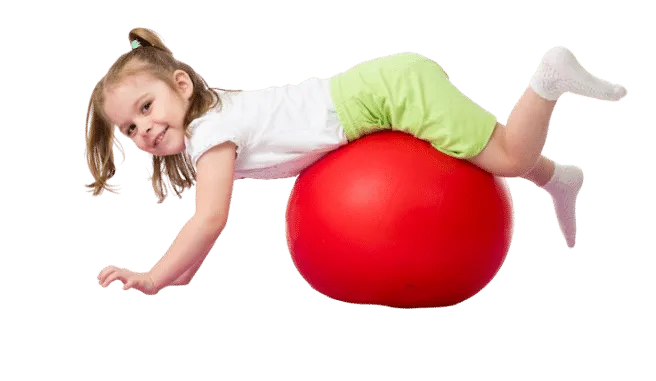
Supporting your child’s coordination, balance, and everyday confidence.
Flower Decoration ImageWe love ndis logo

Understanding Coordination Issues

Does your child, particularly your toddler, frequently trip and come home with bruises? These toddler balance issues may signal something more than just clumsiness. As parents, it’s natural to worry when your child is having difficulty with balance and coordination, especially when these difficulties lead to frequent falls, bumps, and an apparent clumsiness that sets them apart from their peers. Understanding why these balance problems occur and how our physio team can help is crucial in supporting your child’s development and confidence.
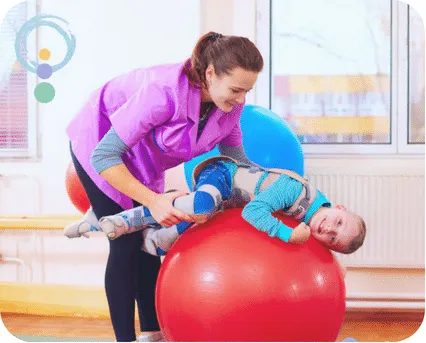
Child playing with a red balloon while receiving assistance, coordination and balance issues

Coordination challenges in children can manifest as difficulty in performing tasks that require fine and gross motor skills. This might include trouble with activities like running, jumping, catching a ball, or even simple tasks like buttoning a shirt or holding a pencil. These difficulties can be attributed to several factors, including developmental delays, underlying medical conditions, or even lack of physical activity and practice

Why Difficulty With Balance and Coordination Happens

Children develop motor skills at different rates, and what might seem like clumsiness can often be a part of their normal growth. However, persistent issues with balance and coordination may indicate an underlying developmental coordination disorder (DCD) or other conditions affecting their motor skills. DCD, also known as dyspraxia, is a condition where a child’s motor coordination is below what is expected for their age, making everyday tasks challenging. Other factors that might contribute to poor balance and clumsiness include:

Muscle Weakness:
Low strength can make movement control and balance difficult.

vertical stick

 Sensory Processing Disorders:
Difficulty processing sensory input can affect coordination and balance.

vertical stick

Neurological Conditions:
Disorders like cerebral palsy or Fragile X can affect motor skills and coordination.

So... What Do I Do?

If you notice your child struggling with balance problems and clumsiness, it’s important to seek professional help to address these issues early. Paediatric physiotherapy can be highly effective in improving coordination and balance, helping your child gain confidence and independence. For children experiencing ongoing coordination or balance issues, clinical guidelines now advocate structured, goal-directed movements such as balance exercises and core-strength training over generic stretching. A recent study highlights that task-oriented motor-based interventions can meaningfully boost balance and motor function in children with developmental coordination challenges.

How Can Paediatric Physiotherapy Help?
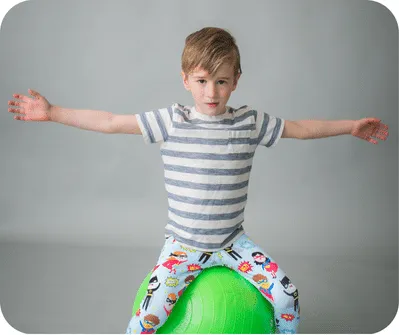
Paediatric physiotherapy plays a vital role in improving balance, coordination and motor confidence. At Leaping Kids, we understand the unique challenges associated with balance disorders and clumsiness. One parent shared that regular physiotherapy sessions with Natasha not only improved their child’s mobility and muscle strength but also kept them highly engaged and excited to attend each week. They felt the combination of our expertise and approachable style made therapy both effective and enjoyable, leading to real progress in their child’s coordination and confidence. 
We work closely with your child to create individualised treatment plans that address their specific needs. Therapy sessions often include:

Balance Exercises

Fun activities focused on improving balance, helping your child gain stability.

Coordination Activities

Exercises that improve hand-eye coordination and fine motor skills.

Strength Training

Building muscle strength to support better control over movements.

Sensory Integration Therapy

Techniques that help your child process and respond to sensory information more effectively.
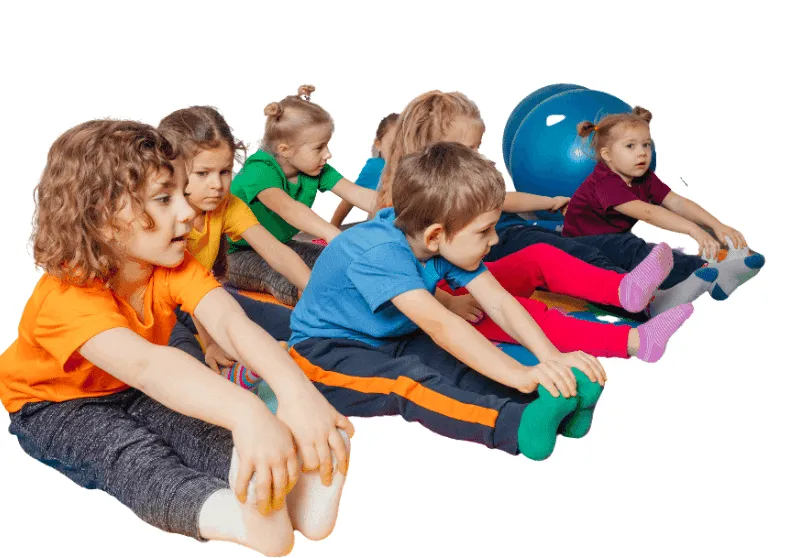
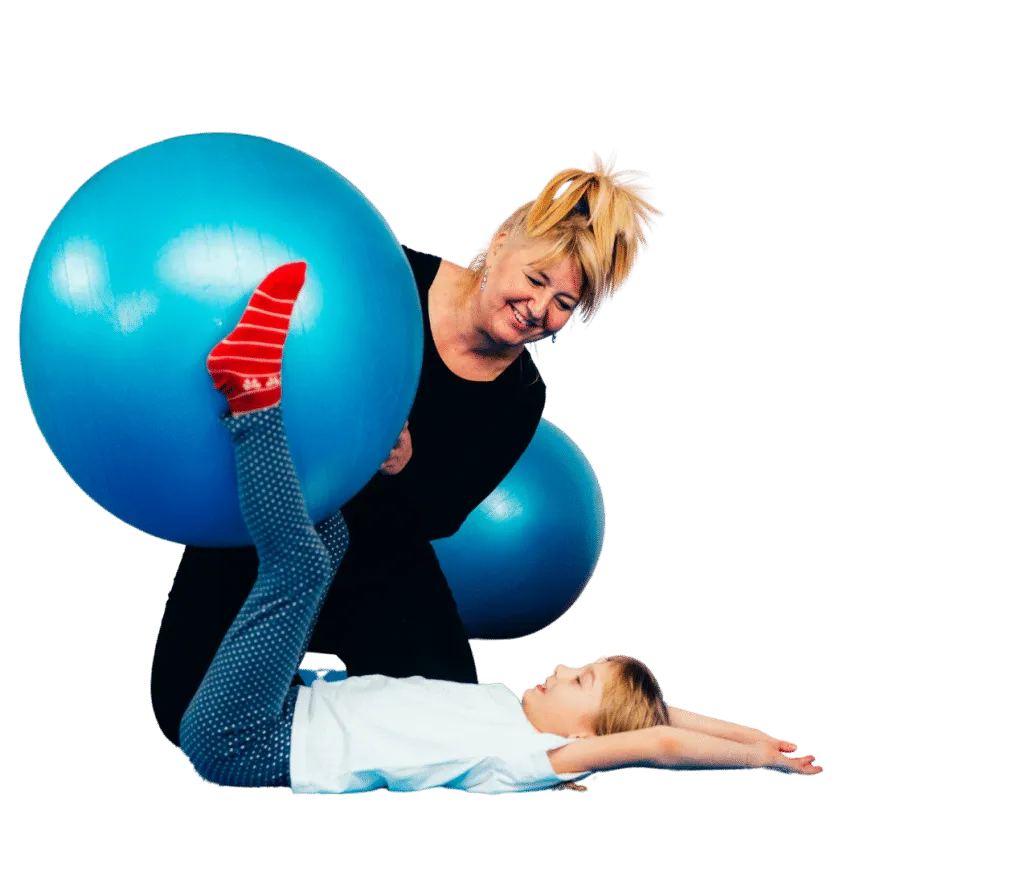
Group of children doing exercises to improve coordination and balance

What a Typical Coordination Exercise Looks Like in Paediatric Physiotherapy

What We Have To Say?

At Leaping Kids, we understand what you’re going through. Seeing your child struggle with coordination and balance can be tough but know that you’re not alone. Natasha, our lead paediatric physiotherapist, holds a Master’s degree in Physiotherapy and a Bachelor of Medical Science. She has extensive experience supporting children with coordination and balance difficulties, using a play-based approach that makes therapy effective, engaging, and confidence-building. Our team is dedicated to helping your child overcome these challenges and thrive. Together, we can make a difference in your child’s life.

Natasha Avatar

Natasha ardiles

B.Med.Sc. M.Phty
Black Spiral Image
Disability Expertise, Personalised Care

Why Families Choose Leaping Kids

Finding the right physiotherapist for your child isn’t just about treatment. It’s about trust. At Leaping Kids, we take the time to truly understand your child’s strengths, challenges and goals, creating a plan that feels personal and full of care.

Whether your little one needs help with balance, coordination, recovery or confidence, our therapy is always gentle, effective and guided by play. Every session is designed to support not just your child’s growth, but your family’s peace of mind.

We’re based in Sydney and make physiotherapy simple, flexible and family-friendly — offering home, school or clinic sessions that fit your schedule. With Leaping Kids, you’ll have a partner who celebrates progress with you, every step of the way.

Get in Touch

You want to chat with leaping kids ?

Calendar Icon

Schedule Your Assessment

learn about leaping kids and how it can provide the help you need for your child
Call Button

Call Us Now

Ready To Get Started? GIve Us A Call Today!
Call Button
Call Button
Decoration Image