
Early Infant Development: Physiotherapy for Infants of 0–22 Weeks Old



Understanding Devlopmental Delays and ASD
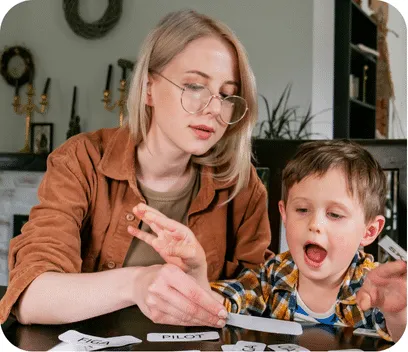
Autism Spectrum Disorder (ASD) is a developmental condition that affects communication, social interaction, and behaviour. Children may struggle with eye contact, social cues, repetitive behaviours, or sensory sensitivities. Since ASD varies widely, recognising early signs and understanding your child’s needs is key. With early support, children can build important skills and confidence.
Why is Physio Important for Infant Development
Early intervention is crucial for infants and toddlers at risk of developmental delay or Autism Spectrum Disorder (ASD). The first few years of life are a critical period for brain development, and timely support can make a significant difference in a child’s long-term progress. But why exactly is early intervention so essential? Evidence speaks that structured early motor interventions during an infant’s first year can significantly boost gross motor development in infants at risk of delay.
These findings underscore the importance of early physiotherapy and its alignment with the infant brain’s plasticity in shaping long-term progress. During these formative years, the brain is highly plastic, meaning it has the ability to adapt and reorganise itself in response to new experiences. Providing targeted therapy for your toddler during this window can enhance cognitive, motor, and social skills, setting the foundation for future learning and development.
How Can You Identify If Your Child Is At Risk?
Identifying potential developmental delays or signs of ASD early on can be challenging, but there are some key indicators of infant development to watch for. Parents often wonder, “What should I look for?” Infants and toddlers at risk may exhibit delayed milestones such as not sitting, crawling, or walking at expected ages. They might also show limited interest in social interactions, have difficulty making eye contact, or display repetitive behaviours. If you notice any of these signs, it’s important to seek a professional evaluation to determine if your child may benefit from early intervention services.
How Physiotherapy Supports Your toddler’s Development
Physiotherapy for infants not only addresse immediate motor skill challenges but also lays the groundwork for future learning and participation in daily life. By strengthening core muscles, improving balance, and refining coordination, infants are better equipped to explore their environment with confidence. These gains often translate into smoother transitions into preschool and social activities, where movement and interaction are essential. Early therapy also helps prevent secondary issues, such as poor posture or reduced mobility, that can arise when delays go unaddressed.
Improves Muscle Strength
Strengthening weak muscles helps children sit, crawl, stand, and move with more confidence and control.
Enhances Balance and Coordination
Exercises target balance and coordination, making everyday tasks like walking, climbing, and playing easier and safer.
Supports Gross and Fine Motor Skills
Therapy builds skills for big movements (like running) and small ones (like grasping toys), which are essential for daily activities.
Encourages Sensory Integration
Activities help children better process and respond to sensory input, which is often a challenge for those with ASD.
Why Choose Leaping Kids for Infant and Toddler Physiotherapy?
Mobile Services
We bring expert care directly to your home or your child’s school, providing convenience and flexibility.
Familiar Environment
Conducting therapy in a familiar setting helps your child feel comfortable promoting better outcomes.
Experienced Team
Our paediatric physiotherapists have extensive experience and are dedicated to providing personalised care.
Tailored Therapy
We develop customised therapy plans that address your child’s specific needs, focusing on measurable outcomes.
What We Have To Say?
We know that caring for a child with developmental challenges can be emotionally and physically demanding. Natasha Ardiles, our lead physiotherapist, holds a Bachelor of Medical Science and a Master of Physiotherapy. Based in Sydney, she is a certified and highly experienced paediatric physio dedicated to supporting infants and young children, especially those at risk of developmental delays or ASD, with compassionate, skilled care.
It’s natural to focus all your energy on your child’s needs, but remember, taking care of yourself is equally important. Your well-being directly affects your ability to support and nurture your child. Make sure to find time for yourself, seek support when needed, and stay connected with loved ones. By looking after your own health and well-being, you can better provide the strength and care your child needs. Remember, you are not alone on this journey. We are here to support both you and your child, offering compassion and understanding every step of the way.

Natasha ardiles
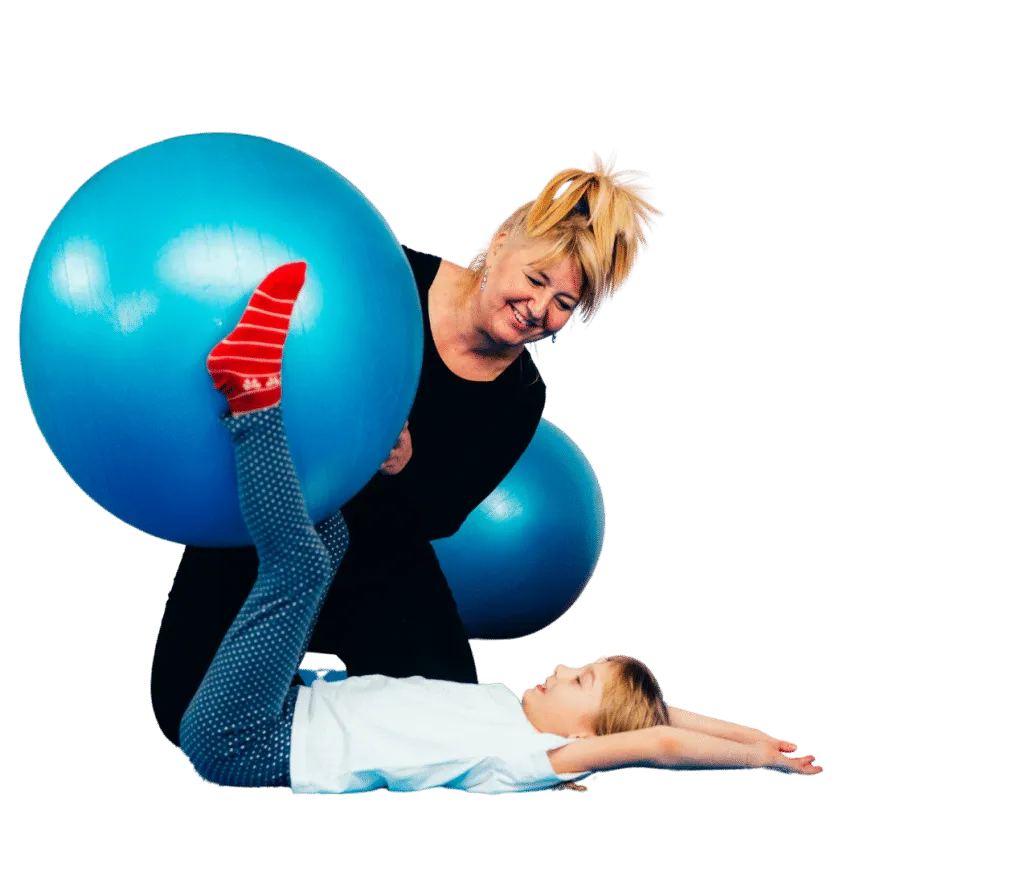

Why Families Choose Leaping Kids
Finding the right physiotherapist for your child isn’t just about treatment. It’s about trust. At Leaping Kids, we take the time to truly understand your child’s strengths, challenges and goals, creating a plan that feels personal and full of care.
Whether your little one needs help with balance, coordination, recovery or confidence, our therapy is always gentle, effective and guided by play. Every session is designed to support not just your child’s growth, but your family’s peace of mind.
We’re based in Sydney and make physiotherapy simple, flexible and family-friendly — offering home, school or clinic sessions that fit your schedule. With Leaping Kids, you’ll have a partner who celebrates progress with you, every step of the way.
You want to chat with leaping kids ?

Schedule Your Assessment

