
Physiotherapy for Down Syndrome


How Down Syndrome Affects Your Child’s Development
The Role of Physiotherapy for Down Syndrome
Physiotherapy provides targeted support to address the common physical challenges children with Down syndrome experience. By focusing on movement, strength, and coordination, physiotherapists help children develop the skills they need for daily life: walking, climbing stairs, joining in play, and participating in school.
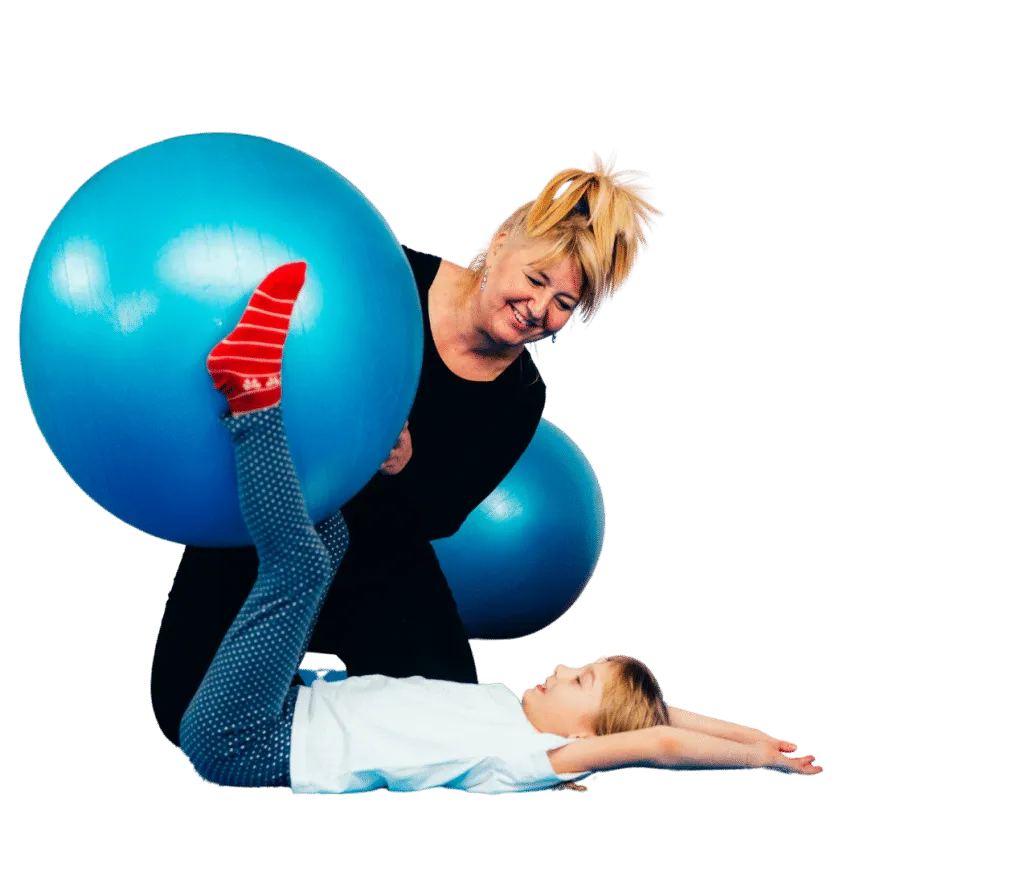
At Leaping Kids, our approach is family-centred and play-based. Sessions are designed to be fun and engaging, so children see therapy not as treatment but as an enjoyable part of their day.
Common Challenges in Down Syndrome
Children with Down syndrome share a movement profile that shapes how therapy is planned:
- Low muscle tone and joint hypermobility make joints harder to stabilise, leading to slower, wider-based walking and reduced push-off.
- Delayed milestones are typical, with independent walking often a year later than peers due to balance challenges.
- Characteristic gait and posture may include wide step width, outward foot progression, knee hyperextension or valgus, and reduced walking speed, which increase energy cost.
- Foot and knee alignment problems such as flexible flat feet and patellar instability are common, affecting balance, endurance, and confidence.
- Cervical spine safety is a concern in a small proportion. We screen for warning signs like neck pain or new gait changes and adapt activities when needed.
- Cardiorespiratory considerations matter, since many children have congenital heart disease or sleep apnoea, which can reduce energy and endurance.
How Physiotherapy Supports Daily Function
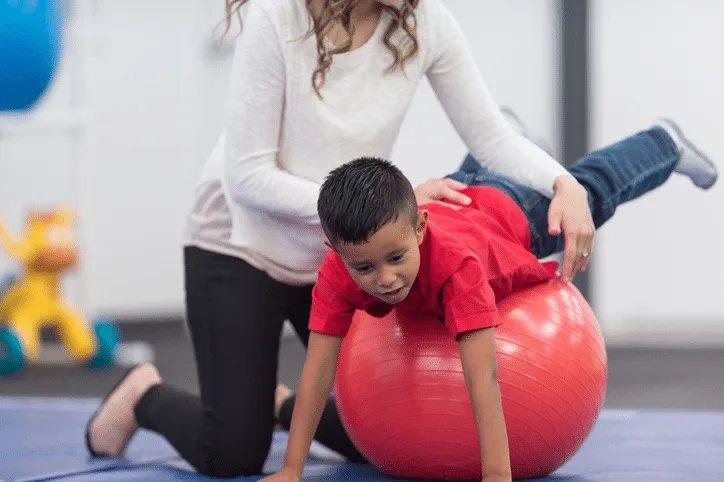
Early mobility
Parent-delivered treadmill stepping can bring forward walking age and improve gait quality. Frequent practice of transitions, sit-to-stand, and cruising builds balance, the main limiter to walking.
Foot and knee stability
Supramalleolar or foot orthoses may be trialled if foot collapse limits standing or walking. These are always paired with strengthening.
Strength and endurance
Progressive resistance training is safe and improves lower-limb strength for stairs and running. Aerobic play and obstacle courses build stamina without over-fatigue.
Motor learning strategies
Many children respond best to simple cues, repetition, and lots of practice of the target skill.
Safety and coordination
Therapy is adjusted around cardiac conditions, hypotonia, or neck symptoms, with input from medical teams when needed.
The Importance of Early Intervention
How We Support Your Child & Family

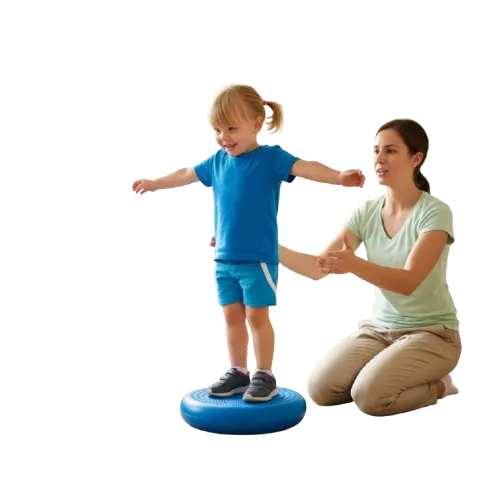
A play-based approach that keeps therapy enjoyable.
Family-centred care, making sure parents and caregivers are confident to continue exercises at home.
Using targeted exercises to build your child’s muscle strength and motor skills.
Incorporating fun activities that develop balance and overall physical control.
What to Expect from Our Therapy
Infants and toddlers:
- Short, frequent sessions focused on balance, transitions, and early strength.
- Treadmill stepping and trunk/hip exercises when ready.
- Early orthosis trials only if foot collapse limits practice.

Preschool and early primary:
- Gait drills to narrow base, straighten foot progression, and improve push-off.
- Balance circuits for stairs, playgrounds, and curbs.
- Introduction of progressive resistance for calves, quadriceps, and hips.
Older children and teens:
- Structured strength training twice weekly, paired with aerobic sessions.
- Endurance goals such as cycling or community walks, paced for fatigue.
- Regular review of orthoses and footwear.
Across all ages:
- Ongoing screening for neck symptoms, new gait changes, or unusual fatigue.
- Clear, achievable home programs with reps and progressions.
- Regular outcome measures, such as stair performance, walking distance, and balance scales.
Our Approach to Paediatric Physiotherapy
01
Individual Care
02
Family Involvement
03
Evidence-Based Practices
04
Play-Based Therapy
05
Holistic Approach

Why choose leaping Kids?
We understand the unique challenges faced by children with Down syndrome and their families. Our physiotherapists are caring, experienced, and committed to making therapy both effective and enjoyable. Natasha, our lead physio, holds a Master’s degree in Physiotherapy and a Bachelor of Medical Science, and has extensive experience as a paediatric physiotherapist. She works closely with children with disabilities as well as those with general developmental challenges, providing specialised care tailored to each child’s unique journey.
With mobile services across Sydney, we make it easier for families to access consistent, high-quality physiotherapy in the places children feel most comfortable.
You want to chat with leaping kids ?

Schedule Your Assessment

