It’s not unusual for toddlers to walk on their toes when they first learn to walk. For some children, however, toe walking continues well beyond the early years and may raise concerns for parents. While occasional toe walking can be part of typical development, persistent patterns can point to underlying issues that benefit from professional support.
This is where toe walking physiotherapy plays an important role. At Leaping Kids, we specialise in helping children overcome toe walking through play-centred, evidence-based therapy that builds confidence and independence.
What is Toe Walking in Children?
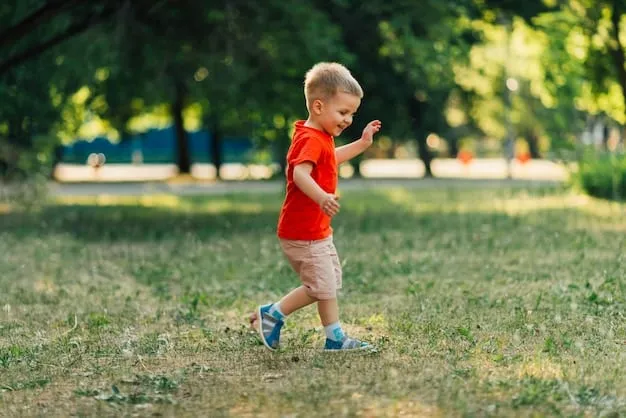
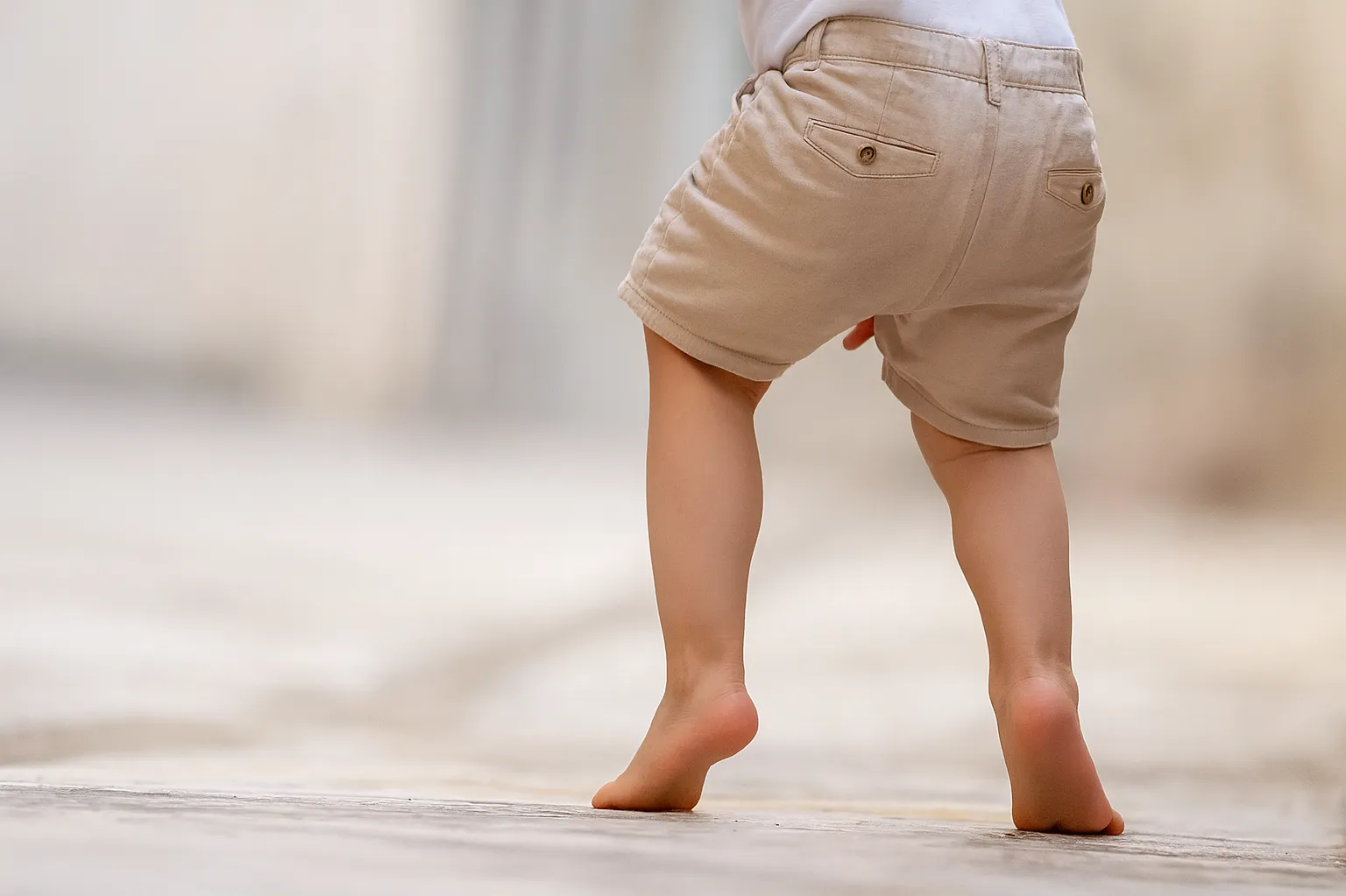
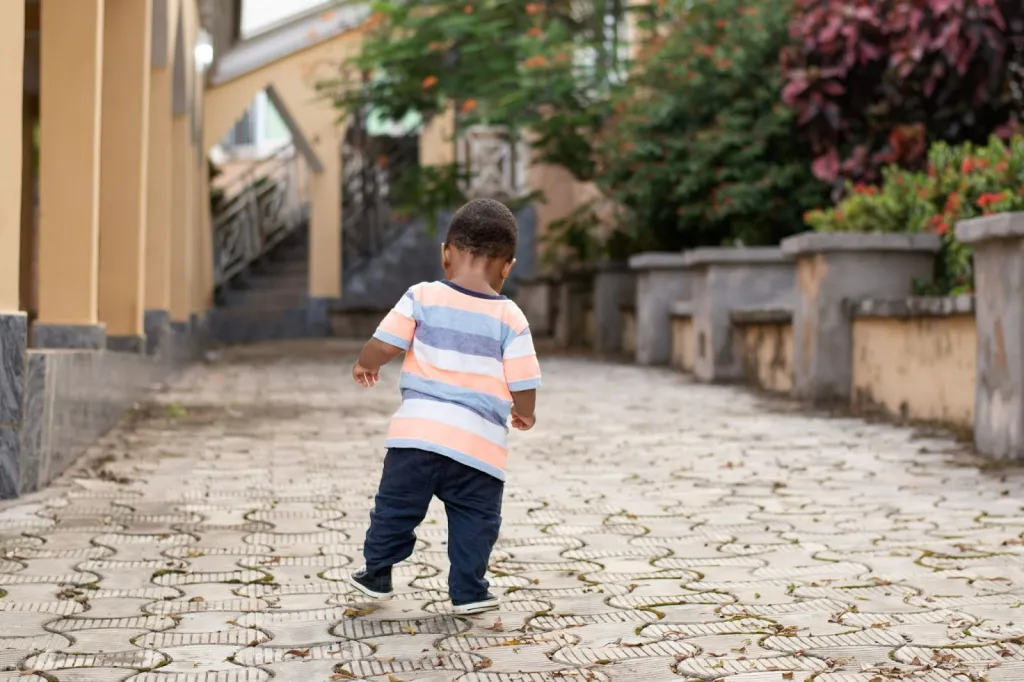
Toe walking in children refers to a walking issue where a child walks on the balls of their feet without their heels touching the ground. Many toddlers go through this phase, and in most cases, it resolves on its own.
If a child continues walking on their toes beyond the age of three, struggles to place their heels down, or shows signs of muscle tightness, it may signal a need for further assessment. That’s when toe walking physiotherapy can provide clarity and effective treatment.
Common Causes of Toe Walking
There are a range of possible reasons for children walking on toes, and understanding the cause is essential for targeted treatment.
Muscle tightness and flexibility issues
Some children develop tight calf muscles or shortened Achilles tendons, which limit their ability to place their heels flat.
Balance and coordination difficulties
Toe walking can sometimes be linked to challenges with coordination and balance or body awareness, leading children to find stability on their toes.
Neurological conditions
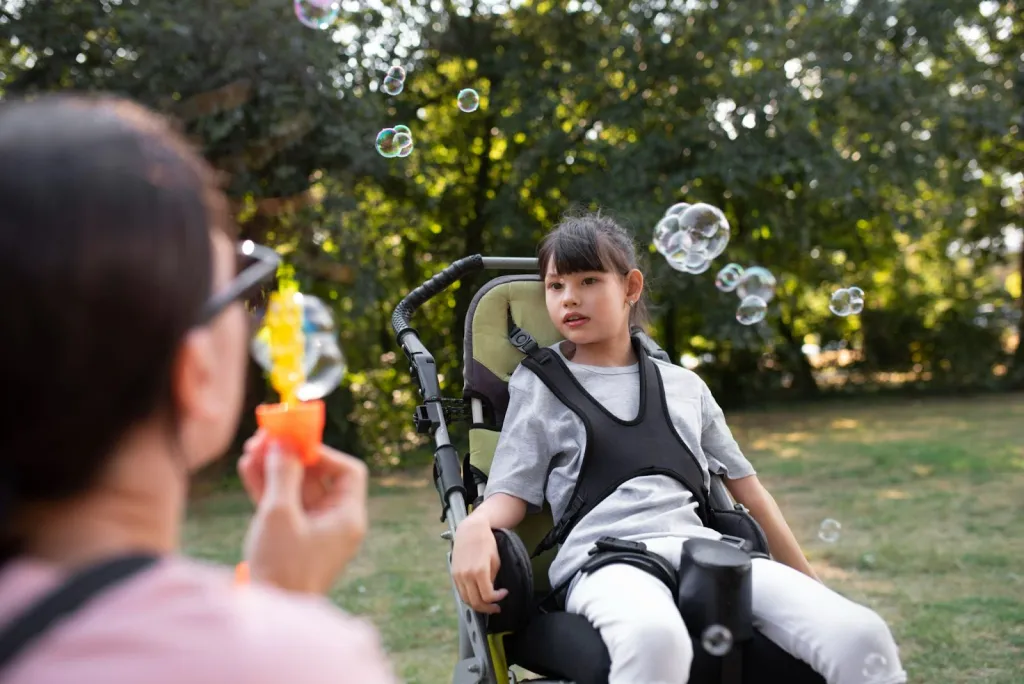
In some cases, toe walking may be associated with neurological conditions such as cerebral palsy or autism spectrum disorder. These children may require long-term, structured toe walking treatment tailored to their needs.
Sensory processing factors
Children with sensory sensitivities may prefer toe walking because it gives them a sense of control or reduces the amount of foot contact with the ground.
For parents looking to understand typical child development milestones, the Raising Children Network provides reliable guidance.
When to Seek Professional Advice for Toe Walking
Not every instance of toe walking requires therapy. However, parents should seek advice if:
- Toe walking persists beyond age three.
- Their child has difficulty keeping heels down, even when asked.
- Toe walking is present most of the time, not just occasionally.
- There are signs of pain, stiffness, or delayed motor skills.
Early paediatric physiotherapy in Sydney can prevent secondary issues like muscle shortening, poor posture, and reduced mobility.
How Paediatric Physiotherapists Assess Toe Walking
A physiotherapy assessment looks beyond the walking pattern itself. At Leaping Kids, we take a holistic view to understand the whole child, not just their gait.
Assessments may include:
- Observing how the child walks, runs, and plays.
- Measuring muscle length, strength, and flexibility.
- Testing balance and coordination skills.
- Looking for any neurological or sensory factors.
- Making the process fun and engaging so children feel comfortable.
This thorough approach ensures that toe walking physiotherapy is targeted to the individual child, rather than applying a one-size-fits-all method.
Evidence-Based Physiotherapy Treatments for Toe Walking
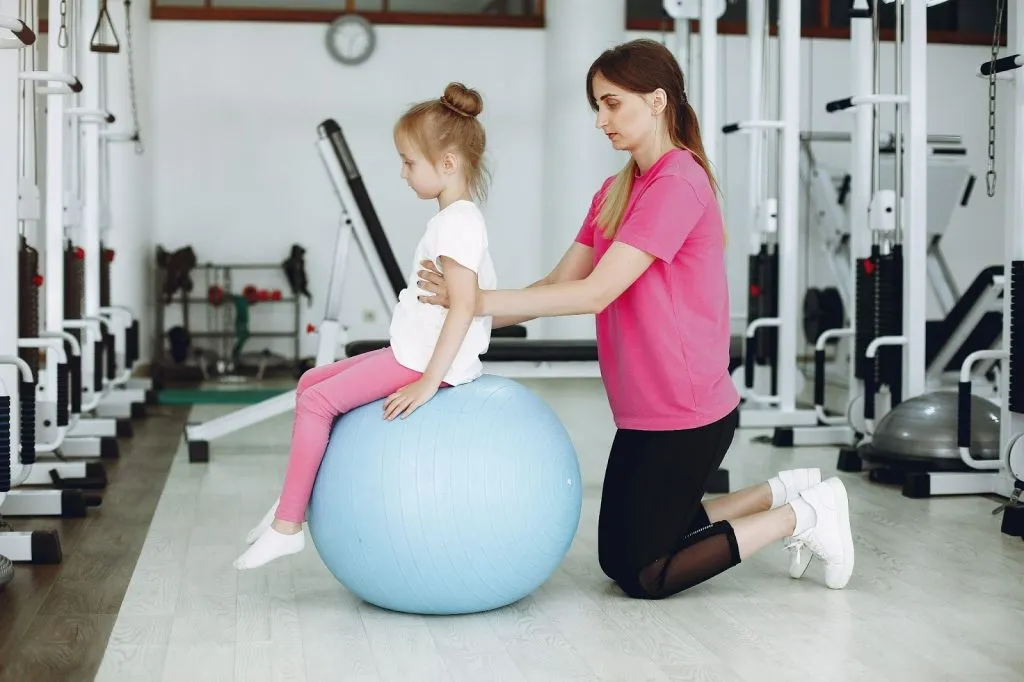
There is no single solution for toe walking. Instead, physiotherapists use a combination of treatments based on the child’s needs. At Leaping Kids, we focus on making therapy playful and interactive, so children stay motivated and enjoy the process.
Stretching and flexibility exercises
Targeted stretches help lengthen tight calf muscles and improve ankle mobility.
Strengthening and core stability work
Strengthening exercises build the muscles around the legs, hips, and core, which are essential for a stable walking pattern.
Balance and coordination training
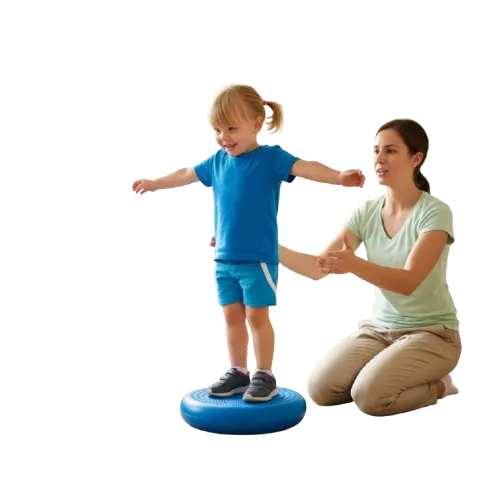
Games and activities that challenge balance help children gain confidence in walking with their heels down.
Play-based exercises
Therapy often looks like fun rather than “treatment”. Activities might include obstacle courses, ball games, or imaginative play designed to reinforce proper walking patterns.
With consistent toe walking physiotherapy, children can gradually shift from walking on their toes to a balanced, natural gait.
Family Involvement and At-Home Strategies
Physiotherapy works best when families are actively involved. Parents play a key role in reinforcing progress between sessions.
Some strategies families can use include:
- Encouraging daily stretching routines in a playful way.
- Incorporating balance games, such as walking along lines or playing hopscotch.
- Prompting children to practise heel-to-toe walking during everyday activities.
- Making exercises part of family playtime to reduce resistance.
At Leaping Kids, we emphasise family engagement because children thrive when therapy continues at home in a natural and supportive way.
How Leaping Kids Supports Families in Sydney
Leaping Kids offers a unique approach to toe walking physiotherapy by meeting children where they feel most comfortable. This could be at home, at school, or in the community.
Our services include:
- NDIS-funded physiotherapy sessions.
- Mobile, in-home therapy across Sydney.
- School-based support, helping children integrate therapy into their daily routine.
- Tailored programs designed specifically for each child’s developmental and neurological needs.
By combining professional expertise with flexible delivery, we make therapy accessible and effective for every family.
Early Physiotherapy Intervention Builds Confidence and Independence
Addressing toe walking early has long-term benefits. Children who receive timely intervention often experience improvements in mobility, strength, and independence. They also gain confidence as they participate more fully in everyday activities without the limitations of toe walking.
Toe walking physiotherapy gives children the tools to overcome physical barriers and helps families feel reassured that progress is possible.
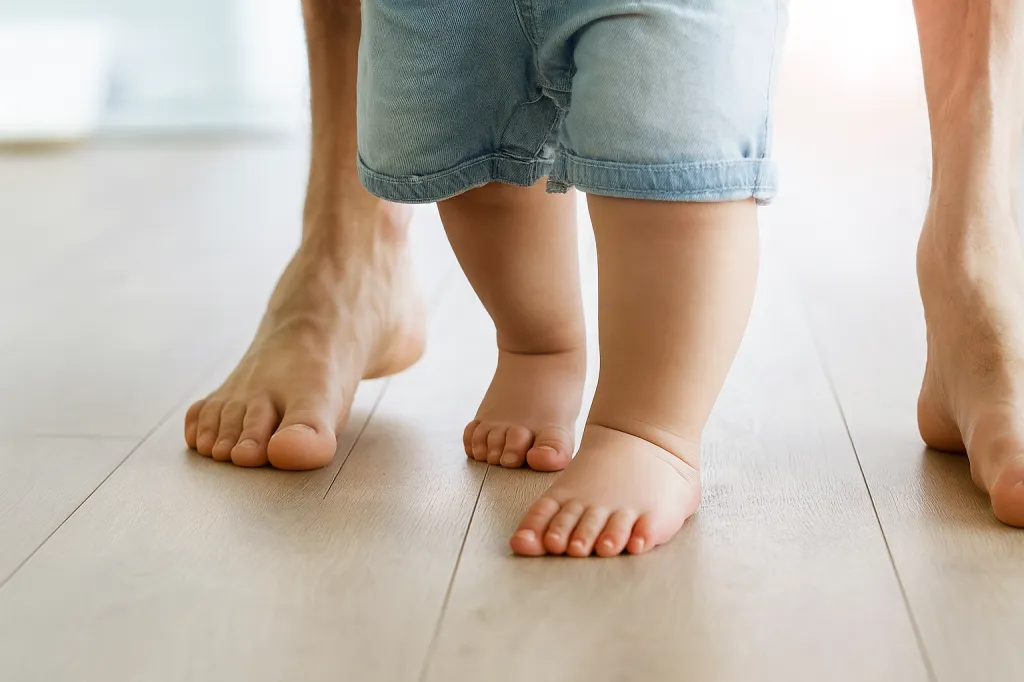
While toe walking can sometimes be a passing phase, persistent patterns often need professional guidance. With early assessment and tailored toe walking physiotherapy, children can improve flexibility, coordination, and confidence in their movement.
At Leaping Kids, we provide evidence-based, play-centred therapy across Sydney, supported by NDIS funding and delivered in homes, schools, and community settings. If you’re concerned about your child’s walking, seeking help early can make a lasting difference.