
When a child is diagnosed with muscular dystrophy, parents are often faced with a wave of uncertainty. Questions about their child’s future, mobility, and independence come quickly. While muscular dystrophy is a progressive condition, there are many ways families can find hope and practical help. At Leaping Kids, we specialise in providing muscular dystrophy support through evidence-based, play-centred physiotherapy. Our Sydney team works directly with families in homes, schools, and community settings, making therapy a natural part of daily life.
This article explains muscular dystrophy in simple terms, explores how physiotherapy can help, and provides clear guidance on mobility aids, family resilience, emerging research, and NDIS-funded support.
What is Muscular Dystrophy?
Muscular dystrophy (MD) is not a single condition but a group of genetic disorders that cause progressive muscle weakness. Over time, muscles may lose strength, making movement, balance, and everyday activities harder.
In childhood, the most common type is Duchenne muscular dystrophy (DMD), which mainly affects boys and usually appears between ages 2 and 5. Becker muscular dystrophy is a milder form, often diagnosed later in childhood or adolescence. Congenital muscular dystrophy is another type, present at birth or within the first months of life.

While the condition is lifelong, children with muscular dystrophy can thrive with the right care and ongoing muscular dystrophy support.
The Role of Physiotherapy in Muscular Dystrophy Support
Physiotherapy plays a central role in muscular dystrophy support because it helps children maintain mobility, build strength, and delay secondary complications like joint stiffness or contractures. The goal is not only to support muscles but also to enhance independence and confidence.
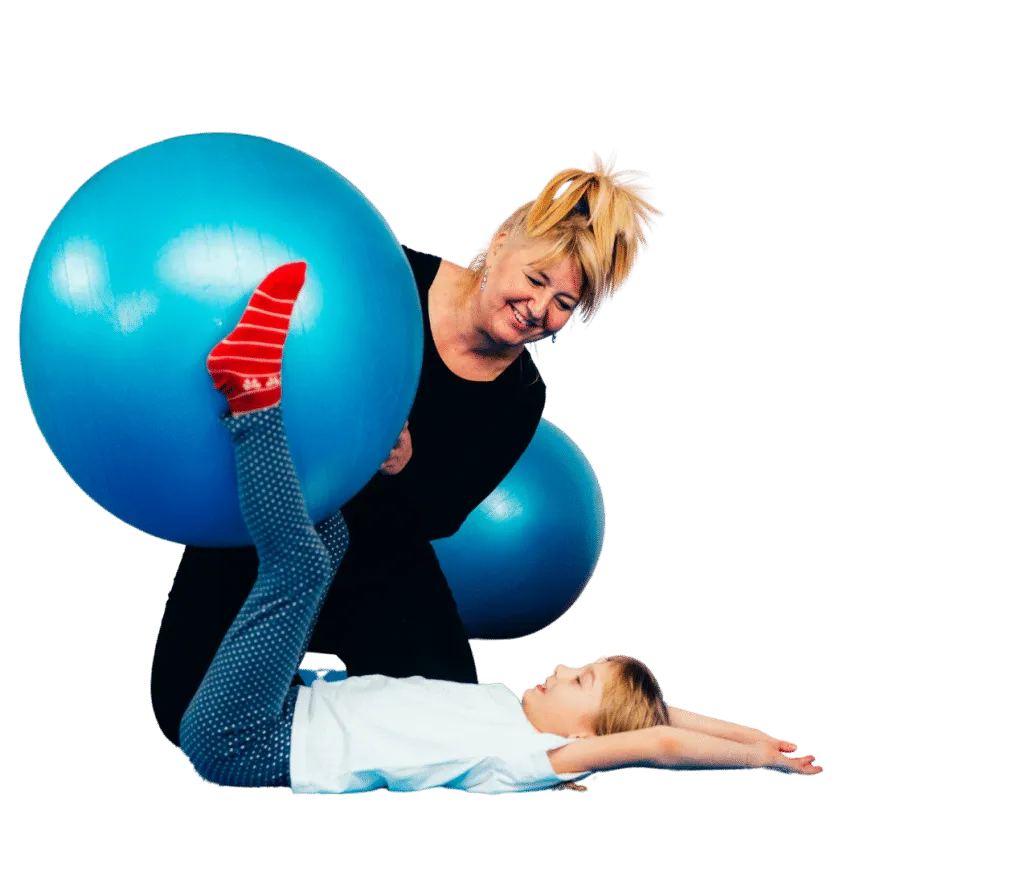
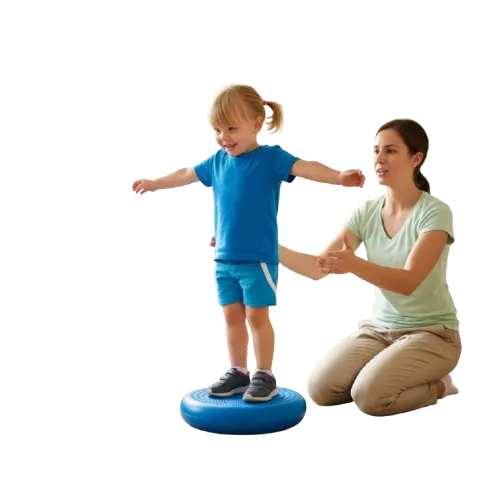
At Leaping Kids, our therapy is tailored to each child’s needs. We use a play-based approach, turning exercises into engaging games that children enjoy. Examples include:
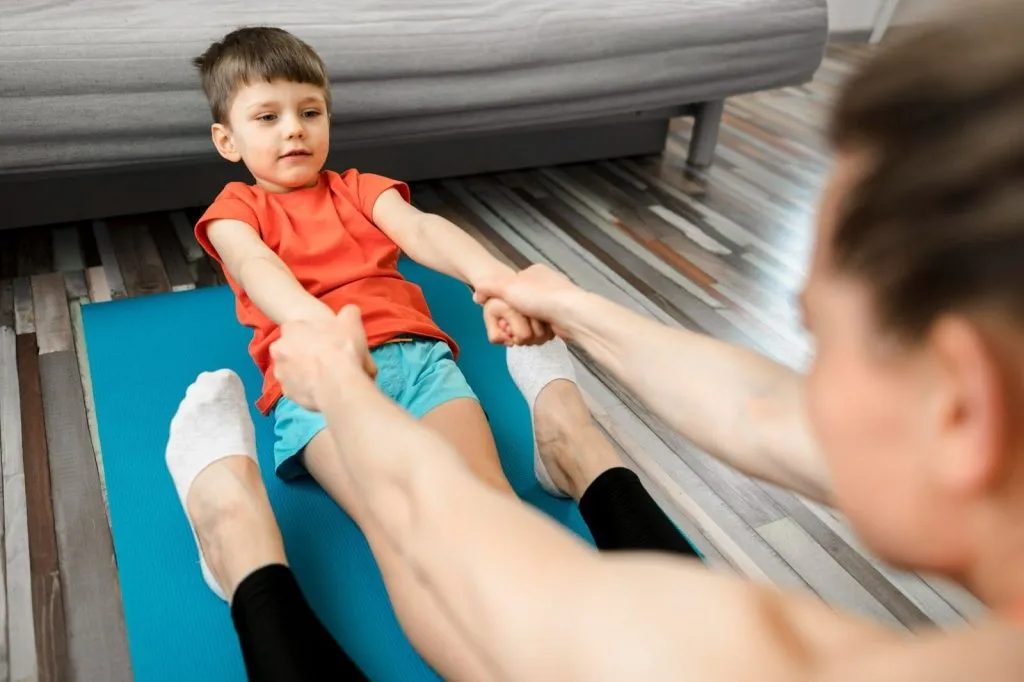
- Play-based stretching: using toys and activities to encourage gentle stretches that keep joints flexible.
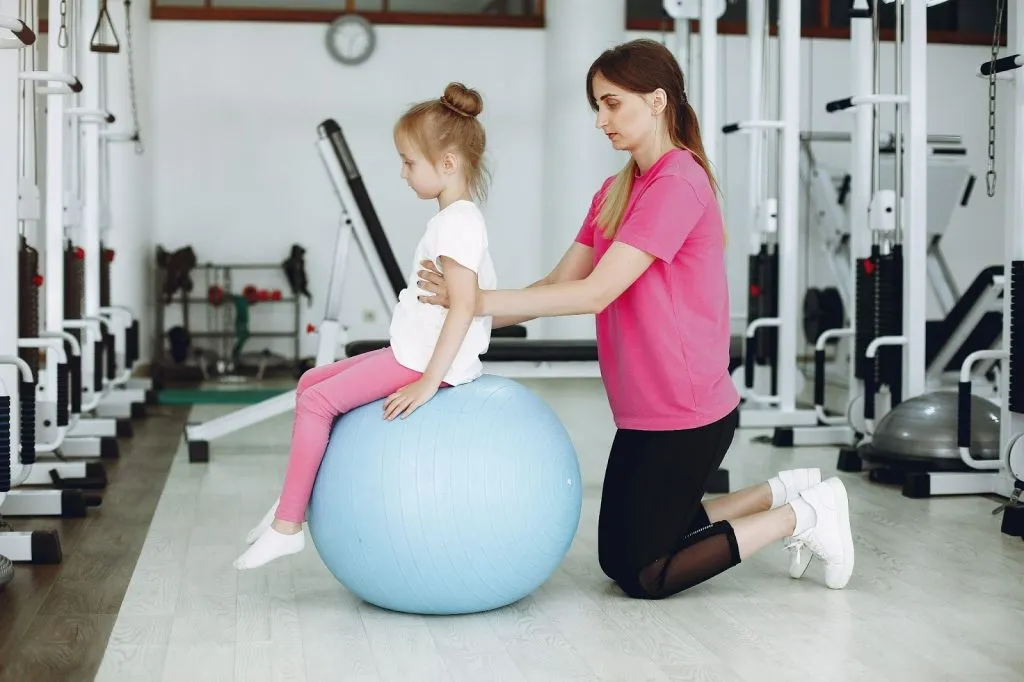
- Strengthening through play: obstacle courses, climbing, and ball games that build muscle control.
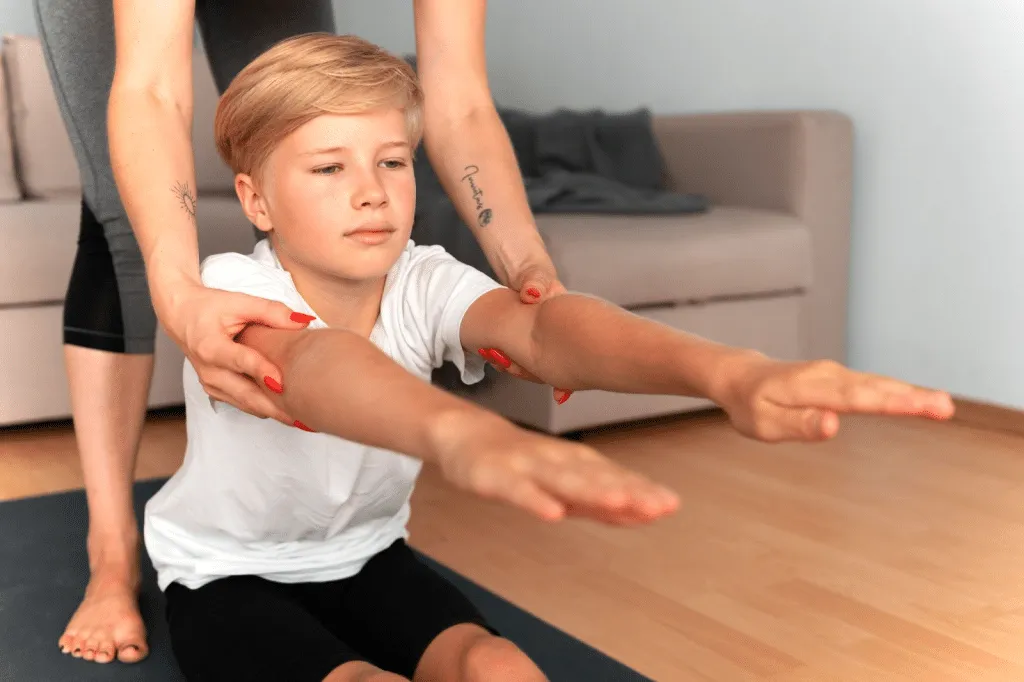
- Functional movement practice: everyday skills such as standing, walking, or reaching incorporated into play scenarios.
Because our team provides mobile and in-home sessions across Sydney, therapy fits into environments where children feel most comfortable. This makes physiotherapy for muscular dystrophy more natural and less stressful for families.
Mobility Aids and Practical Adaptations
As muscular dystrophy progresses, many children benefit from mobility aids. These can include walkers, orthotics, or wheelchairs, all of which help children participate fully in school and community life.
Practical adaptations also make a big difference. At home, ramps, non-slip flooring, or modified bathrooms can promote independence. In schools, simple changes such as classroom seating adjustments or access to assistive technology ensure inclusion.
Our physiotherapists work alongside families and educators to recommend and implement these supports. This practical aspect of muscular dystrophy support is key to maintaining a child’s participation and confidence in daily activities.
Supporting Families and Building Emotional Resilience
Muscular dystrophy affects more than just the child; it impacts the whole family. Parents may feel overwhelmed by medical appointments, funding applications, and emotional strain.
Part of effective muscular dystrophy support is ensuring families are informed and connected. Peer support groups and community networks provide valuable reassurance and advice from those who have walked a similar path. Emotional resilience is also strengthened when families feel supported and equipped with clear strategies.
Reliable resources, such as Healthdirect’s information on muscular dystrophy support in Australia, can help families access trustworthy, practical guidance.
At Leaping Kids, we encourage parents to be part of the therapy process, building confidence to carry out exercises at home and empowering families to be active participants in their child’s progress.
Latest Research and Emerging Therapies
Although there is currently no cure for muscular dystrophy, research continues to advance. Gene therapies and new drug trials are offering hope for slowing progression or improving muscle function. Clinical trials are underway globally, and families often look to these developments for reassurance that the future may bring new options.
It is important, however, to combine hope with practical action. Physiotherapy remains a cornerstone of care, supporting children now while research moves forward. At Leaping Kids, our approach to muscular dystrophy support ensures children stay as mobile and independent as possible, preparing them to benefit from future therapies.
Accessing NDIS-Funded Physiotherapy with Leaping Kids
The National Disability Insurance Scheme (NDIS) provides funding for children with muscular dystrophy to access therapies and supports that build functional capacity. This includes physiotherapy, mobility aids, and home or school modifications.
Navigating NDIS paperwork and assessments can feel daunting. Our team at Leaping Kids helps families through the process, ensuring therapy goals are clearly outlined and aligned with NDIS requirements. Because we are Sydney-based and mobile, we can deliver therapy in the home, school, or community setting, reducing stress for families.
For families seeking NDIS physiotherapy support for muscular dystrophy, partnering with an experienced provider like Leaping Kids ensures care is both effective and accessible.
FAQs About Muscular Dystrophy Support
What is the most common type of muscular dystrophy in children?
Duchenne muscular dystrophy is the most common childhood type. It usually appears between ages 2 and 5 and progresses over time.
How can physiotherapy help children with muscular dystrophy?
Physiotherapy supports mobility, prevents stiffness, and builds independence. At Leaping Kids, we use play-based strategies so therapy feels natural and engaging.
Can the NDIS cover muscular dystrophy support?
Yes, children with muscular dystrophy are eligible for NDIS funding, which can cover physiotherapy, mobility aids, and home or school modifications.
What mobility aids are helpful for children with muscular dystrophy?
Depending on the child’s needs, aids may include walkers, orthotics, or wheelchairs, all designed to promote participation and independence.
How can families support their child emotionally?
Encouraging independence, connecting with support networks, and working closely with therapists helps build resilience for both the child and the family.
Every child with muscular dystrophy deserves the chance to play, learn, and grow with confidence. With the right mix of physiotherapy, mobility aids, family support, and access to NDIS funding, children can achieve greater independence and resilience.
If you are seeking trusted muscular dystrophy support in Sydney, Leaping Kids is here to guide you. Contact our paediatric physiotherapists today to explore personalised, evidence-based support tailored to your child’s needs.