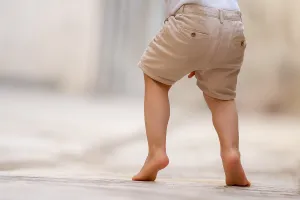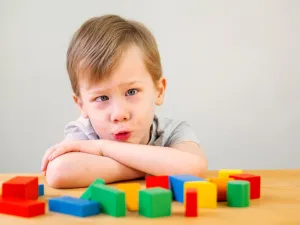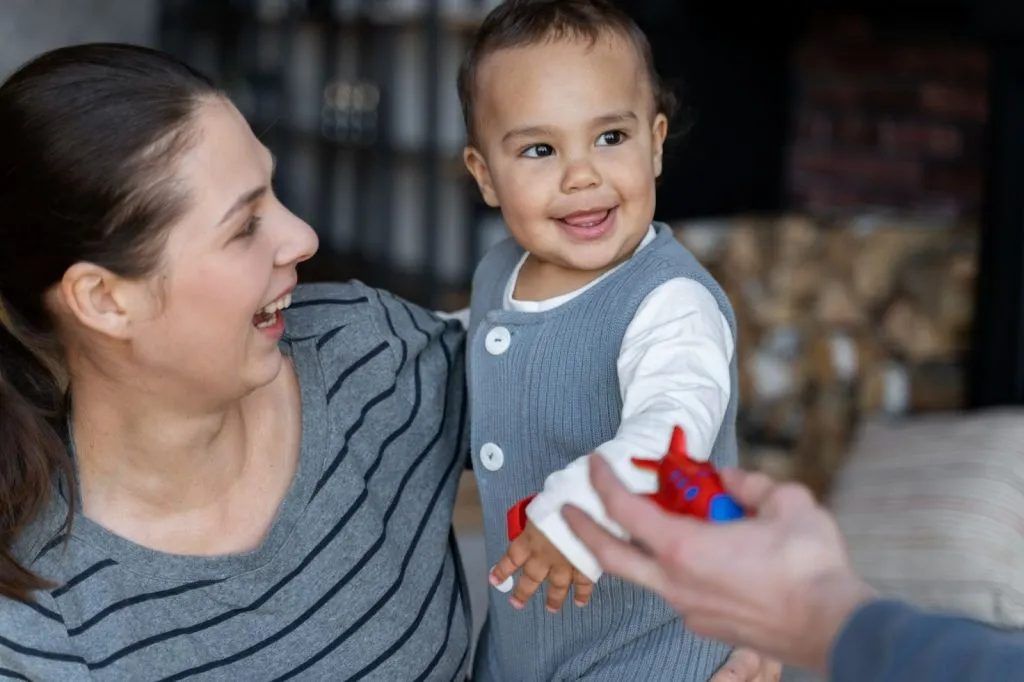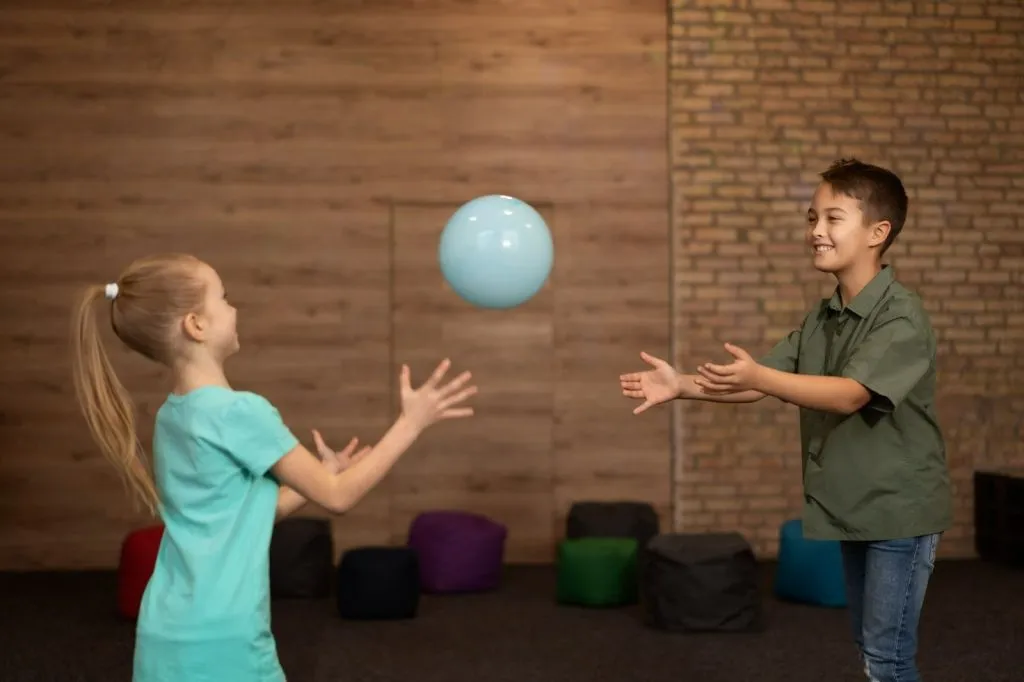
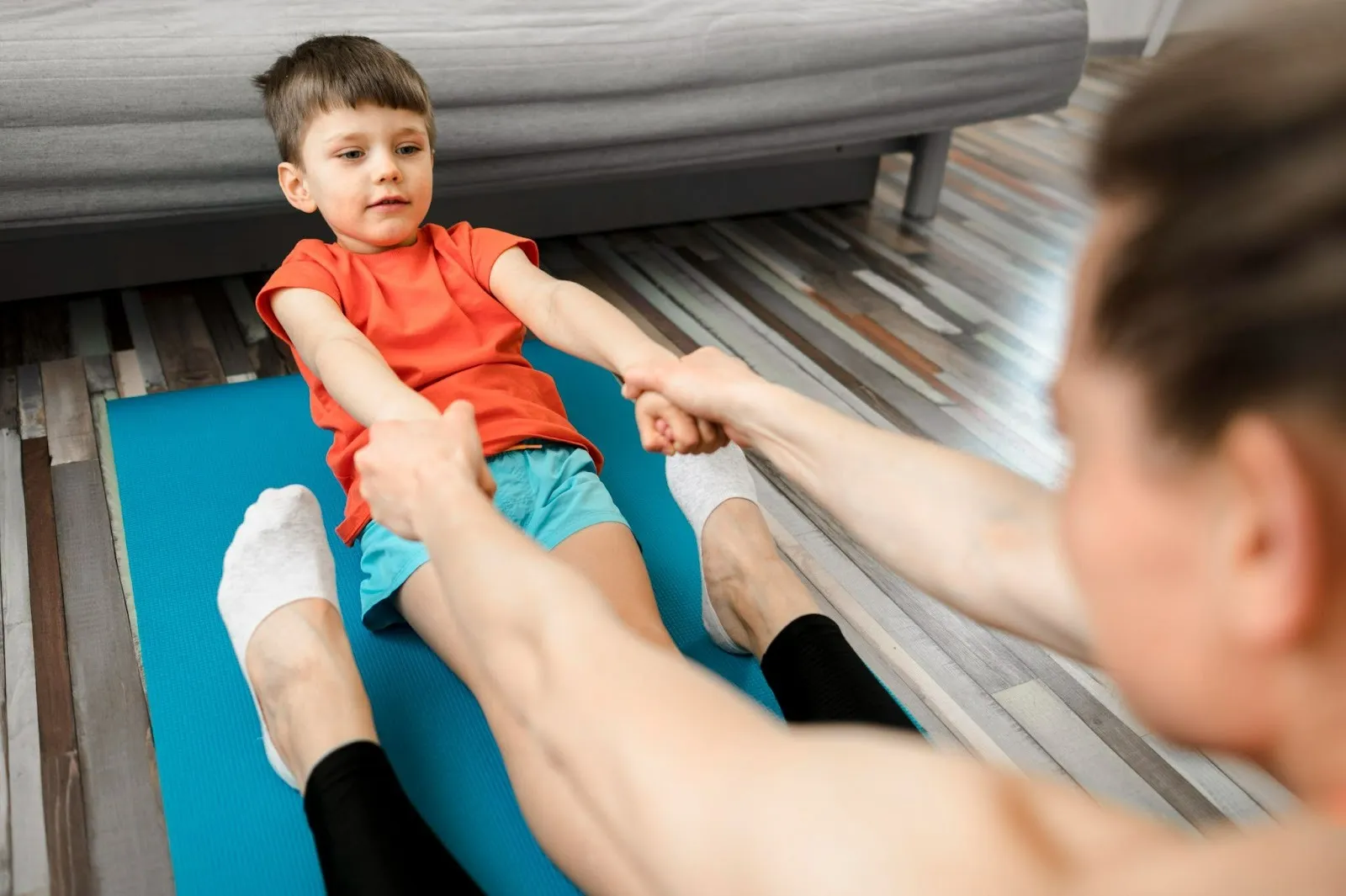
When children bounce a ball, climb over cushions or explore a sensory game, they’re doing far more than “just playing”. At its core, play based learning in early childhood is a powerful, evidence-supported approach where movement, exploration and joyful interaction help build physical, cognitive and emotional skills. At Leaping Kids, based in Sydney and led by physiotherapist Natasha Ardiles (B.Med.Sc., M.Phty), we integrate play into every session, whether at home, in-school or via mobile visits, so that therapy is not only effective but meaningful and fun.
This article will walk you through what play-based learning in early childhood really means, why it matters, how it supports neuroplasticity and motor development, and how you, as a parent or caregiver, can reinforce it at home.
What Is Play Based Learning in Early Childhood?
Put simply, play-based learning in early childhood refers to opportunities for children to engage actively and imaginatively with people, objects and their environment as they build skills. In Australia, such approaches are central to early childhood frameworks which emphasise children’s agency, curiosity and the integration of thinking, motivation and physical activity.
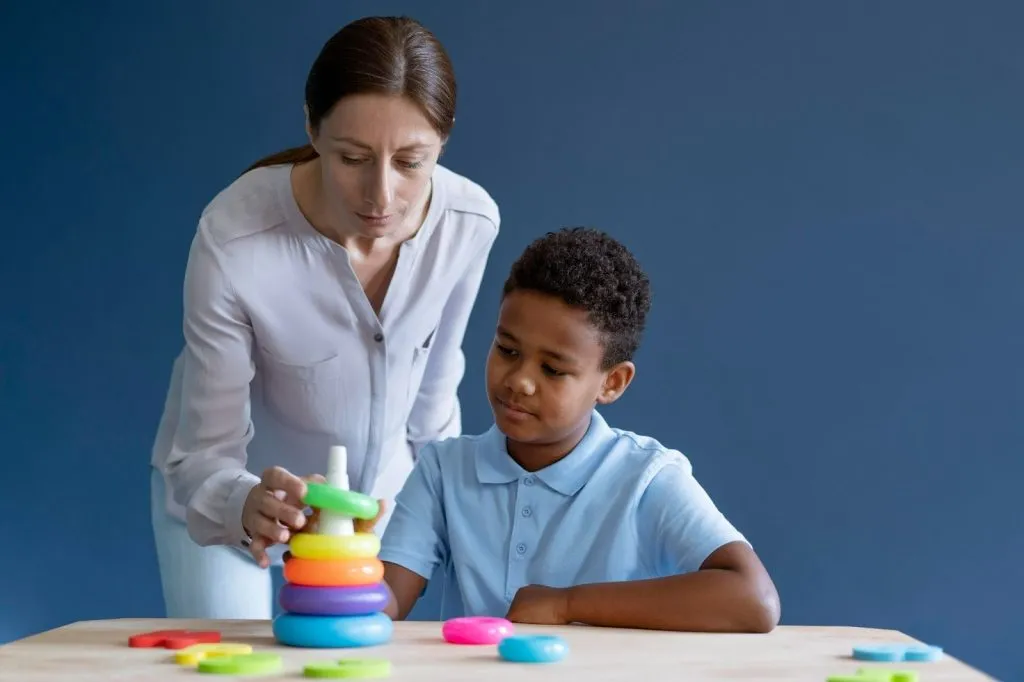
In practice, that might look like a child navigating a small obstacle course, using one block as a stepping-stone, negotiating turns with a sibling, constructing a tunnel out of cushions, all of which become moments of discovery, challenge, movement and coordination. For children with developmental or neurological challenges, using play based learning in early childhood means therapy is embedded into what children naturally love: play, rather than isolating exercise.
The Science Behind Play: How Play Builds the Brain and Body
There is growing research showing how play based learning in early childhood supports essential development across multiple domains. For example, active play that uses large and small muscles, such as climbing, jumping, and digging, supports physical growth, coordination and independence. At the same time, engaged play promotes cognitive skills like problem-solving, attention, language and persistence.
From a neuro-developmental perspective, when children explore, experiment and move, neural pathways are strengthened via experience-driven plasticity. In other words, play based learning in early childhood provides the “exercise” for the brain and the body. Research also shows that guided or intentional play approaches, in which there is some adult scaffolding, tend to produce more consistent results than purely free play.
Importantly, the physical components of play (balance, coordination, bilateral movement) are closely linked with motor control and functional independence. For children navigating developmental or neurological conditions, embedding these movement-rich experiences within play helps make therapy functional, meaningful and fun.
The Role of Play Based Learning in Early Childhood Physiotherapy
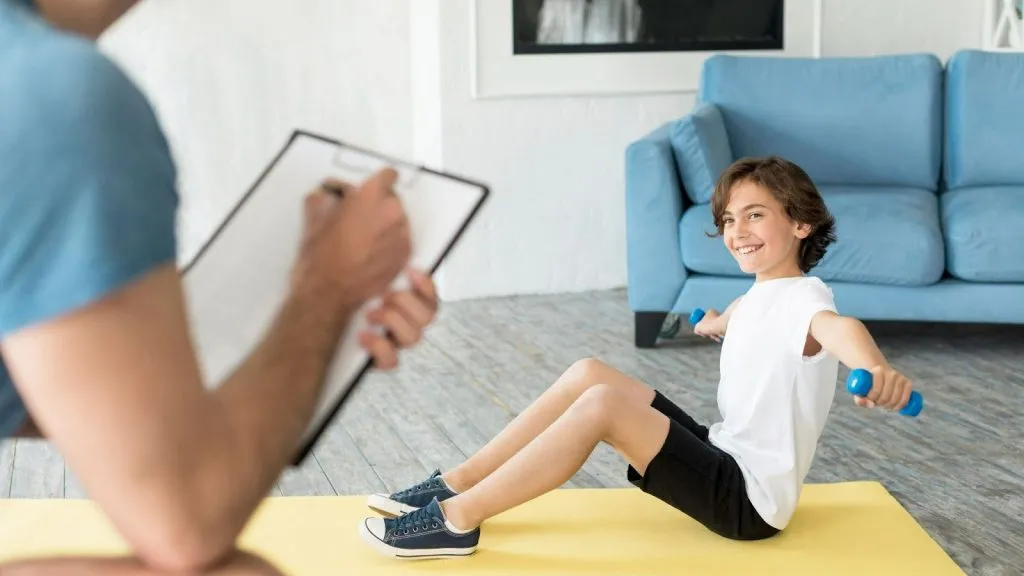
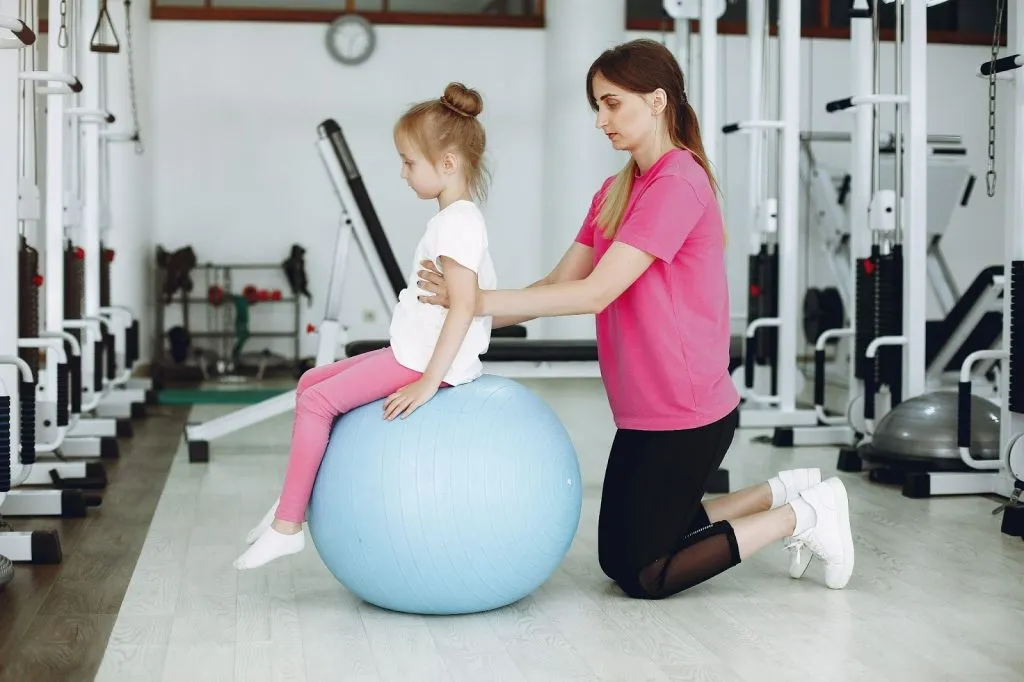
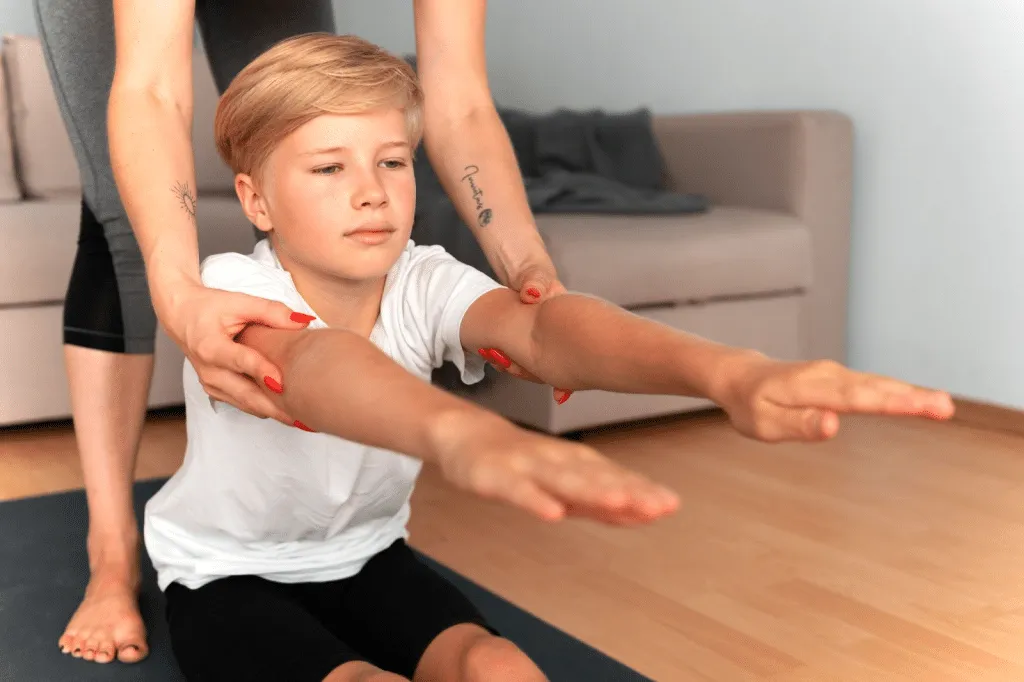
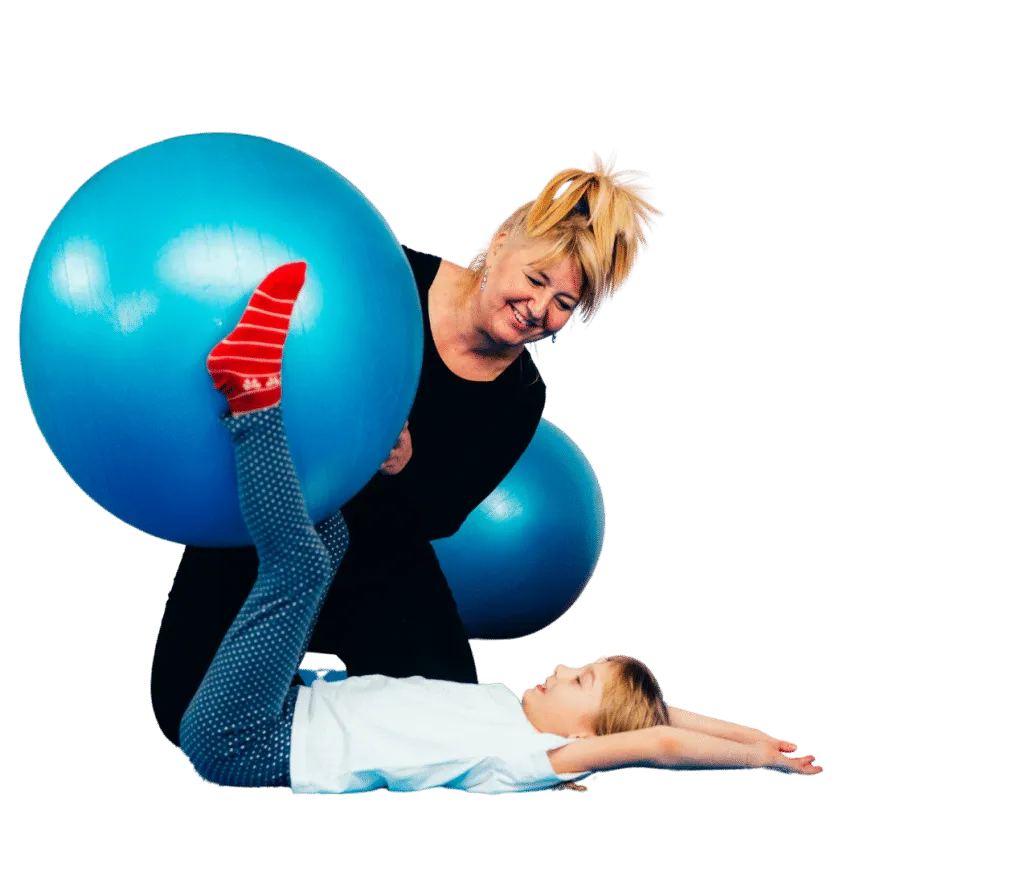
At Leaping Kids, we believe that play based learning in early childhood is not just a nice add-on, it is the foundation of how we deliver paediatric physiotherapy. Rather than ask a child to perform repetitive exercises in isolation, our mobile, in-home and in-school sessions integrate playful movement challenges, tailored to each child’s individual goals (whether coordination, strength, mobility or independence).
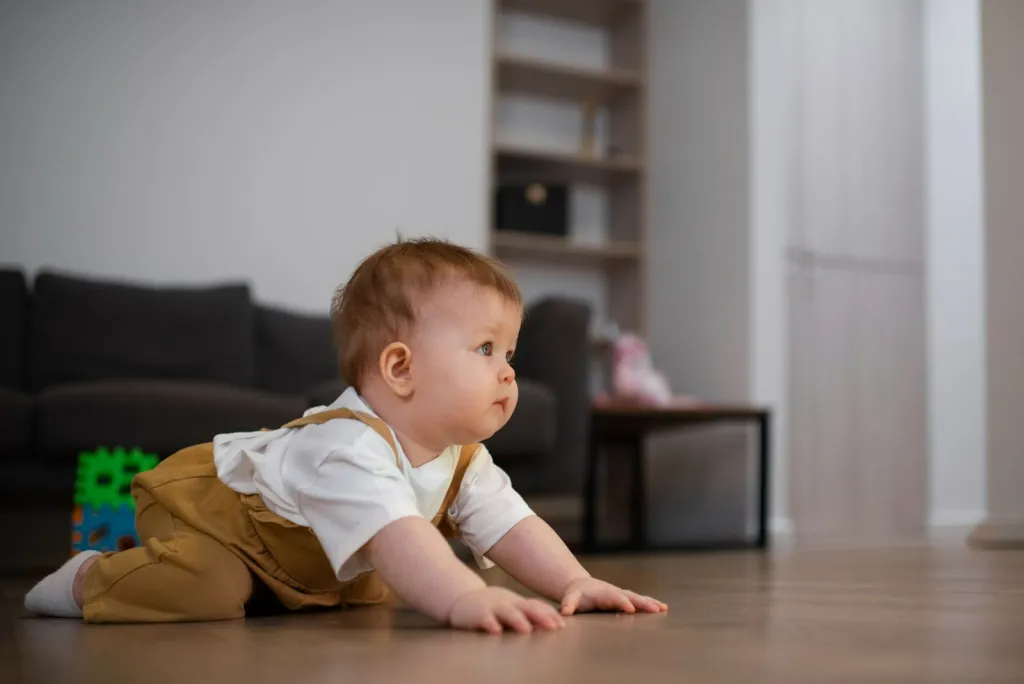
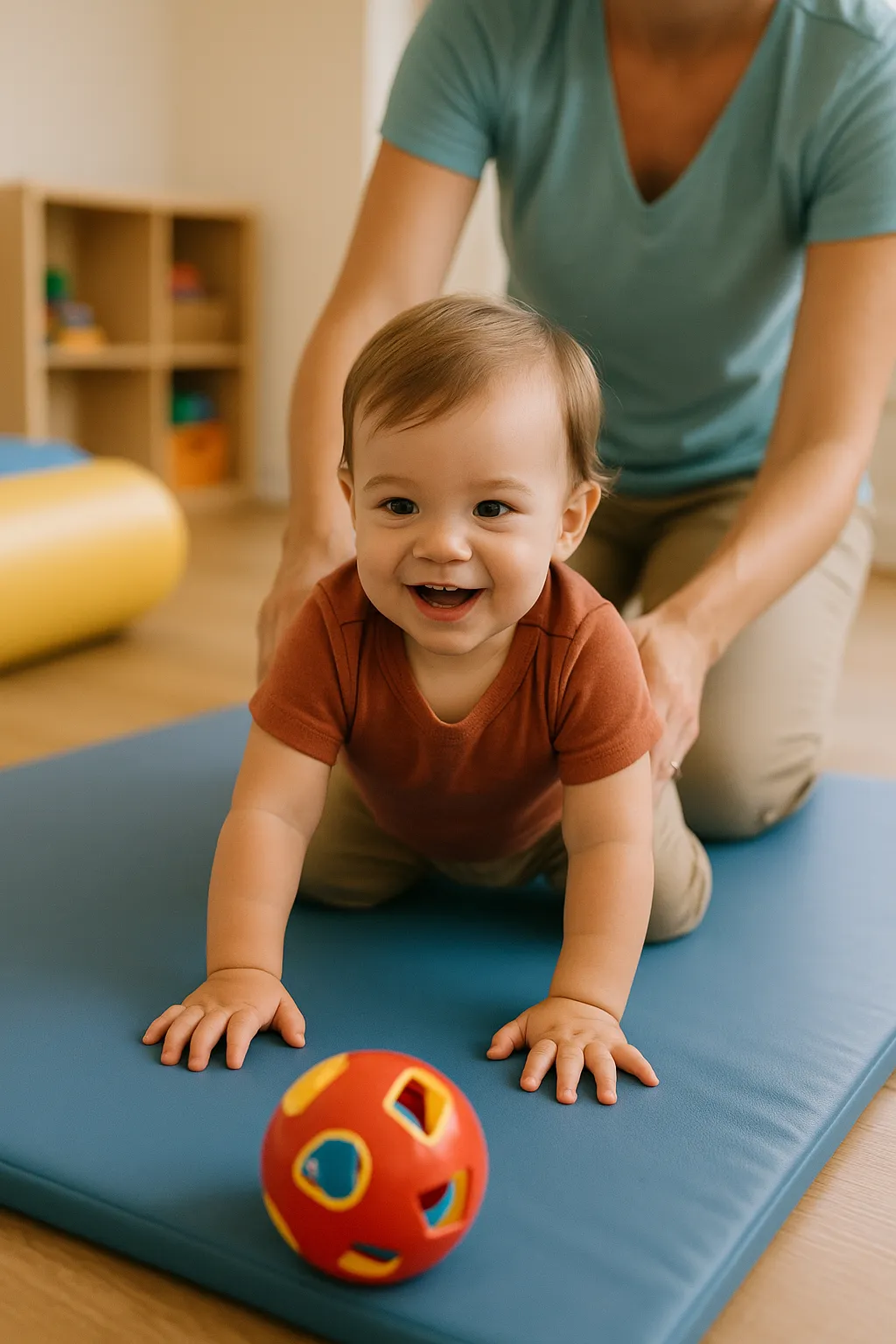
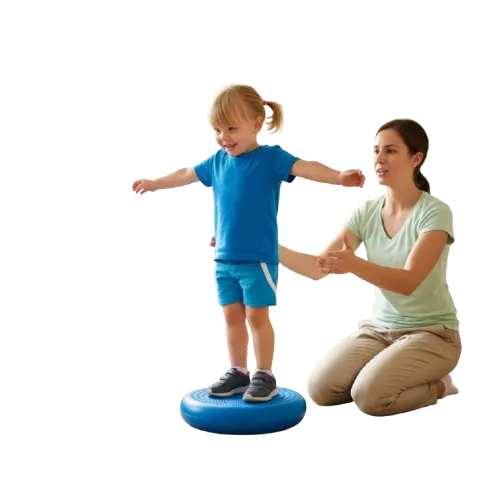
For example, we might set up a soft-mat obstacle course where a child crawls, hops or navigates over objects while reaching for items, engaging core strength, coordination and spatial awareness. Or we might use sensory play (e.g., different textures, movement games) to encourage motor planning, proprioception and body awareness. A game might involve passing a bean-bag while balancing on one leg, encouraging stability and bilateral coordination. These examples reflect how play based learning in early childhood merges the therapeutic intent (motor skills, independence) with the child’s natural enjoyment of play.
Importantly, our physiotherapist, Natasha Ardiles, applies evidence-based protocols within a play-centred framework. That means each child’s physiotherapy goals are mapped, progress is monitored, and the activities evolve as the child advances. This blend of fun and function ensures that outcomes are more likely to generalise into daily life (e.g., dressing, climbing stairs, playing with peers) rather than being isolated to the clinic.
Examples of Play Based Learning in Action
Here are some typical ways we incorporate play based learning in early childhood at Leaping Kids:
- Obstacle courses: Using mats, cones, tunnels and soft hurdles to promote balance, coordination, strength, and dynamic movement. Children navigate, adjust speed, and respond to changes; each movement becomes a learning moment.
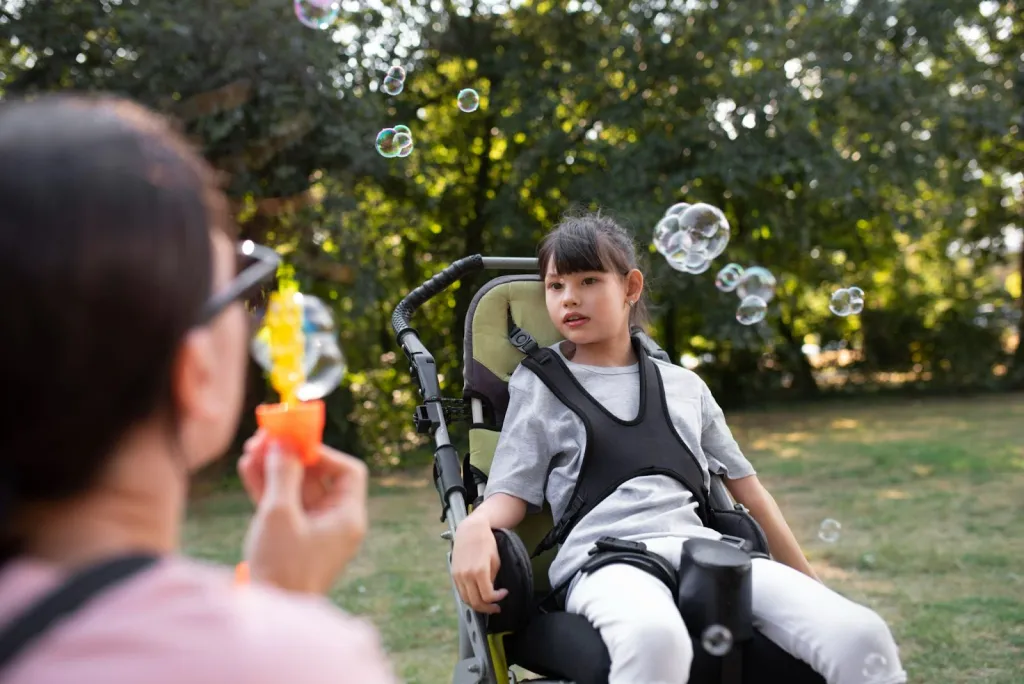
- Sensory play: Materials such as sand, water, textured surfaces or uneven ground encourage exploration, motor planning and sensory integration. These activities support the child’s ability to process input, adjust movements, and gain body awareness.
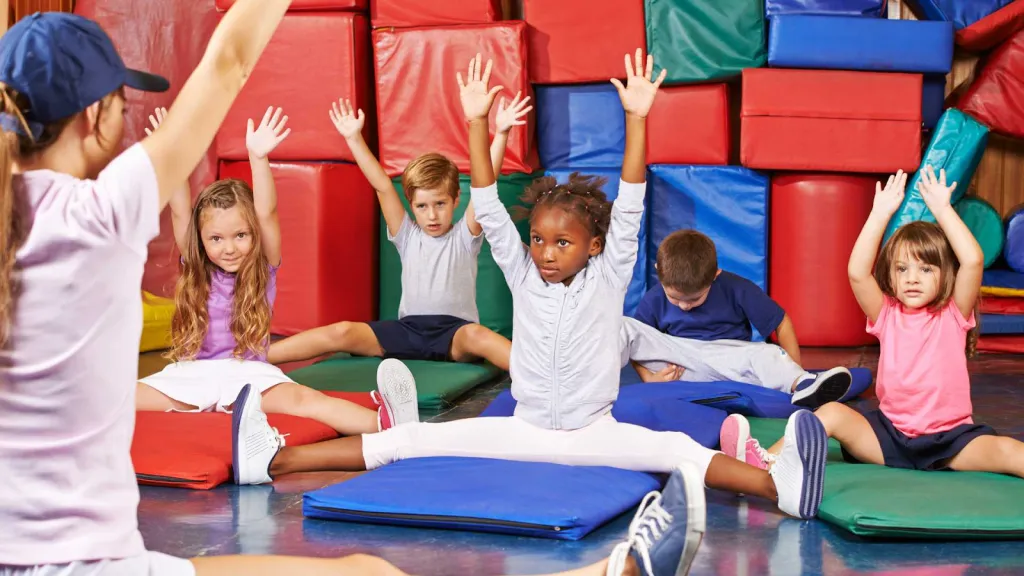
- Interactive games: Engaging in age-appropriate games that require following instructions, responding to movement cues, negotiating turns or rules, all of which build executive function, social interaction and motor control.
- Tailored movement tasks: For a child working on bilateral coordination, we might introduce bean-bag toss while stepping on coloured spots; for core stability, we might use ball-roll games or catching while seated on a wobble-cushion. Each activity is aligned with a therapeutic goal yet framed as play.
These are not one-size-fits-all. Each child’s session is individually tailored: we assess what they need, we set achievable goals, we design play that meets those goals and we measure progress. This means the phrase play based learning in early childhood is not just theoretical; it becomes the practical backbone of therapy.
Parents as Partners: Encouraging Play at Home
The power of play based learning in early childhood extends beyond our sessions. Parents and caregivers are vital partners in reinforcing these principles at home. Here are practical tips you can use:
- Use everyday items for movement games: A rolled towel can become a balance beam, cushions a stepping-stone path, a bean-bag a target for throwing. These simple set-ups invite movement, challenge and play.
- Create playful challenges: For example, build a “treasure hunt” where your child crawls or hops to find objects, climbs over low obstacles or balances while carrying something. The aim: playful but purposeful.
- Encourage free exploration, then scaffold: Let your child choose how they play, explore an environment, and then gently prompt or model additional movement (“What if you jumped instead of stepped?”). This reinforces agency, curiosity and motor adaptation.
- Connect play with physical skills: While your child is playing, you might say, “Can you reach with your other hand? Let’s hop on your left leg now.” This links movement to awareness and skill development.
- Make it part of the routine: You don’t need formal exercises, just 10-15 minutes of playful movement embedded in everyday routines (e.g., after breakfast, before bath) helps build the habit of play based learning in early childhood.
By engaging in these small but consistent ways, you amplify the therapeutic benefits of our sessions and help your child generalise their new skills into daily life.
Why Choose Leaping Kids
For families seeking specialised paediatric physiotherapy in Sydney, Leaping Kids offers unique services, including NDIS physiotherapy, neurological rehab, mobile, and in-home/in-school sessions. Delivered by qualified physiotherapist Natasha Ardiles (B.Med.Sc., M.Phty), we specialise in children with developmental or neurological challenges, and we integrate play based learning in early childhood at the heart of our approach. Rather than treating therapy as drills, we make it engaging, meaningful and rooted in outcomes: enhanced mobility, improved coordination, greater independence and increased confidence. If you’re looking for therapy that feels like play, but delivers real developmental growth, reach out to Leaping Kids. Because play is not just fun, it’s foundational for lifelong physical and developmental growth.
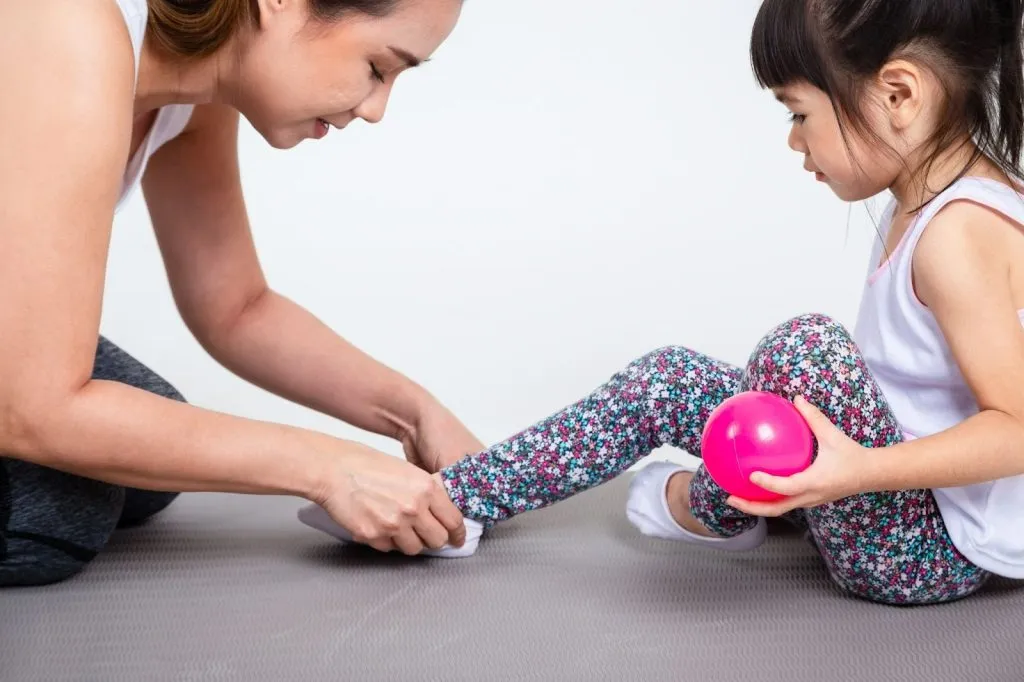
If you’re wondering whether play based learning in early childhood really matters, the answer is yes. It’s not about “just letting kids play” nor about ignoring therapeutic structure. Rather, it’s about combining purposeful movement, exploration, social interaction and cognitive challenge in a way that develops the whole child. From supporting neuroplasticity to refining motor skills to building confidence and independence, the benefits are wide-ranging. At Leaping Kids, we apply this approach in every session, making therapy something your child looks forward to and benefits from. As you support this in your home, you create an environment where play becomes learning, movement becomes growth, and your child becomes stronger, more capable and more confident.
Ready to explore how this approach can help your child? Contact us today to see how we can work together.