
When a child shows signs of developmental differences, time becomes one of the most important allies. ASD early intervention refers to providing targeted, evidence-based support during the child’s earliest years, ideally as soon as developmental concerns arise. Starting early gives children with autism spectrum disorder a better chance to build core skills in communication, social interaction, motor control, and independence.
At Leaping Kids, based in Sydney and led by physiotherapist Natasha Ardiles (B.Med.Sc., M.Phty), we specialise in early intervention autism support through paediatric physiotherapy and allied care. With mobile, in-home and in-school sessions (including NDIS-funded options), we bring therapy to where your child feels most comfortable. This article will explain exactly what asd early intervention means, why it’s so important, how physiotherapy fits in, and how families in Sydney can access support early.
What Is ASD Early Intervention?
ASD early intervention means structured therapeutic support delivered in the early developmental years to children who show signs of autism spectrum disorder or developmental delays. It does not necessarily wait for a formal autism diagnosis; in fact, intervention can begin as soon as concerns emerge. The goal is to harness the brain’s plasticity in early childhood and guide development in areas prone to delay.
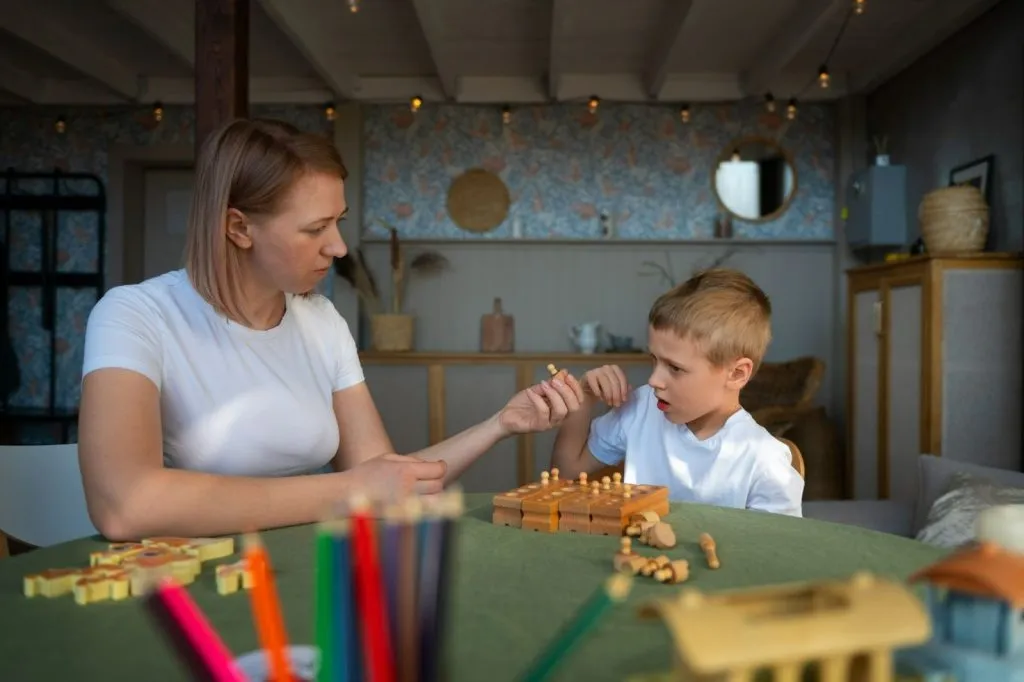
In Australia, the National Disability Insurance Scheme (NDIS) recognises early intervention supports for children under 9 with developmental challenges. The government’s “early childhood intervention” model helps get children support before diagnosis delays hinder progress.
Why Early Support Makes a Difference
Starting early matters for several reasons:
- Brain plasticity is greatest in the early years. Neural pathways are more adaptable, meaning intervention can shape development more effectively.
- Research shows early intervention can lead to measurable improvements in core skills. For example, a long-term study of the Early Start Denver Model (ESDM) showed children receiving intensive early intervention had stronger outcomes in adaptive behaviour, language, and IQ.
- Recent Australian research suggests that very early, parent-led interventions may reduce the severity of autistic traits. One WA study found that children receiving specific early therapy were two-thirds less likely to meet full autism criteria later.
- Even before diagnosis, early support helps reduce the functional impact of delays. Waiting for a formal diagnosis can delay critical windows of development.
In short, early intervention for autism isn’t optional; it’s a strategic advantage in supporting lifelong trajectories.
Key Benefits of ASD Early Intervention
When executed well, asd early intervention yields multiple benefits that cascade across a child’s development:
- Better communication and language: Early speech and social supports help children express needs, reduce frustration, and engage more actively.
- Improved social skills and emotional regulation: With support, children can learn turn-taking, joint attention, and self-regulation. This fosters confidence in peer settings.
- Stronger motor coordination and independence: Interventions addressing movement, balance, and planning (via physiotherapy) contribute to better physical confidence.
- Greater daily living skills and participation: Early intervention helps children progress in self-care, play, school readiness, and community engagement.
- Increased long-term outcomes: Kids who receive early support often require less intensive help later, and tend to reach more of their potential.
The combination of these benefits is why early intervention Sydney programs seek to address all domains together, not just behaviour or speech in isolation.
Where Physiotherapy Fits into ASD Early Intervention
Many people associate autism interventions only with speech therapy or behaviour therapy, but paediatric physiotherapy plays a crucial, complementary role in ASD early intervention.
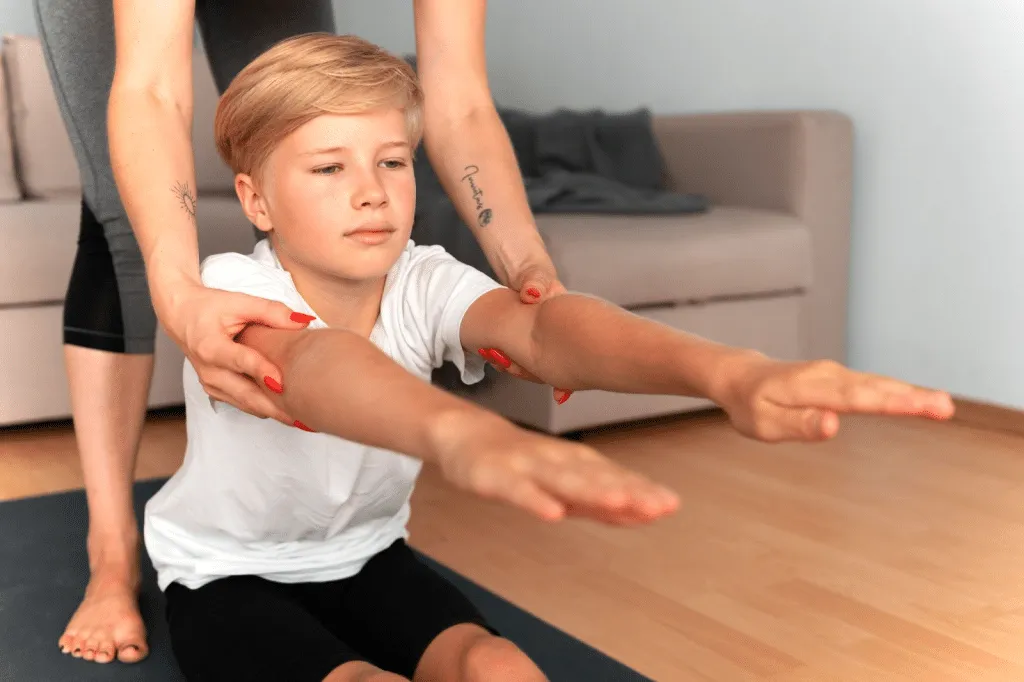
- Physiotherapists help children with motor planning, gross motor skills, balance, core strength, and posture, all of which support exploration, play, and independence.
- In children with ASD, challenges in coordination or motor planning may hamper mobility, causing fatigue, falls, or avoidance of movement challenges. Addressing these early can prevent secondary complications.
- A physiotherapist can also work on sensory–motor integration, helping a child better respond to balance, spatial awareness, and sensory feedback during movement.
- Because physiotherapy is inherently physical and movement-based, it can be seamlessly integrated into play, making it more fun and functional.
By embedding physiotherapy into the broader intervention plan, children gain physical confidence that supports social and cognitive development.
The Leaping Kids Approach to ASD Early Intervention
At Leaping Kids, our approach to ASD early intervention is built on three pillars: evidence-based practice, play-led methods, and family-centred care.
- Expert-led care: Natasha Ardiles (B.Med.Sc., M.Phty) leads our team. Her clinical expertise ensures that every child’s plan is grounded in up-to-date research and tailored to their individual profile.
- Play-based, child-centred therapy: Rather than drills or rigid tasks, we use playful, meaningful activities that motivate a child. Our therapy is embedded into natural settings (home, school, or community) so skills generalise.
- Holistic, multi-domain approach: We don’t focus on one area only. Communication, motor, sensory, social, and daily skills are addressed in an integrated way, because that is how development works best.
- Mobile & flexible delivery: We offer in-home, in-school, or mobile clinic sessions across Sydney, making it easier for families to access early intervention Sydney support without long travel. And because we are NDIS-registered, many families can access support through NDIS funding.
- Partnership with families: We see parents and caregivers as co-therapists. We coach home strategies, share progress openly, and integrate therapy practices into daily routines.
- Quality & accountability: As part of the NDIS quality practice guidelines for early childhood intervention, we commit to assessments, monitoring, goal review, and transparency in practice.
Because each child is unique, we avoid one-size-fits-all models and tailor our program to your child’s needs.
What Areas Does ASD Early Intervention Typically Address?
A comprehensive asd early intervention program will cover these interrelated areas:
- Communication & social interaction
Skills in eye contact, joint attention, requesting, social play, gestures, and conversational exchange. - Motor development
Gross motor (running, jumping), fine motor (grasping, manipulating), balance, coordination, and motor planning. - Sensory integration
Regulation of sensory input (tactile, vestibular, proprioceptive), helping children better interpret their environment and respond adaptively. - Daily living & self-care skills
Feeding, dressing, toileting, play routines, transitions, and functional independence. - Emotional regulation & behaviour support
Strategies to cope with frustration, anxiety, flexibility in routines, and self-soothing.
These areas don’t work in isolation. For example, improved motor control helps a child more confidently engage socially; enhanced sensory regulation supports calmer attention to learning. Through paediatric physiotherapy combined with speech, OT, and behavioural therapy, these domains are progressively strengthened.
How Parents Can Support ASD Early Intervention at Home
Therapy is only one piece of the puzzle. What happens at home often has the greatest impact. Here are practical strategies parents can apply:
- Integrate therapy into daily routines: Use movement games during mealtimes, transitions, or bath time to reinforce motor goals.
- Consistent small doses: Rather than long sessions, short 5–10 minute daily meaningful activities (e.g. obstacle courses, throwing, balance games) help embed learning.
- Use observation and carryover: Watch what your child finds challenging and extend the task one small step beyond their comfort zone.
- Visual supports and structure: Use charts, timers or cue cards to structure tasks and transitions consistently.
- Encourage exploration and play: Offer open-ended play materials (e.g. balls, climbing toys, building blocks) that invite movement and creativity.
- Collaborate closely with your therapist: Ask for simple home programs, progress check-ins, and strategies you can embed. The stronger the alignment between therapy and home, the greater the gains.
- Celebrate small wins: Progress is often gradual; acknowledge every step forward to motivate your child and family.
By aligning your home environment with the therapeutic goals, you amplify the impact of early intervention for autism.
When to Seek Early Intervention (Even Before Diagnosis)
It’s important not to wait for a formal autism diagnosis before acting. Here are signs parents can watch for, typically before 24–36 months, that suggest it’s time to consult a specialist:
- Delayed speech or limited use of gestures
- Minimal social eye contact, limited joint attention
- Repetitive movements (hand flapping, rocking), rigid routines
- Difficulty imitating actions or playing with toys flexibly
- Challenges moving (clumsiness, unusual gait, poor balance)
- Sensory sensitivities (overreacting or underreacting to light, sound, touch)
In Australia, children under 6 do not need a formal diagnosis to access early intervention supports via the NDIS’s early childhood approach. If a professional (paediatrician, early childhood educator, child health nurse) raises concerns, Early Childhood Partners can connect you to supports even while a diagnostic assessment is pending.
If you notice any developmental signs, it’s wise to reach out, book an assessment, or seek consultation. Early support always yields greater benefit than waiting.

ASD early intervention offers children a powerful head start in development. By addressing communication, social, motor, sensory, and independence challenges early, you set a foundation for confidence and functional growth.
At Leaping Kids, we combine the expertise of Natasha Ardiles and our dedicated team with play-based, evidence-led methods and family-centred care. We deliver paediatric physiotherapy within your child’s natural settings and harness NDIS funding, mobile visits, and in-school support across Sydney to make therapy accessible.
If you’ve noticed signs in your child, or you simply want a professional assessment, we encourage you to reach out. Early support creates lasting impact. Please contact Leaping Kids today for a consultation or developmental assessment, and let’s begin this journey together.