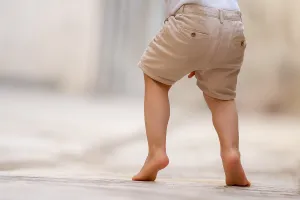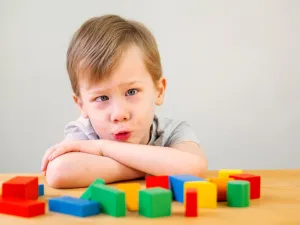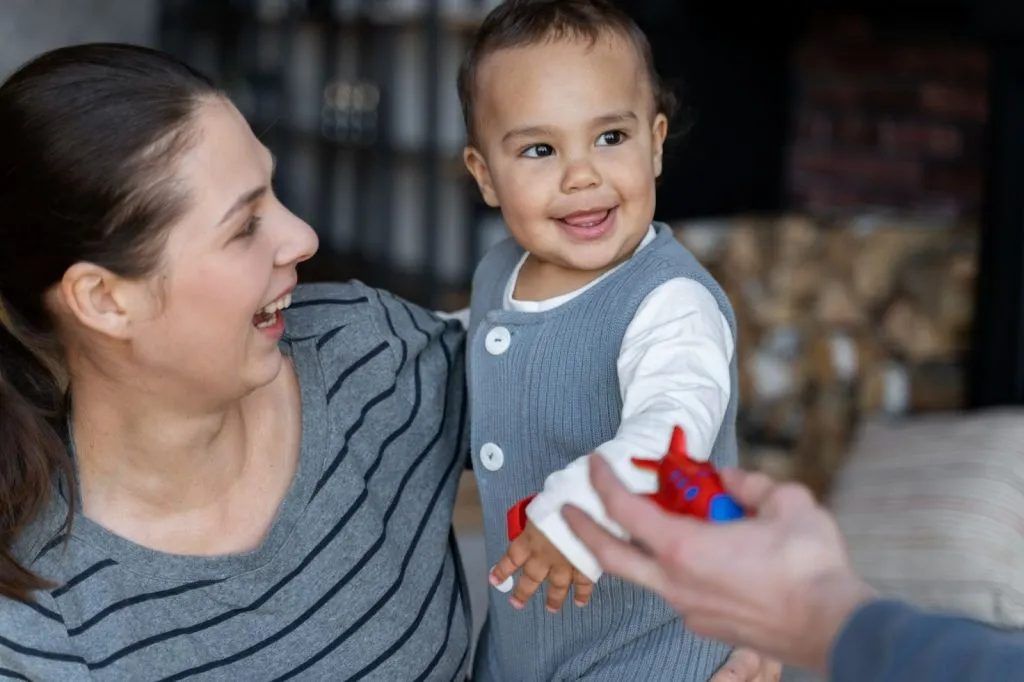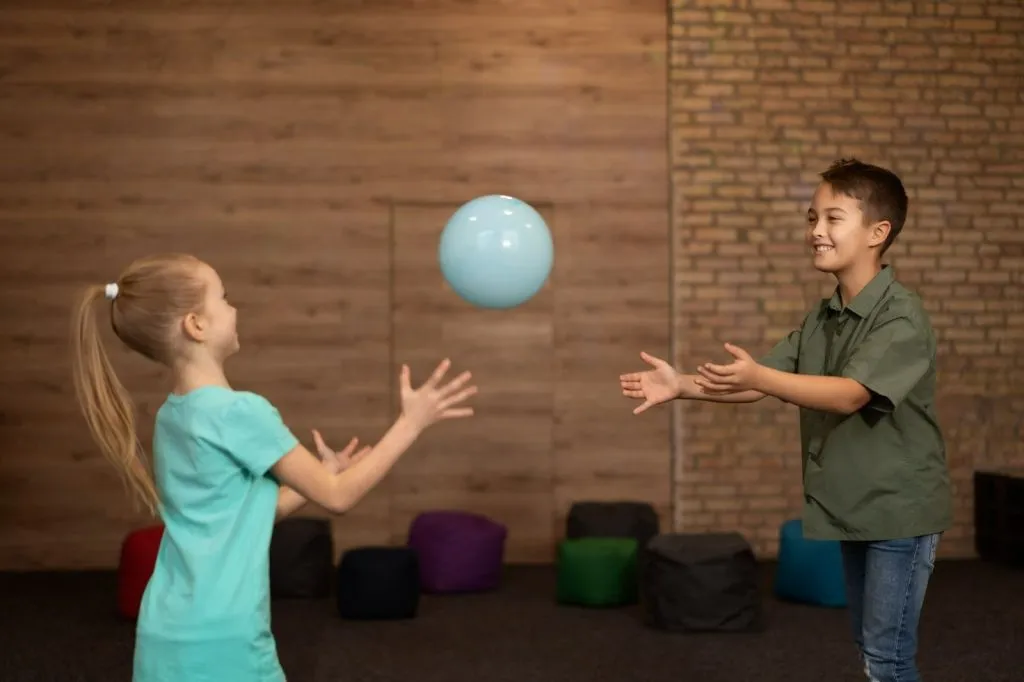
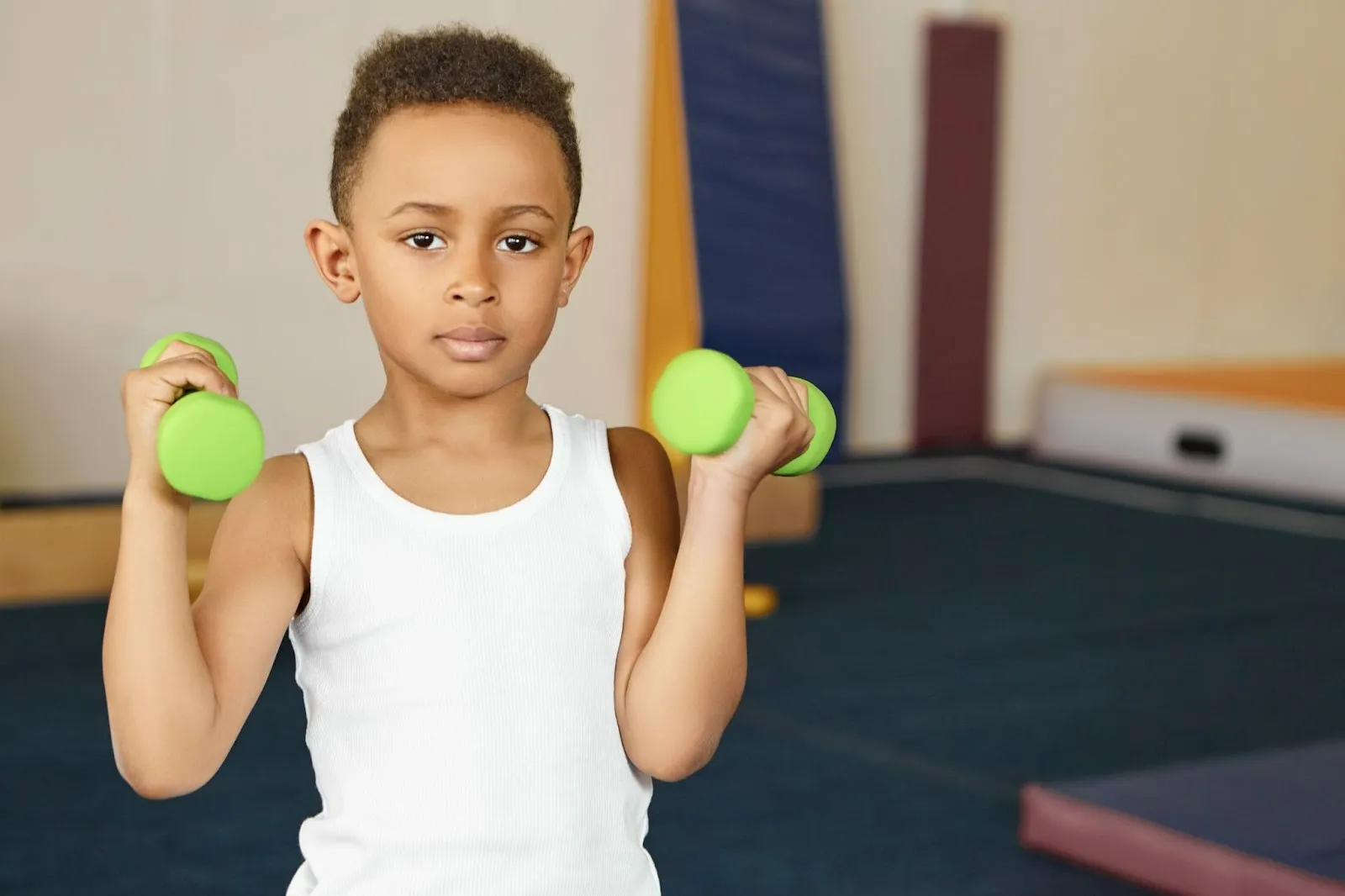
From the moment children begin to toddle, jump and explore their world, movement plays a central role in how they grow, learn and feel confident. At Leaping Kids, we believe that physical activity for kids is not merely playtime, it’s a key driver of healthy growth, development and independence. If your child is navigating developmental or neurological challenges, integrating movement into their day can make a real difference.
In this blog, we’ll explain why physical activity for kids matters, how it supports everything from balance to learning, and how our play-centred, mobile physiotherapy helps children in Sydney thrive.
Why Physical Activity for Kids Matters
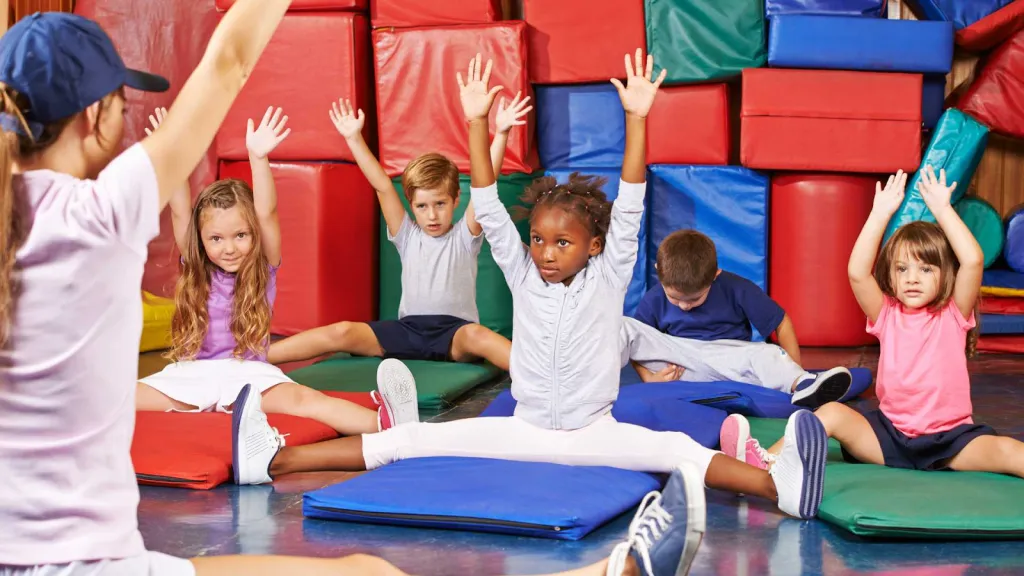
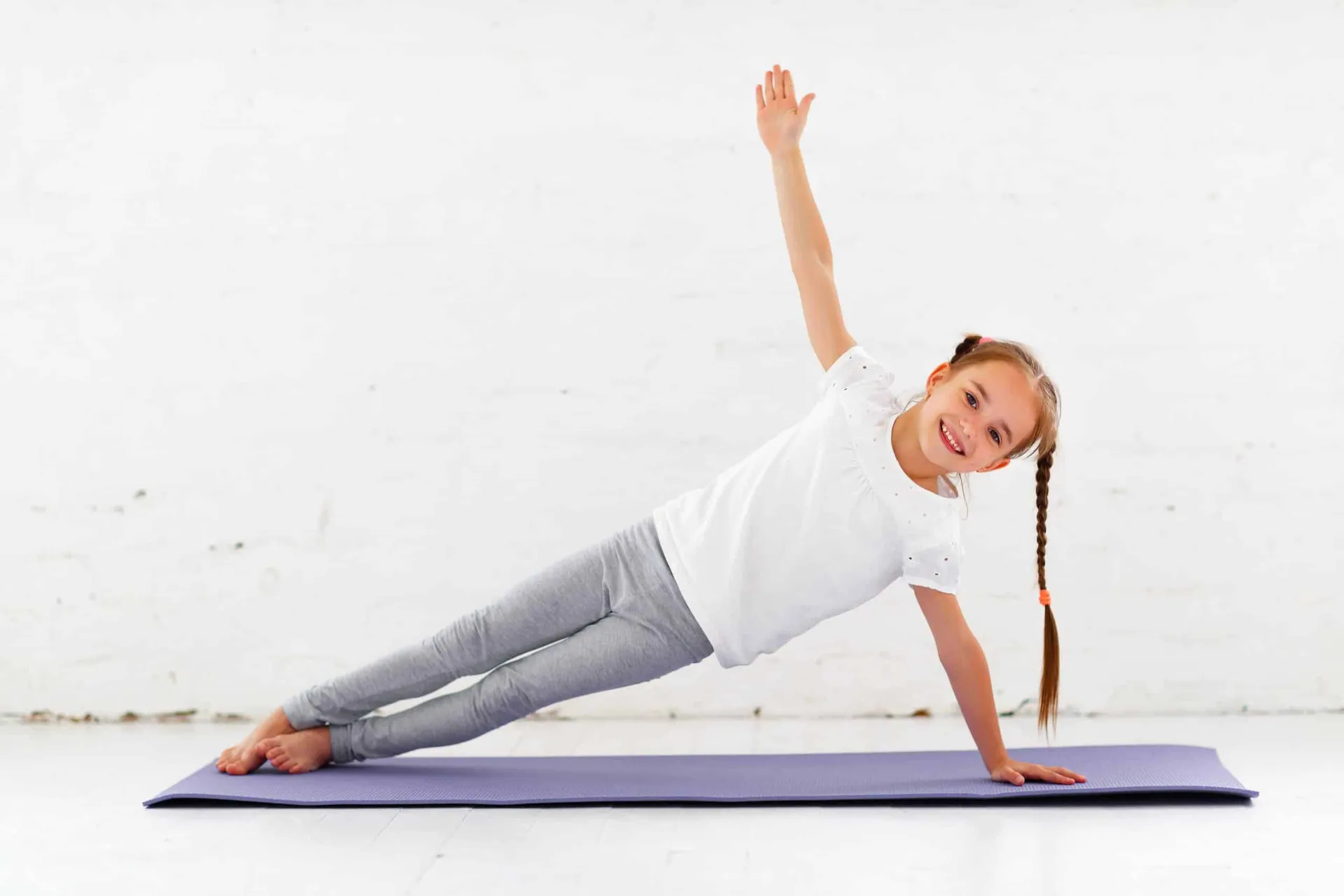
When we talk about physical activity for kids, we’re referring to every way a child moves their body through play, exercise, climbing, crawling or games. The benefits are extensive:
- On the physical side, activity builds stronger bones and muscles, enhances cardio-respiratory fitness, supports a healthy weight and boosts posture and balance.
- On the cognitive side, involvement in movement helps improve attention, memory, executive function and academic outcomes.
- On the emotional and social side, being active supports self-esteem, social interactions, teamwork, emotional regulation and overall well-being.
Given these wide-ranging effects, promoting physical activity for kids early and consistently is a smart intervention. According to the World Health Organization: “in children and adolescents, physical activity promotes bone health, encourages healthy growth and development of muscle, and improves motor and cognitive development.”
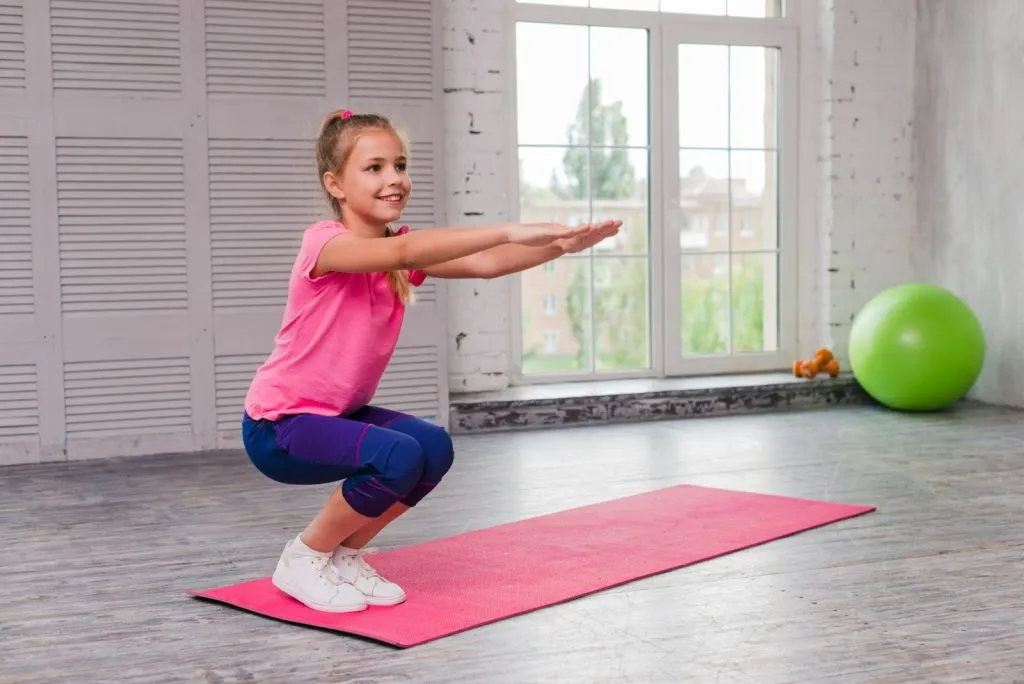
For children with developmental or neurological challenges, this means that targeted movement isn’t optional; it’s foundational to unlocking their potential.
Building Motor Skills through Movement
One of the most exciting things about physical activity for kids is how it supports motor skill development: coordination, balance, strength and endurance. These are the building blocks for independence, play and participation.
For example:
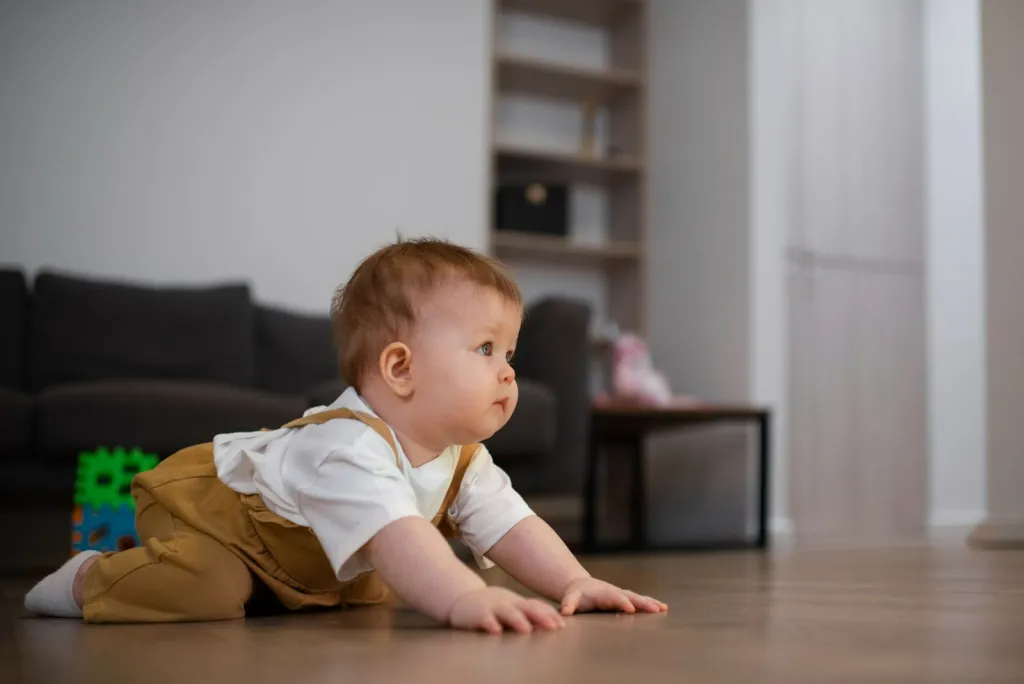
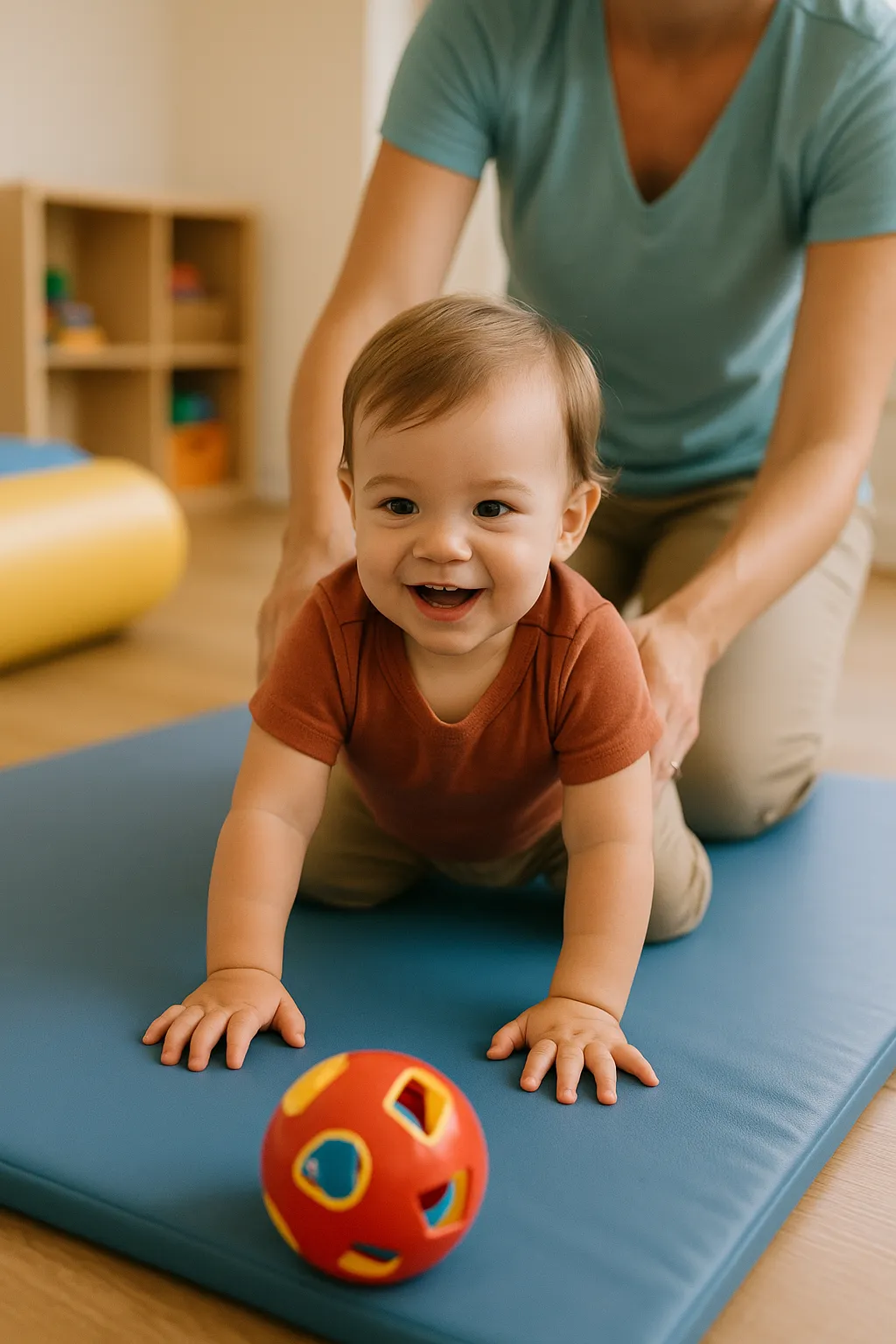
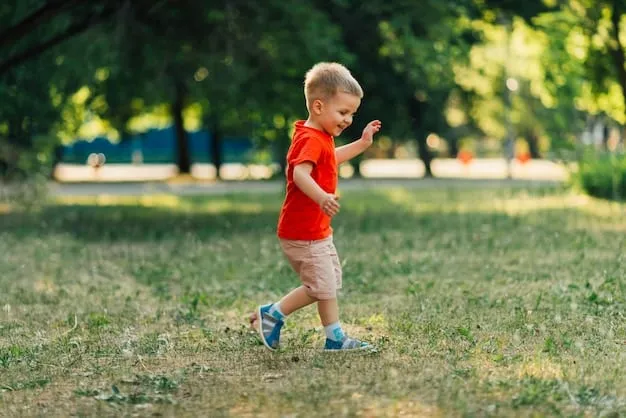
- Gross motor skills such as crawling, climbing, jumping and running help children build strength and stamina.
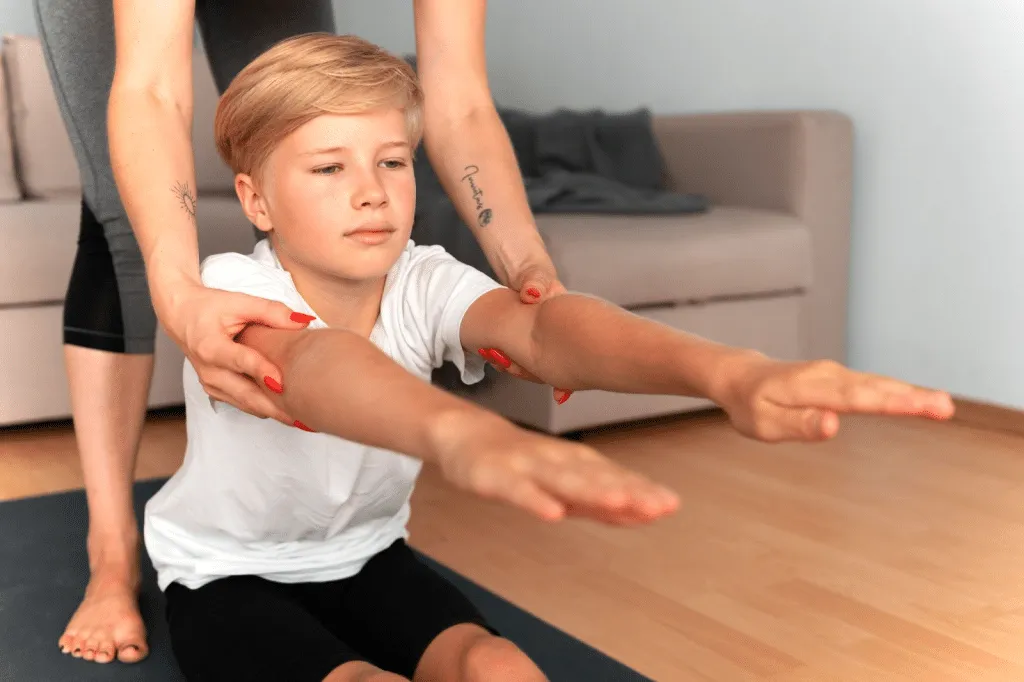
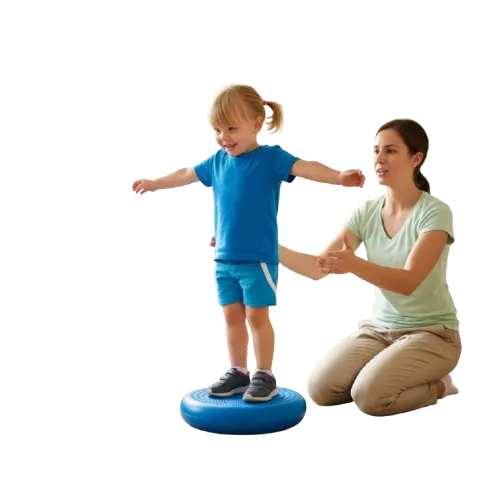
- Stability and balance activities help children develop core control, equilibrium and body awareness.
- Fine motor and coordination tasks flow out of the body’s familiarity with movement and position.
Research shows that regular physical activity supports growth and development of physical, mental and psychosocial health, especially when it aligns with children’s changing exercise capacity and motor skills.
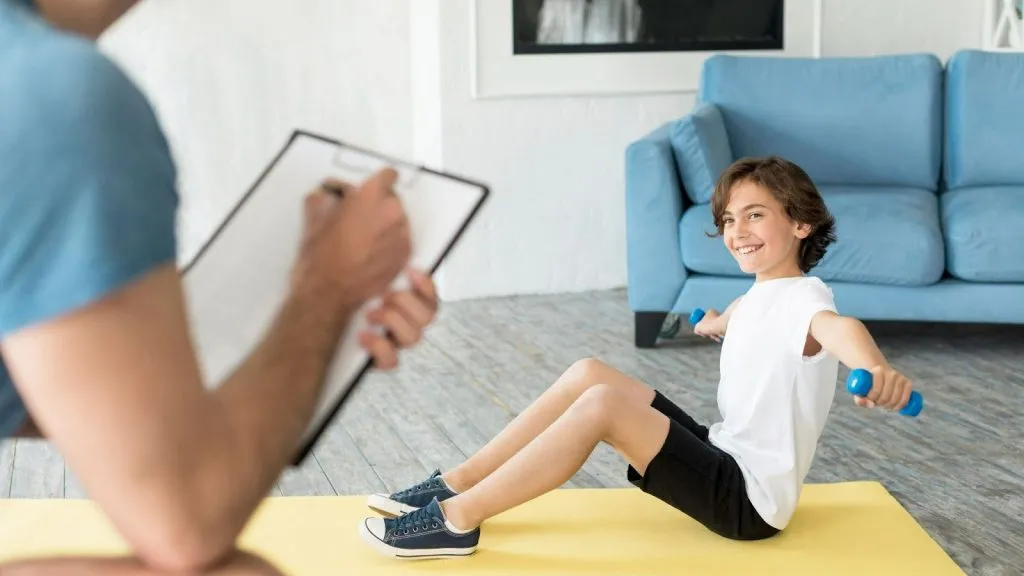
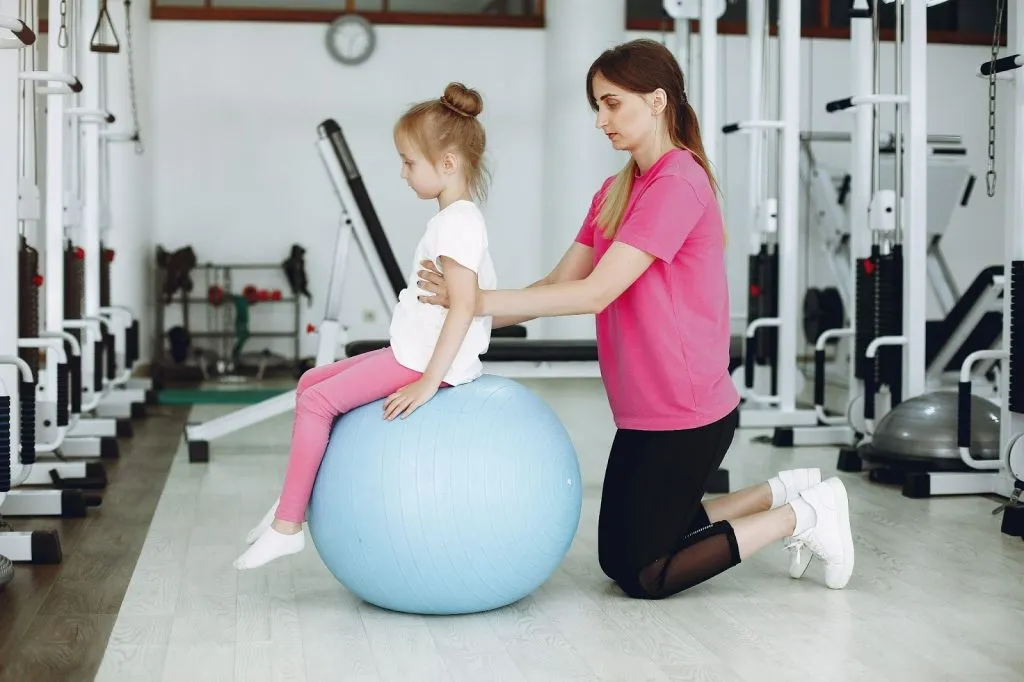
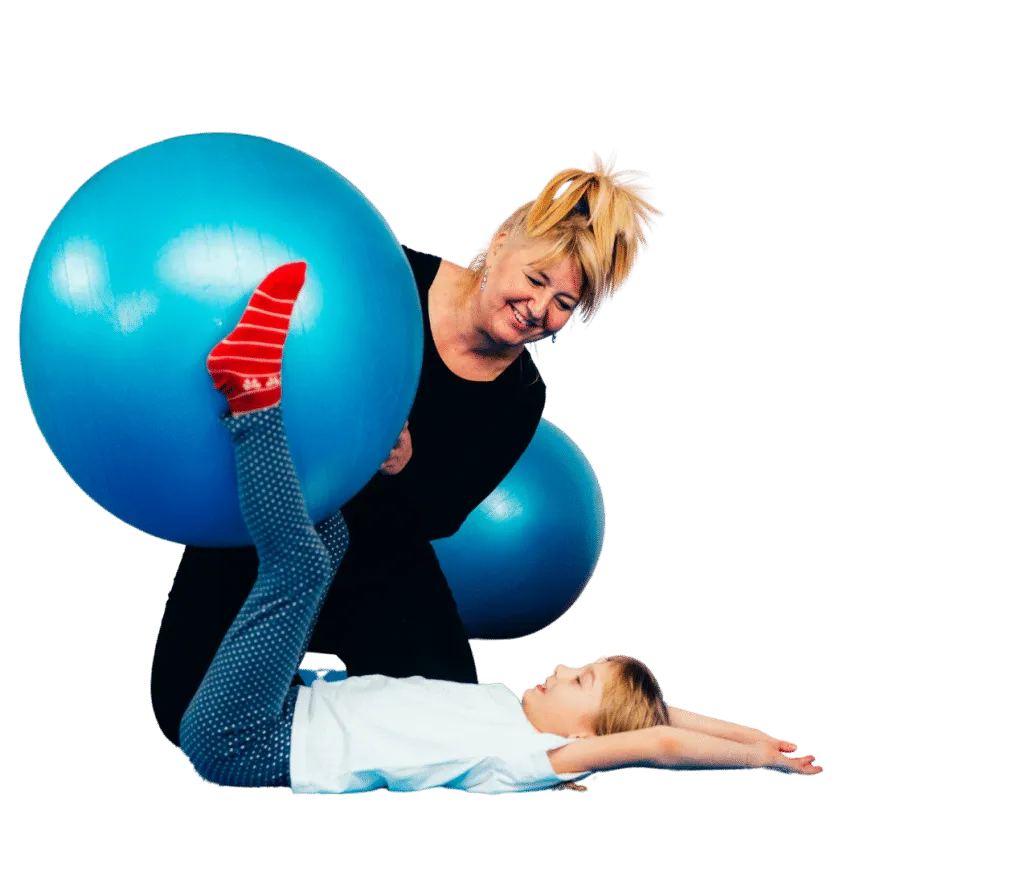
At Leaping Kids, we integrate these ideas into therapy. Rather than purely structured exercises, we make use of physical activity for kids in ways that feel like play: obstacle courses, crawling through tunnels, ball games that challenge coordination, jumping tasks that build strength, and games that target balance without the child ever realising they’re “doing therapy”. This playful approach helps children with developmental or neurological delays engage, enjoy and progress.
How Play-Based Physiotherapy Brings Movement to Life
You might be wondering: how does a physiotherapist convert the theory of physical activity for kids into practice? Here’s how we do it at Leaping Kids:
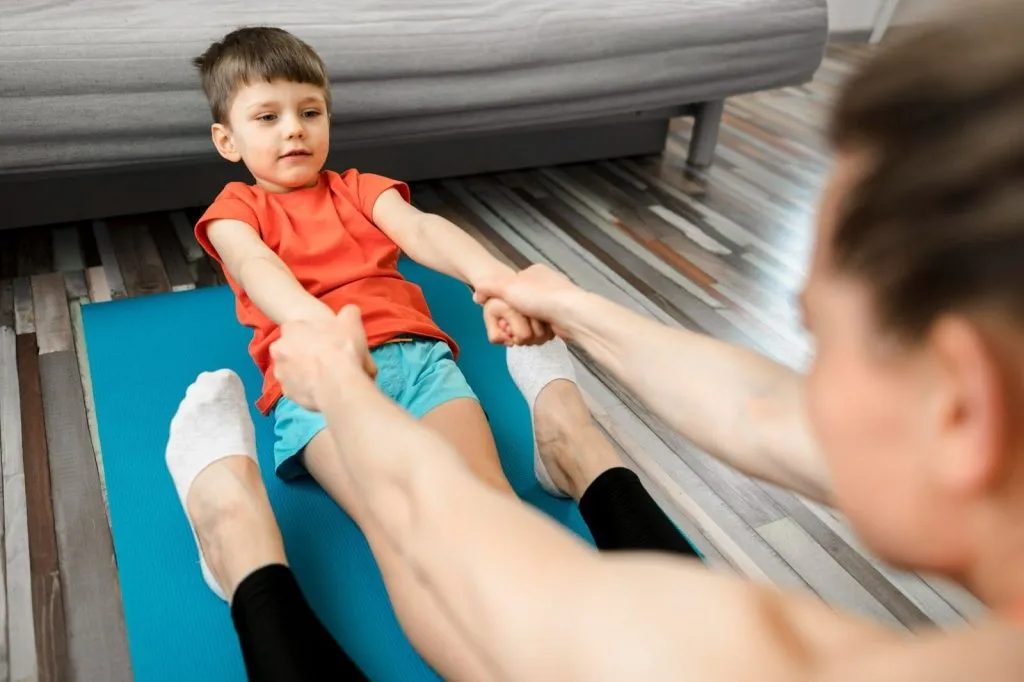
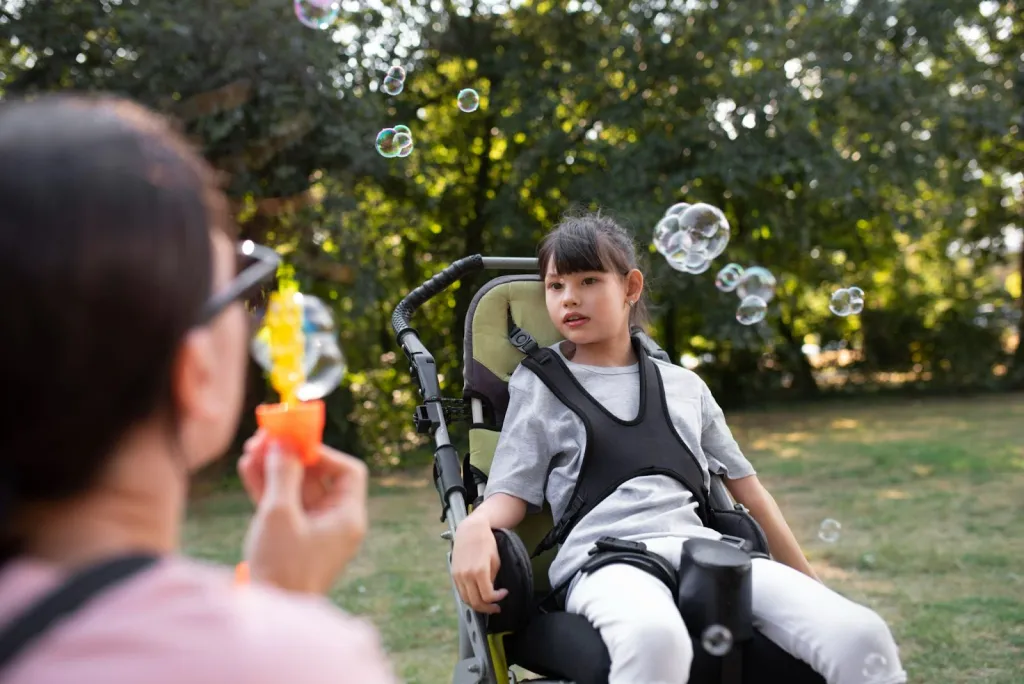
- We meet children in the contexts they feel comfortable in (home, in-school, community), making the movement natural and meaningful.
- We design sessions that integrate climbing, crawling, jumping and ball games, not simply because they’re fun, but because each activity supports strength, coordination, balance and endurance.
- For example: a climbing activity up a ramp to encourage leg strength and coordination; crawling through nets to challenge core control; jumping between coloured spots to build muscle, speed and balance; ball games to improve hand-eye coordination, social interaction and reaction time.
- We tailor each child’s plan based on their developmental profile and needs, monitoring progress in mobility, coordination and independence.
This hands-on, movement-rich approach ensures that physical activity for kids isn’t an add-on; it’s central to their therapy journey. It’s not just about getting children moving; it’s about helping them move with confidence, control and joy.
The Link Between Movement, Focus & Learning
Movement and learning are deeply connected. When children engage in physical activity for kids, they aren’t just exercising their bodies; they’re engaging their brains. Research indicates that both single sessions and long-term participation in physical activity improve cognitive performance, brain health and academic outcomes.
Some key findings:
- Children who are more physically active show better attention, memory and classroom behaviour.
- Movement also helps regulate emotions and stress, which supports readiness to learn and engage socially.
- For children with developmental or neurological challenges, embedding physical activity for kids into routine therapy and daily life supports not just movement but participation, inclusion and confidence.
By integrating play-based physiotherapy that centres on movement, Leaping Kids helps children build the foundations for both physical and cognitive success.
Encouraging Safe, Age-Appropriate Physical Activity at Home & in the Community
As a parent or carer, you’re the key enabler of physical activity for kids. Here are practical ways to support and encourage safe, meaningful movement:
- Aim for at least 60 minutes of moderate to vigorous activity daily for children aged 5-12 years.
- Make movement playful: jumping, climbing, ball games, balancing on logs, hopping on one foot, use the environment.
- Model the behaviour, children are more likely to be active if they see active adults.
- Create safe spaces: clear obstacles, supervise climbing or jumping, and adapt tasks to your child’s ability and comfort.
- Use community options: local parks, playgrounds, sports groups, but let choice and fun lead.
- Integrate movement into everyday routines: walking to school, stretching before breakfast, dancing after dinner.
- For children with developmental or neurological challenges, check in with a physiotherapist (such as the team at Leaping Kids) who can guide you in tailoring safe activity, modifying tasks and adapting games so your child can participate fully and safely.
Remember: movement is medicine. The more children are empowered with playful, meaningful physical activity for kids, the more likely they are to build strength, coordination, confidence and independence.
Why Choose Leaping Kids for Your Child’s Movement Journey
Situated in Sydney and led by physiotherapist Natasha Ardiles (B.Med.Sc., M.Phty), Leaping Kids specialises in paediatric physiotherapy for children with developmental and neurological challenges. What sets us apart:
- We deliver NDIS-funded, mobile, in-home and in-school sessions, bringing therapy to your child in the environment where they’re most comfortable.
- We adopt a holistic, early-intervention approach, understanding that physical activity for kids is a pathway to growth, confidence and independence.
- Therapy is play-centred, evidence-based and tailored to each child’s unique profile, so movement isn’t forced, but engaged and meaningful.
- We partner with families, guiding you to embed movement into everyday life, supporting home and community activity beyond our sessions.
- Our aim? To support every child to build strength, coordination and independence through movement they enjoy.
If you’re looking for a partner to support your child’s development through meaningful, movement-rich physiotherapy in Sydney, Leaping Kids is ready to walk the path with you.
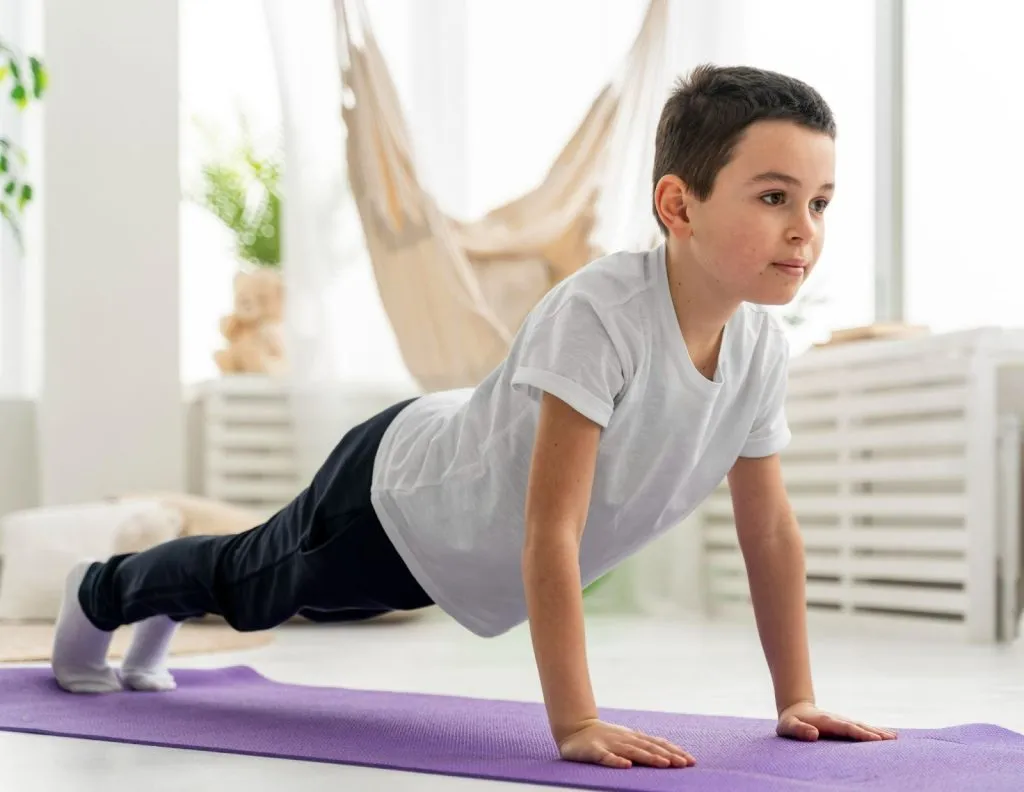
When you prioritise physical activity for kids, you’re investing in more than movement. You’re investing in growth, learning, resilience and independence. Whether your child is developing typically or facing extra growth challenges, movement should be part of their story. At Leaping Kids, we believe every child deserves to move, explore and thrive in ways that build confidence, coordination and strength in their everyday world.
If you’d like to learn more about our services or discuss how we can support your child’s movement journey, please reach out to us. Movement matters. And it matters for every child.