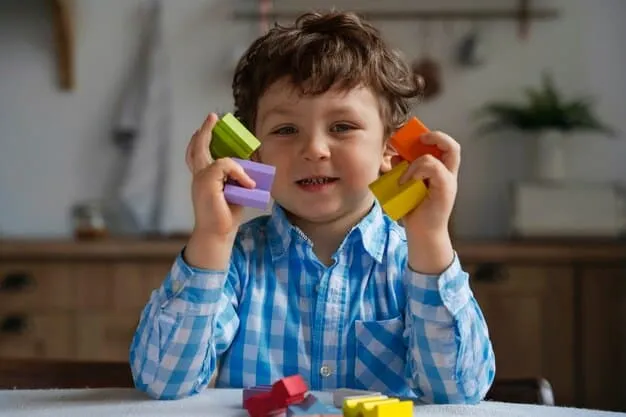
Every child grows at their own pace. Some take longer to crawl, others prefer to skip crawling entirely and go straight to walking. Variation in development is normal. But sometimes, delays or movement difficulties go beyond what’s expected, and that’s when a parent’s alarm bells start ringing: Does my child need physiotherapy?
This blog will guide you through what paediatric physiotherapy is, what it helps with, and the signs your child needs physiotherapy. By the end, you’ll know when to seek assessment and how therapy can support your child’s strength, coordination, and confidence.
What Is Paediatric Physiotherapy – and What Can It Help With?
Paediatric physiotherapy is a specialised form of physical therapy focused on children’s movement, development, and function. Paediatric physiotherapists work with babies, toddlers, and children who have developmental, neurological, or musculoskeletal challenges.
They use play-centred, evidence-based techniques to support motor skills (gross and fine), balance, strength, coordination, muscle tone, and functional independence. In other words, they design activities that look like “play” but are therapeutically targeted.
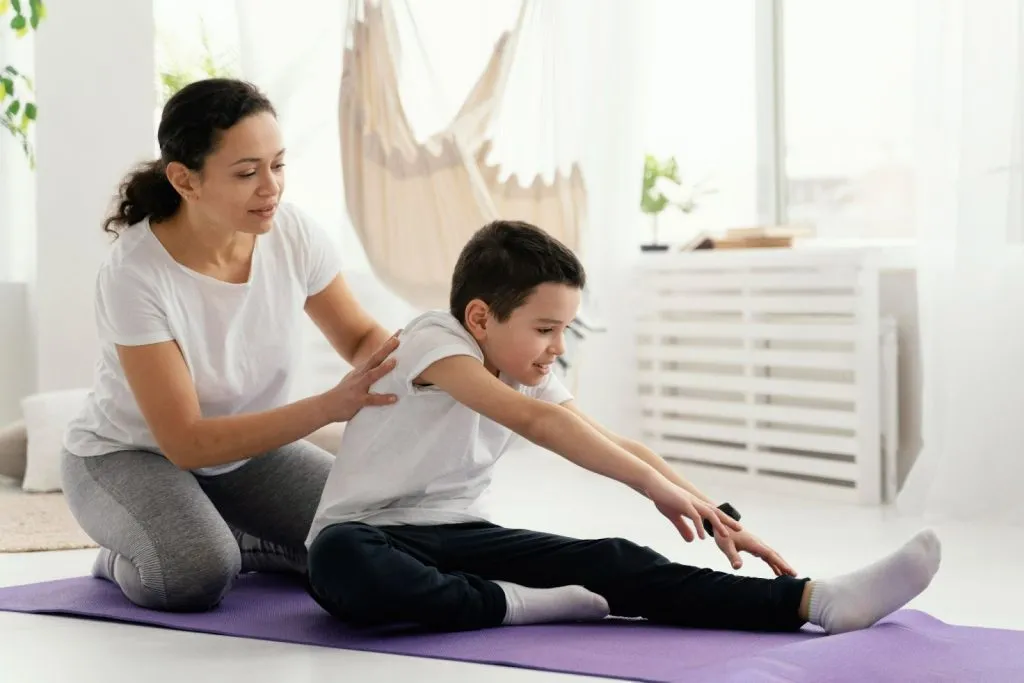
At Leaping Kids, led by physiotherapist Natasha Ardiles (B.Med.Sc., M.Phty), we deliver NDIS-funded, mobile, in-home and in-school sessions across Sydney. Our goal is to intervene early, tailor therapy to each child, and actively involve families in their child’s progress.
Key Signs Your Child Needs Physiotherapy
You won’t always see a clear “red flag” moment. But if you notice several of these signs, it’s worth exploring a professional assessment. Below are common indicators to watch for:
1. Delayed Milestones: Sitting, Crawling, Walking
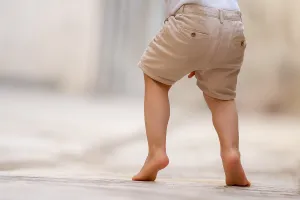
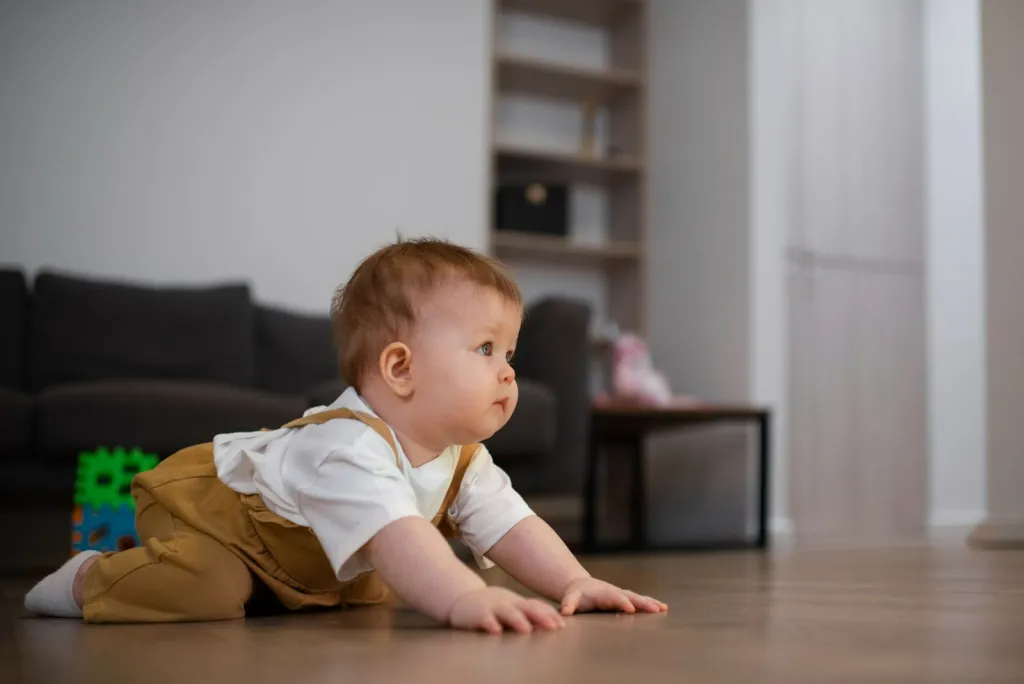
If your child is significantly behind expected milestones, such as not sitting by 9 months, not crawling by 12 months, or not walking by 18 months, it could be a signal that movement patterns are developing atypically.
While variation is expected (some children skip crawling), consistent delays across multiple domains warrant attention.
2. Frequent Tripping, Clumsiness, or Toe-Walking
Does your child trip often, seem unsteady, or walk on tiptoes regularly? These are common signs your child needs physiotherapy. Toe-walking beyond age 2 can be a sign of a habitual movement pattern or higher tone. Frequent falling may point to balance, coordination, or strength issues.
3. Poor Balance or Coordination
If your child struggles with balancing on one leg, climbing stairs, or catching and throwing a ball, these can be subtle but important clues. Difficulty with coordination is a key indicator that motor planning or neuromuscular processes might need support.
4. Low Tone or Unusual Stiffness
Some children appear “floppy” (low muscle tone) and struggle to maintain posture or alignment. Others seem rigid, stiff, or resistant to movement (high tone). Either extreme may interfere with fluid, functional movement.
5. Asymmetrical Movement or Favouring One Side
If your child consistently uses one arm or leg and avoids the other, or drags one side, that asymmetry may suggest underlying neurological or muscle weakness.
6. Pain or Discomfort During Movement
If your child complains of aches, resists walking, climbing, or playing, or limps, this is a clear signal to investigate. Pain is never “just part of growing up”.
7. Difficulty With Everyday Physical Activities
Problems with running, jumping, climbing, or transitions (e.g., getting up from the floor) often reflect deeper motor control issues. If your child avoids playgrounds, struggles with stairs, or can’t keep up with peers, these are valid signs that your child needs physiotherapy.
Taken together, these signs don’t mean something is necessarily “wrong.” But they do suggest that a professional assessment may identify areas where therapy can help your child thrive.
How a Paediatric Physiotherapist Assesses and Supports Children
Step 1: Assessment
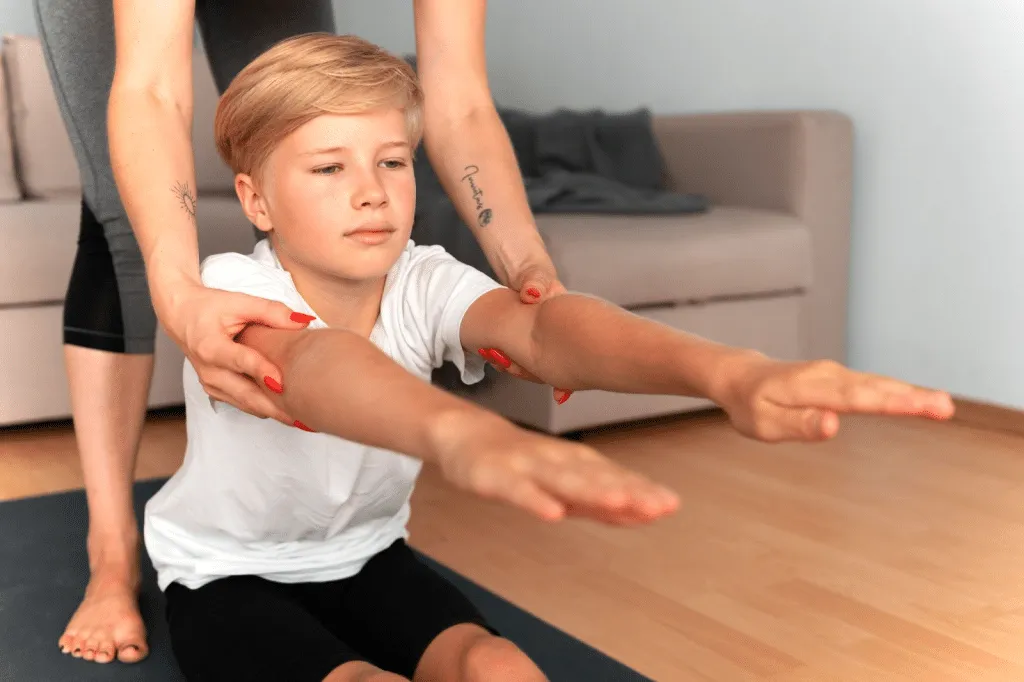
A paediatric physiotherapist begins by observing your child in natural play. We’ll look at posture, muscle tone, movement quality, balance and coordination. We also ask you, the parent, about your child’s developmental history, family concerns, and everyday challenges.
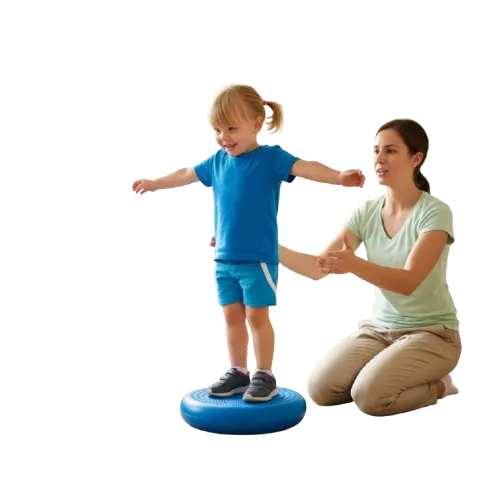
We may guide your child through simple tasks (e.g. balancing, hopping, reaching) in a playful way to see how they respond. The aim is to identify strengths, areas for improvement, and set priorities for therapy.
Step 2: Therapy Sessions
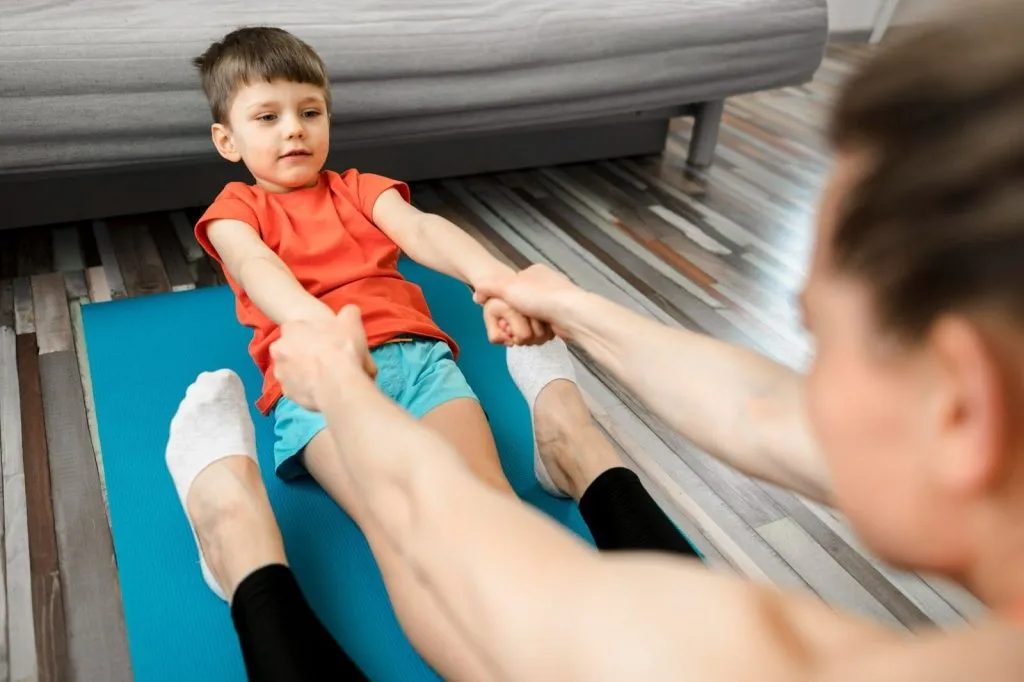
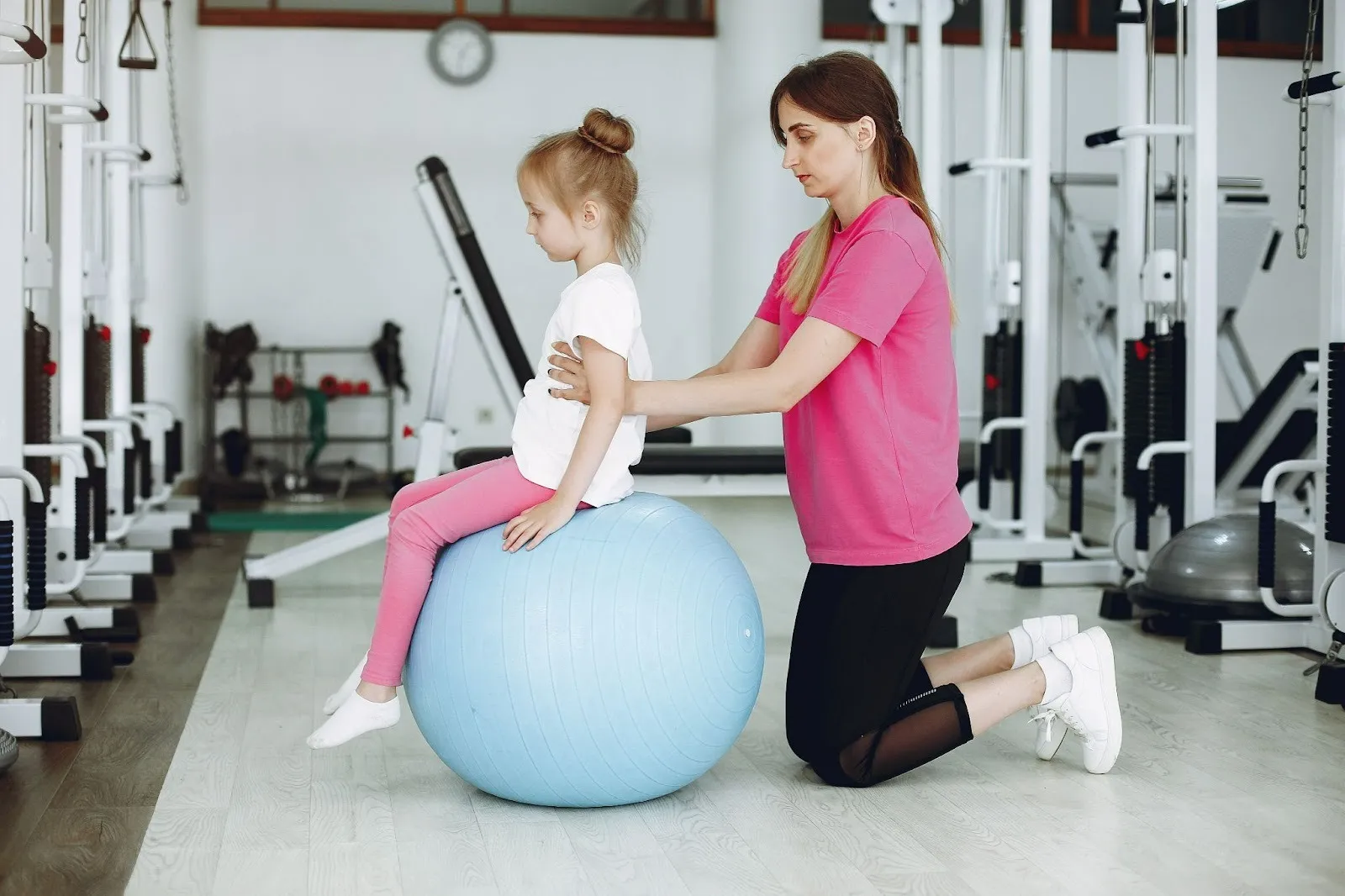
A session with Leaping Kids typically looks like a play-based, goal-driven hour of movement. Rather than standard exercises, your child engages in fun tasks, such as obstacle courses, balance games, crawling challenges, and strength play, that align with therapeutic goals.
We continually adapt as your child progresses, ensuring the session remains motivating. We also coach you, the parent or caregiver, to embed movement practice into daily life (at home, school, playground).
Core therapy may include:
- Strength training for weak muscles
- Activities to improve balance and coordination
- Motor planning and sequencing tasks
- Techniques to manage muscle tone or stiffness
- Functional training (up and down stairs, transitions, climbing)
Over time, these targeted interventions guide your child toward more efficient and confident movement, improving independence and participation.
Why Early Intervention Matters
Early intervention is critical. During childhood, the nervous system is highly adaptable (neuroplasticity). Addressing movement difficulties early often leads to better outcomes than waiting until problems intensify.
Research and practice show early therapy can improve motor skills, reduce compensatory patterns, and prevent secondary issues like joint strain or muscle imbalances. In short, intervening early can make movement feel more natural and less effortful.
Better motor skills support confidence and participation, whether on the playground, in physical education, or in daily tasks. For a child, being able to run, climb, or simply keep up with friends builds self-esteem, inclusion, and enjoyment of life.
Frequently Asked Questions
When should I see a paediatric physiotherapist?
If you notice a cluster of movement concerns, delayed walking, poor balance, frequent tripping, asymmetry, or pain, it’s appropriate to contact a paediatric physiotherapist. Early advice can rule out serious issues and help you decide the next steps.
What does a children’s physio do?
A children’s physio assesses movement, posture, tone, and coordination. We then design play-based, evidence-informed therapy to target areas of difficulty. Over time, we help build strength, motor planning, balance, and functional skills.
How do I know if my child’s motor development is delayed?
You can compare your child’s skills to developmental milestones, but remember, every child is different. If your child is consistently behind in crawling, walking, running, balancing, or coordination compared to peers, or shows regression or asymmetry, those are strong signs your child needs physiotherapy.
How does physiotherapy help with developmental delay?
Physiotherapy supports movement development by addressing underlying causes, such as weakness, tone imbalance, poor coordination, or planning difficulties. Through targeted, meaningful tasks, therapy helps children catch up, avoid compensations, and gain confidence to navigate daily life with less struggle.
Putting It All Together: When to Act
Recognising signs your child needs physiotherapy can be empowering. Instead of waiting and hoping, seeking clarity early can prevent issues from compounding.
If you’ve observed delayed motor milestones, frequent tripping or toe-walking, poor balance or coordination, asymmetry, pain, or difficulty in everyday physical tasks, these are meaningful cues. A professional assessment can uncover hidden challenges and guide supportive intervention.
The importance of tracking motor milestones is reinforced by the Australian Government’s Raising Children Network, which guides parents through expected developmental patterns and when to seek support via their child motor milestones resources.

Get a Developmental Assessment with Leaping Kids
If you live in Sydney and wonder does my child need physiotherapy, we’d welcome the opportunity to help. Leaping Kids offers NDIS-funded, mobile, in-home and in-school paediatric physiotherapy tailored to your child’s needs. Our holistic, family-centred approach is geared toward functional gains in real life.
Contact Leaping Kids today to book a developmental assessment and see whether your child would benefit from therapy. Let us partner with you to nurture movement, confidence, and independence.