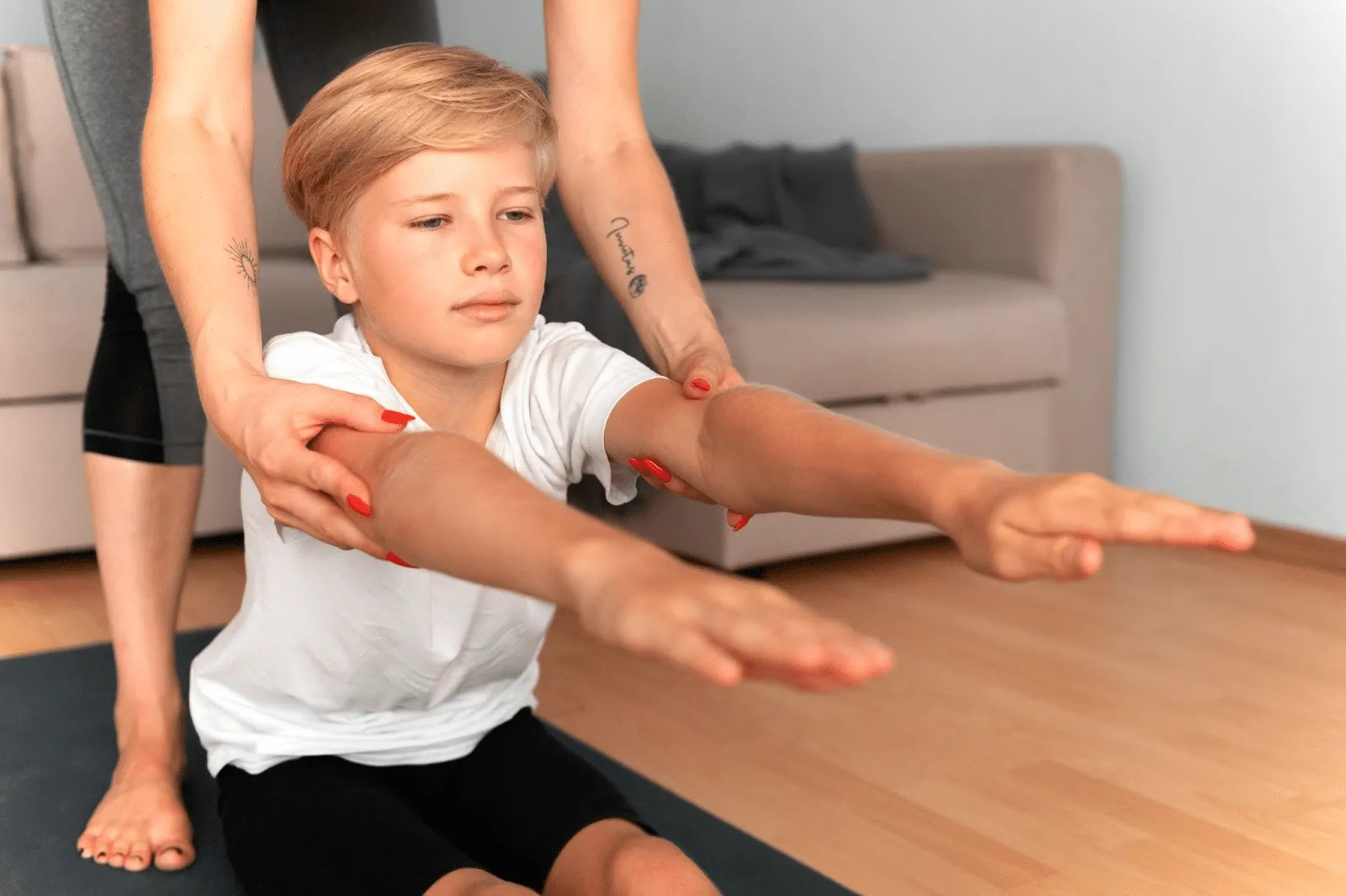
When a child struggles with coordination or balance, everyday activities like climbing at the playground, running with friends, or even walking safely can feel challenging. Parents often notice their child tripping, appearing clumsy, or avoiding physical play, and they wonder what can help. Movement therapy for coordination and balance is a specialised approach that supports children in developing these essential motor skills.
By combining evidence-based physiotherapy with play, this therapy strengthens the body, builds confidence, and improves participation in daily life.
What is Movement Therapy for Coordination and Balance?
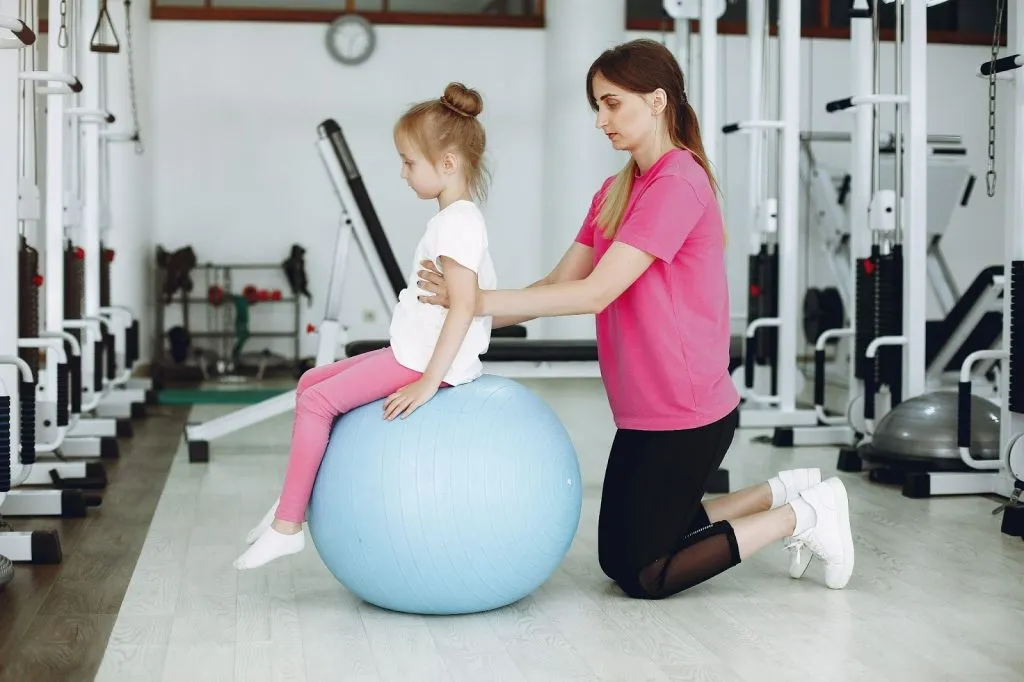
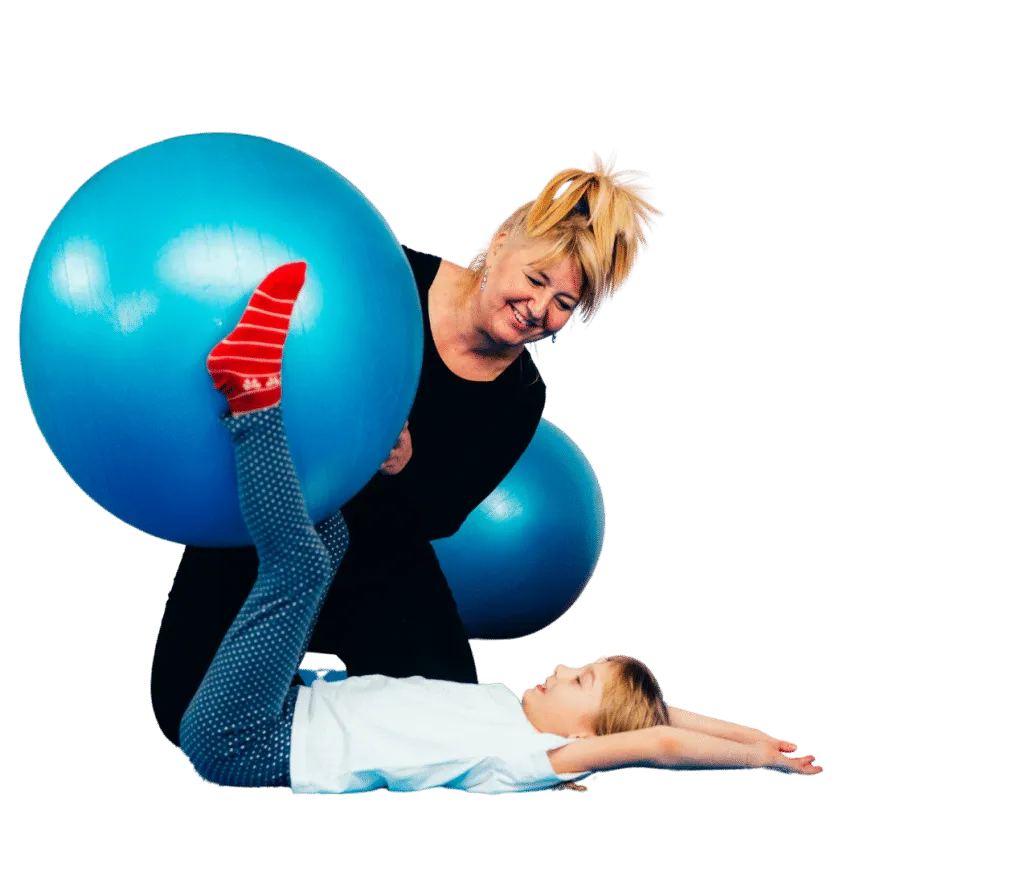
At its core, movement therapy for coordination and balance uses structured, play-based exercises to improve how children move and control their bodies. It focuses on the interaction between strength, stability, and sensory systems, helping children to manage both planned and spontaneous movements.
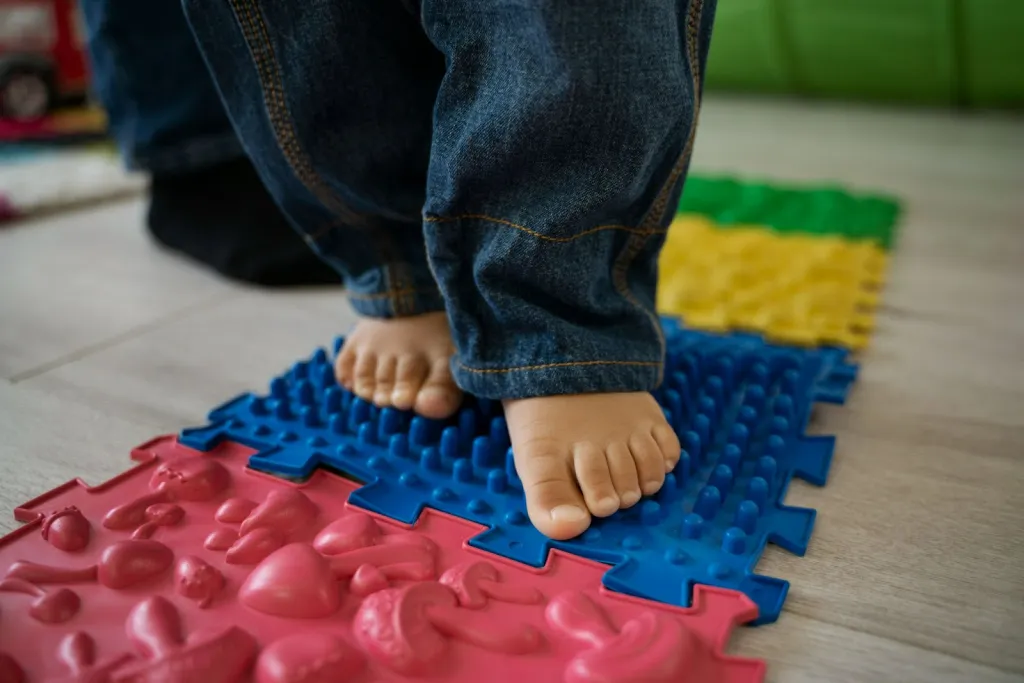
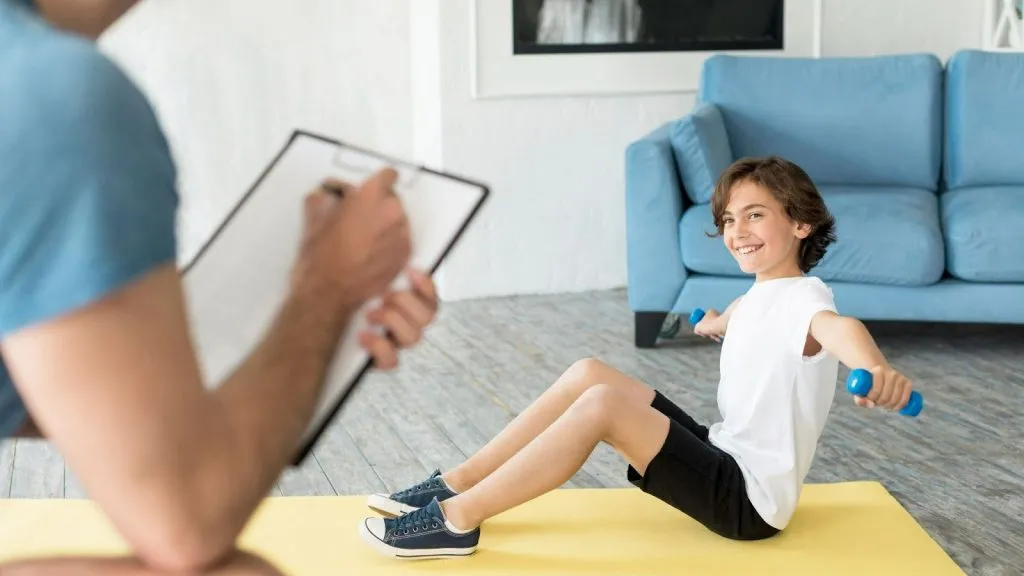
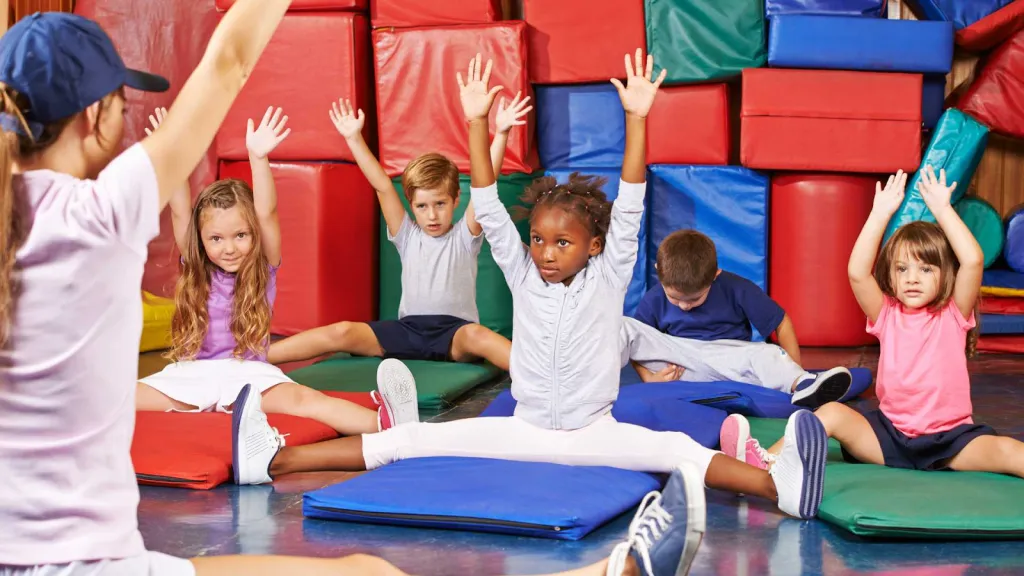
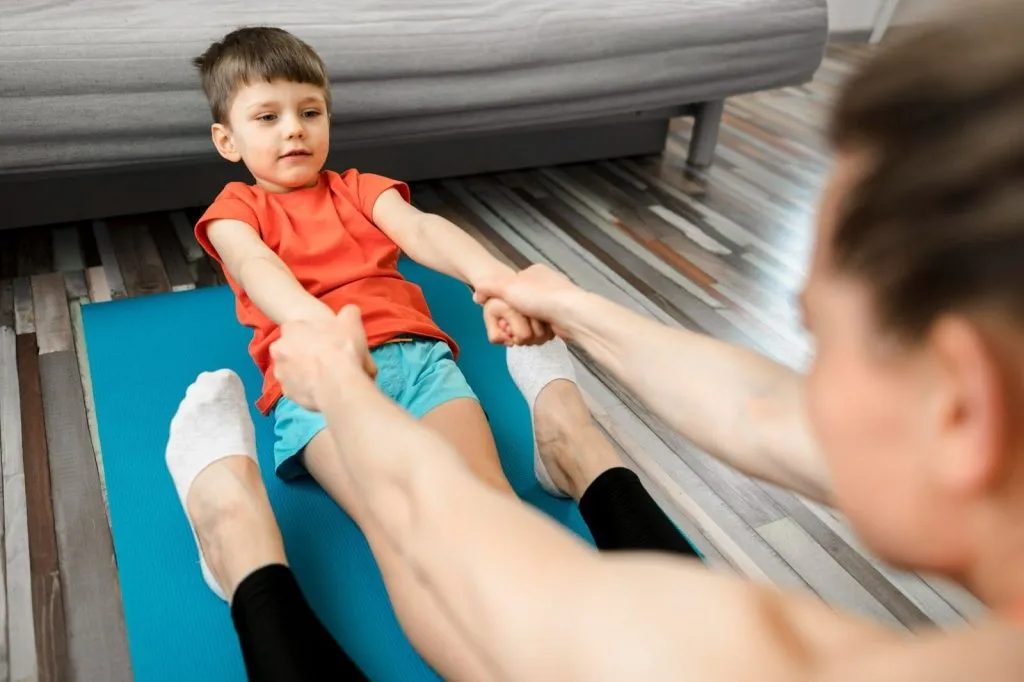
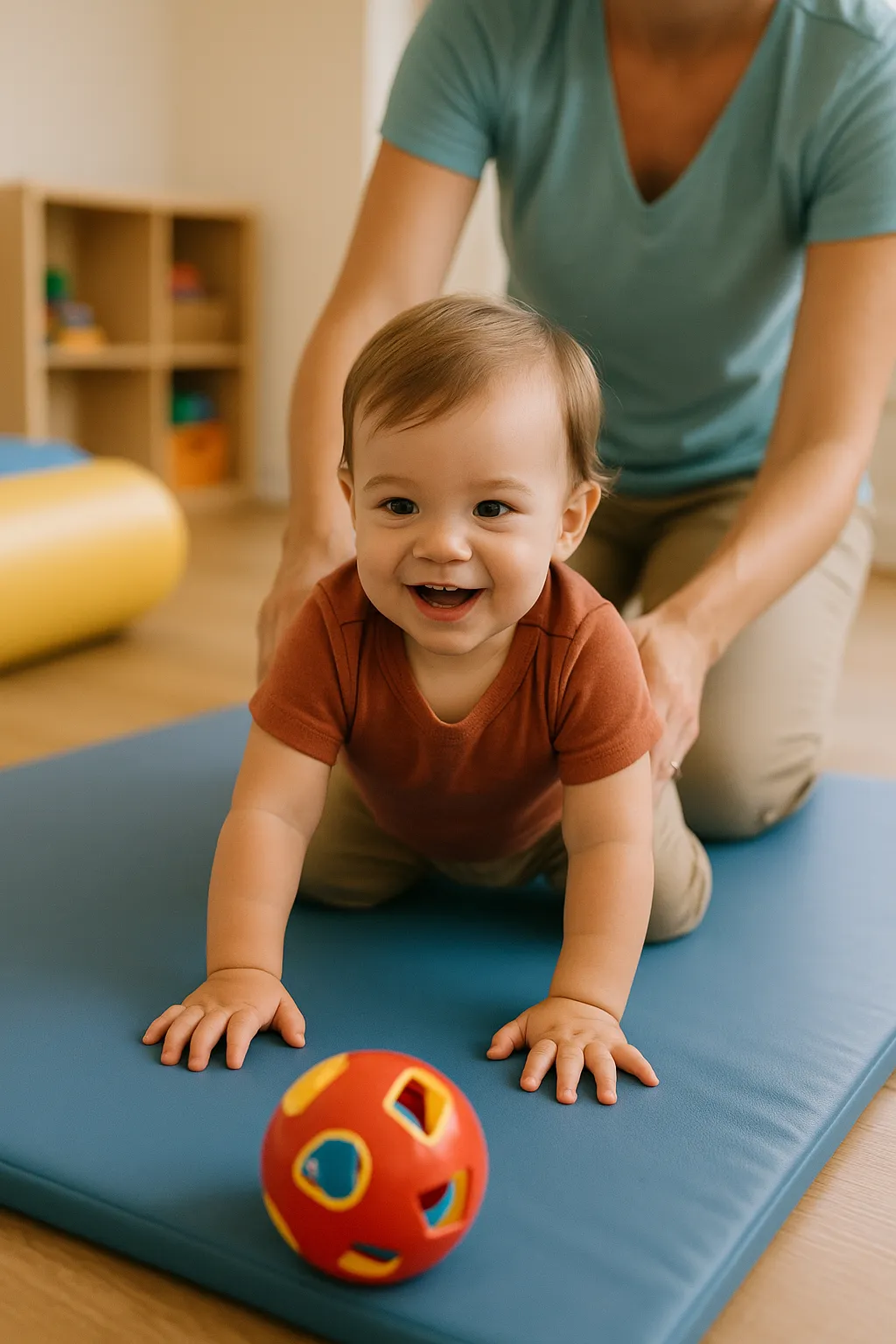
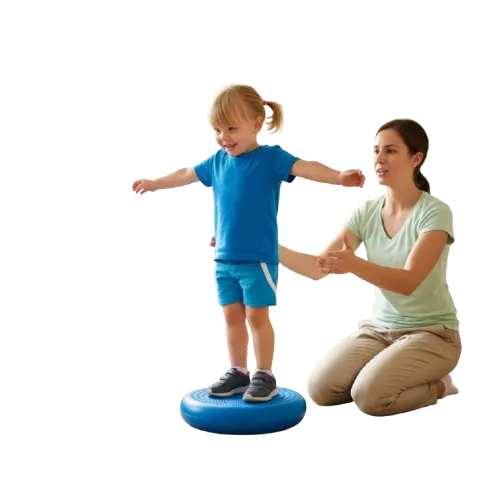
This therapy is delivered by trained professionals such as paediatric physiotherapists, who design personalised programs based on the child’s needs. Sessions can include fun, goal-oriented activities like hopping games, obstacle courses, or balance challenges that are carefully chosen to target specific developmental goals.
Why Coordination and Balance Matter in Childhood Development
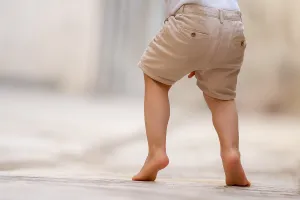
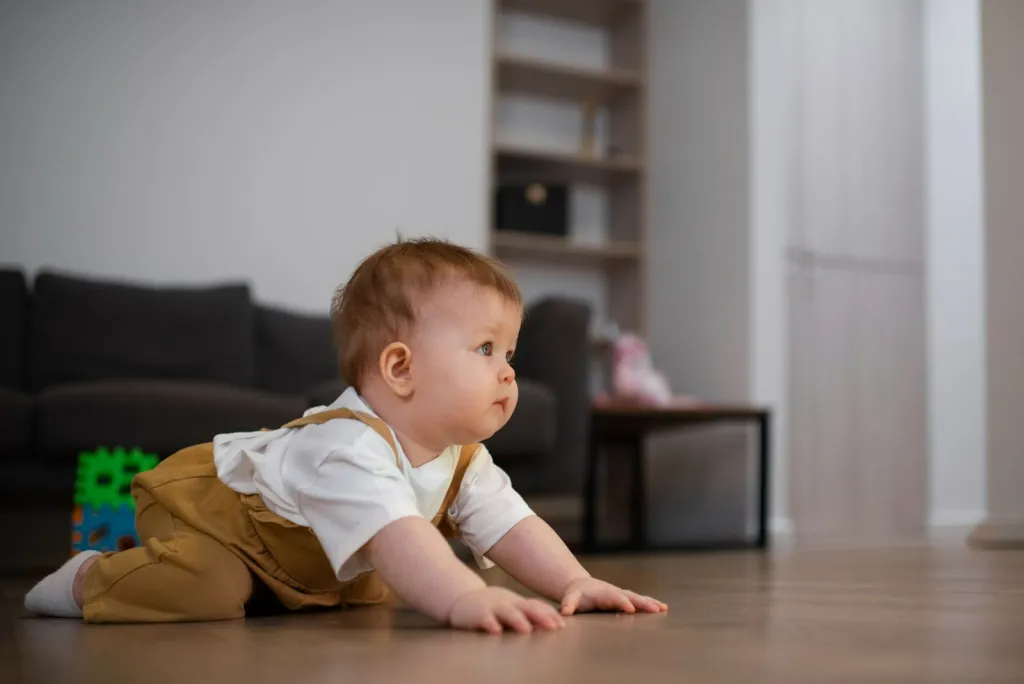
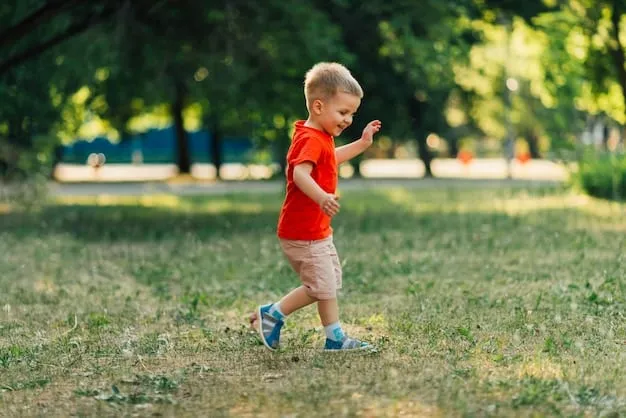
Strong coordination and balance are not just about sports or physical activity. They are essential for everyday skills that most children need to master as part of their growth. From standing on one foot to put on shoes, to climbing stairs or joining in a game of tag, these abilities underpin independence and confidence.
In fact, many of these are considered child development milestones, and delays can impact social participation, school readiness, and self-esteem. According to the Australian Government Department of Health – Child Development, developing an active lifestyle play a critical role in a child’s ability to learn, play, and interact with the world.
When children find these skills difficult, early support through movement therapy for coordination and balance can make a lasting difference.
How Movement Therapy Supports Children with Motor Challenges
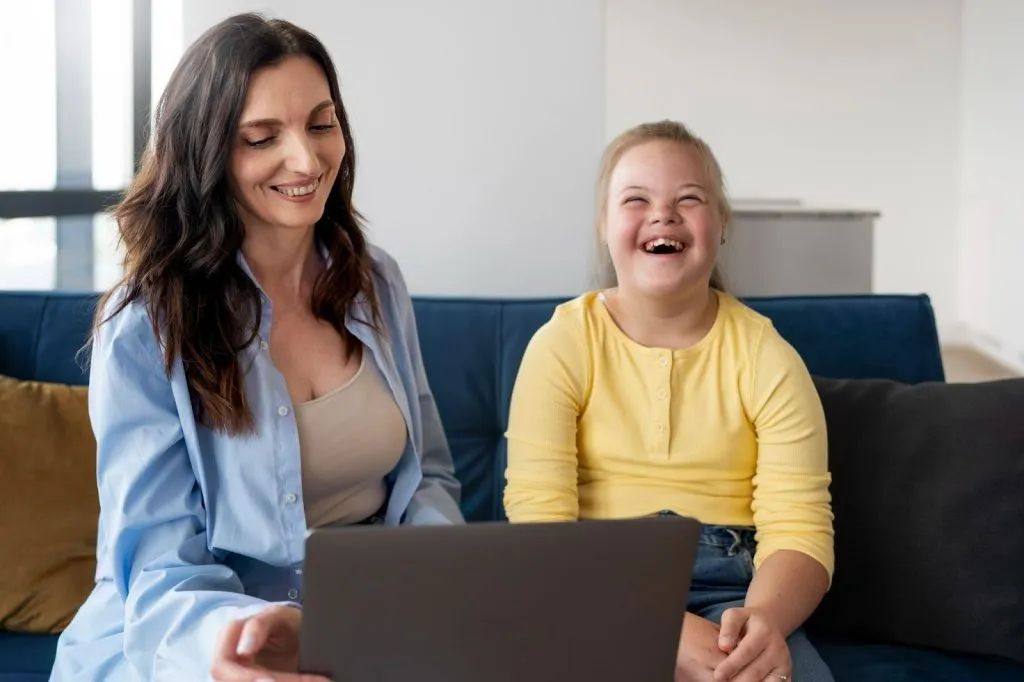
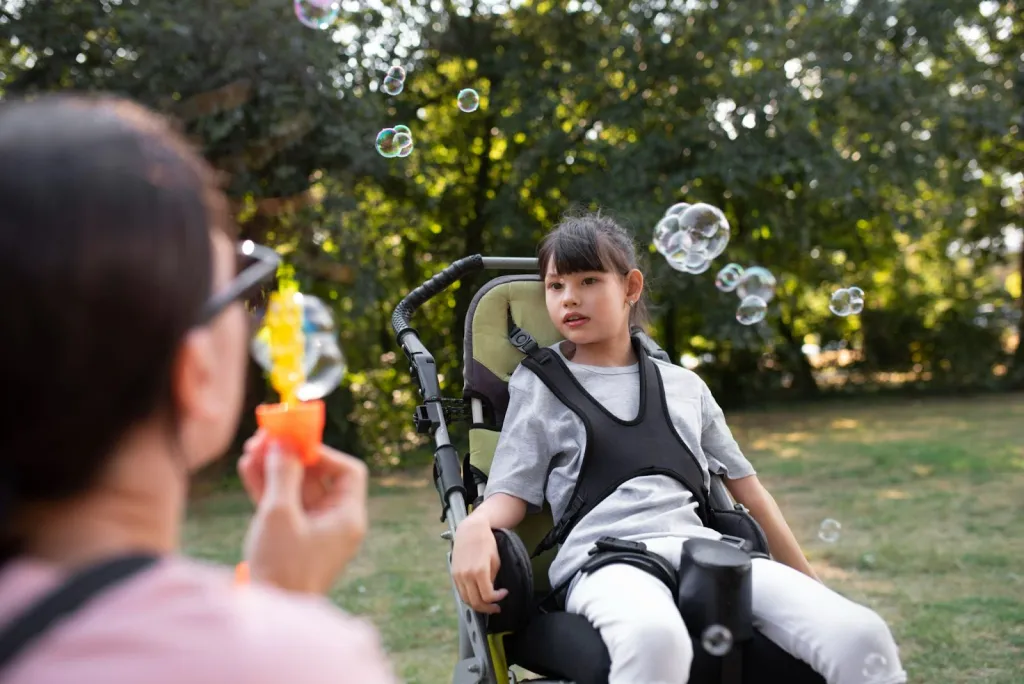
Children may struggle with coordination and balance for different reasons. Some may have developmental delays, while others may live with neurological conditions such as cerebral palsy, autism spectrum disorder, or rare genetic syndromes. In some cases, children might not have a diagnosis but still show difficulties with clumsiness, frequent falls, or avoiding active play.
Movement therapy for coordination and balance provides a safe, structured way to help these children build the strength and control they need. By tailoring therapy to each child’s abilities, therapists can:
- Strengthen core muscles to improve posture and stability
- Develop smoother, more coordinated movements
- Enhance sensory integration (how the brain and body work together to process movement)
- Encourage participation in play and community activities
At Leaping Kids, therapy sessions are delivered in environments where children feel most comfortable, such as their home, school, or community setting. This ensures skills are developed where they matter most in daily life.
The Science Behind Movement Therapy
The effectiveness of movement therapy for coordination and balance lies in its foundation of developmental science and physiotherapy research. Coordination requires communication between the brain, muscles, and sensory systems. Balance depends on input from the vestibular system (inner ear), vision, and proprioception (awareness of body position).
When these systems are not working smoothly together, children may appear unsteady or have difficulty learning new movements. Targeted exercises can retrain these systems to function more effectively. For example:
- Strength exercises build muscle control and endurance
- Balance activities challenge the vestibular system
- Repetitive, play-based movements reinforce motor learning pathways in the brain
This science-driven approach ensures therapy is not only fun but also purposeful.
Practical Ways Parents Can Support at Home: How to Improve Child’s Coordination
Parents often ask how to improve child’s coordination outside of therapy sessions. While professional support is essential, simple play-based activities at home can make a big difference. Here are some practical strategies:
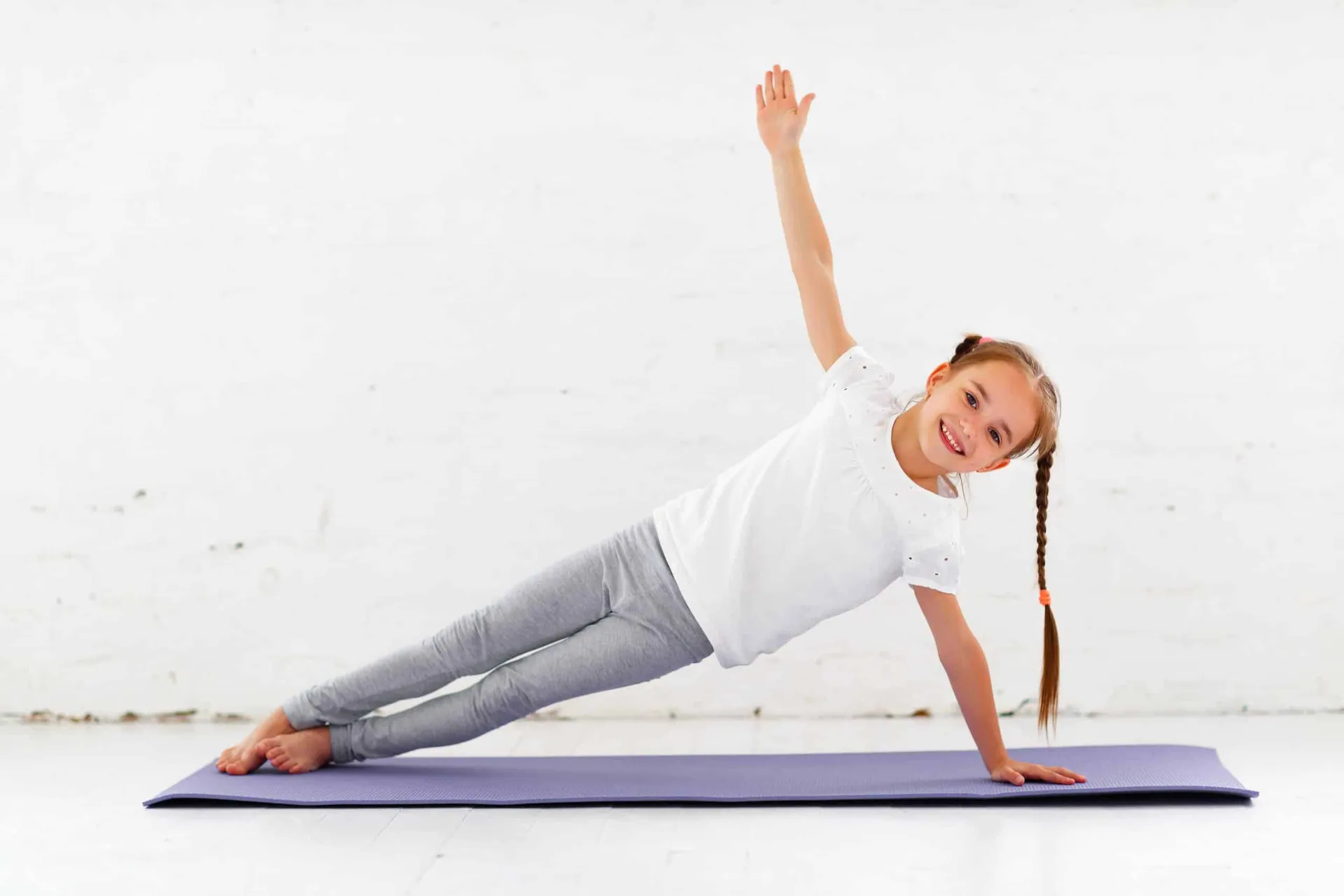
- Balance games: Encourage your child to stand on one leg, walk along a line, or balance on a cushion.
- Obstacle courses: Use household items to create a safe course involving crawling, climbing, and jumping.
- Hopping and skipping: Classic playground activities strengthen coordination and rhythm.
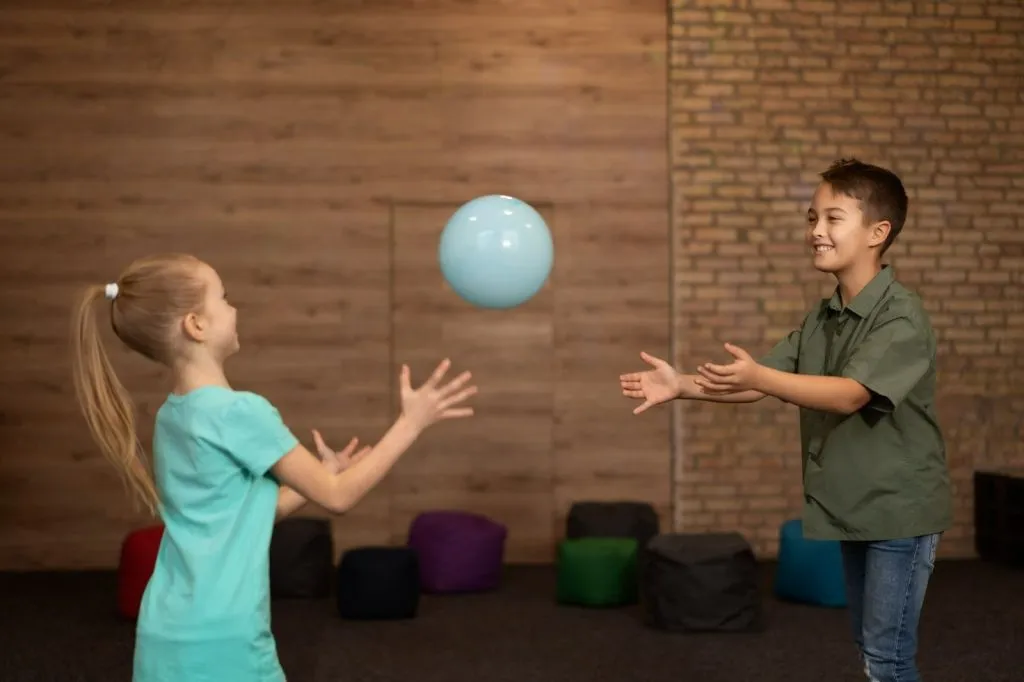
- Ball games: Throwing, catching, or kicking develops hand-eye and foot-eye coordination.
- Dancing and movement to music: Rhythm-based activities enhance timing, sequencing, and balance.
When combined with movement therapy for coordination and balance, these activities reinforce progress and help children apply their new skills in everyday life.
Why Choose Leaping Kids for Movement Therapy for Coordination and Balance
Leaping Kids specialises in delivering movement therapy for coordination and balance that is evidence-based, family-centred, and tailored to each child’s unique goals. Under the guidance of Natasha Ardiles (B.Med.Sc., M.Phty), sessions are designed to be engaging, motivating, and achievable.
What sets Leaping Kids apart?
- Personalised programs: Every therapy plan is shaped around the child’s strengths, challenges, and environment.
- Play-centred therapy: Activities are designed to be enjoyable, ensuring children stay motivated.
- NDIS-funded support: Families can access therapy through their NDIS plans, reducing financial barriers.
- Mobile service: Sessions are delivered at home, school, or in the community, making therapy practical and convenient.
- Family involvement: Parents and caregivers are active partners in therapy, learning strategies they can use every day.
This holistic, goal-focused approach ensures children don’t just build physical skills, but also confidence and independence.
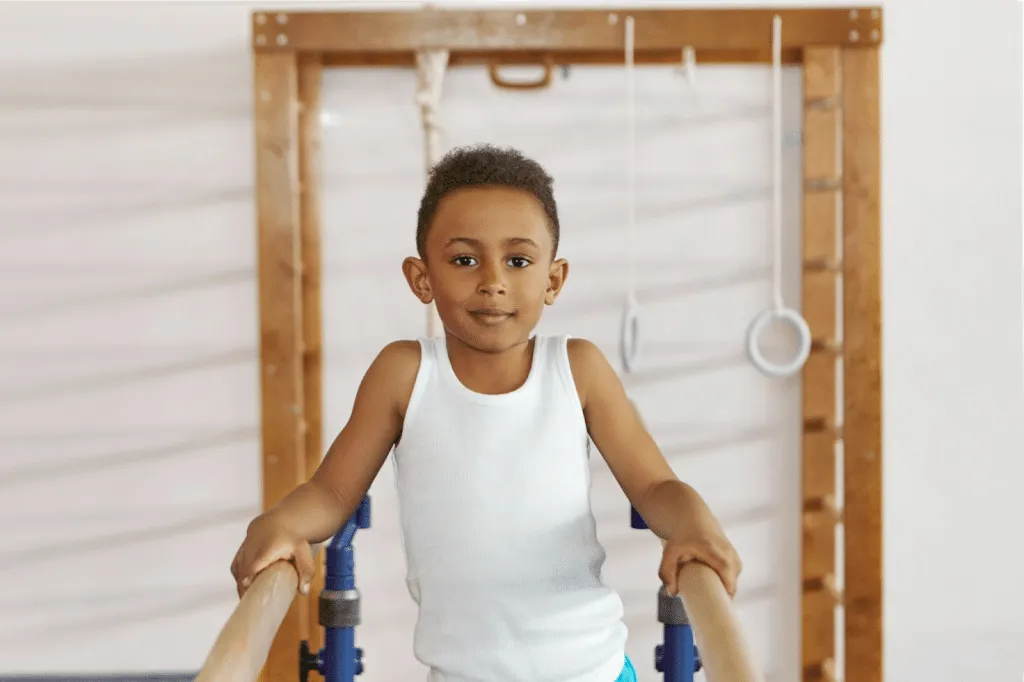
Movement therapy for coordination and balance gives children the tools they need to move with greater ease, confidence, and joy. By targeting the underlying systems that control movement it helps children achieve milestones, join in play, and participate fully in daily life.
Parents wondering how to improve child’s coordination will find that a combination of professional therapy and simple play-based activities at home can make a powerful difference. With early intervention, family involvement, and tailored support, children can unlock their potential and thrive.
At Leaping Kids, our specialised team is committed to guiding families through this journey, ensuring every child has the opportunity to build independence and confidence in the environments where they live, learn, and play.